Four Russian Shahed drones detected transiting over Odesa Oblast in coordinated attack
What happened
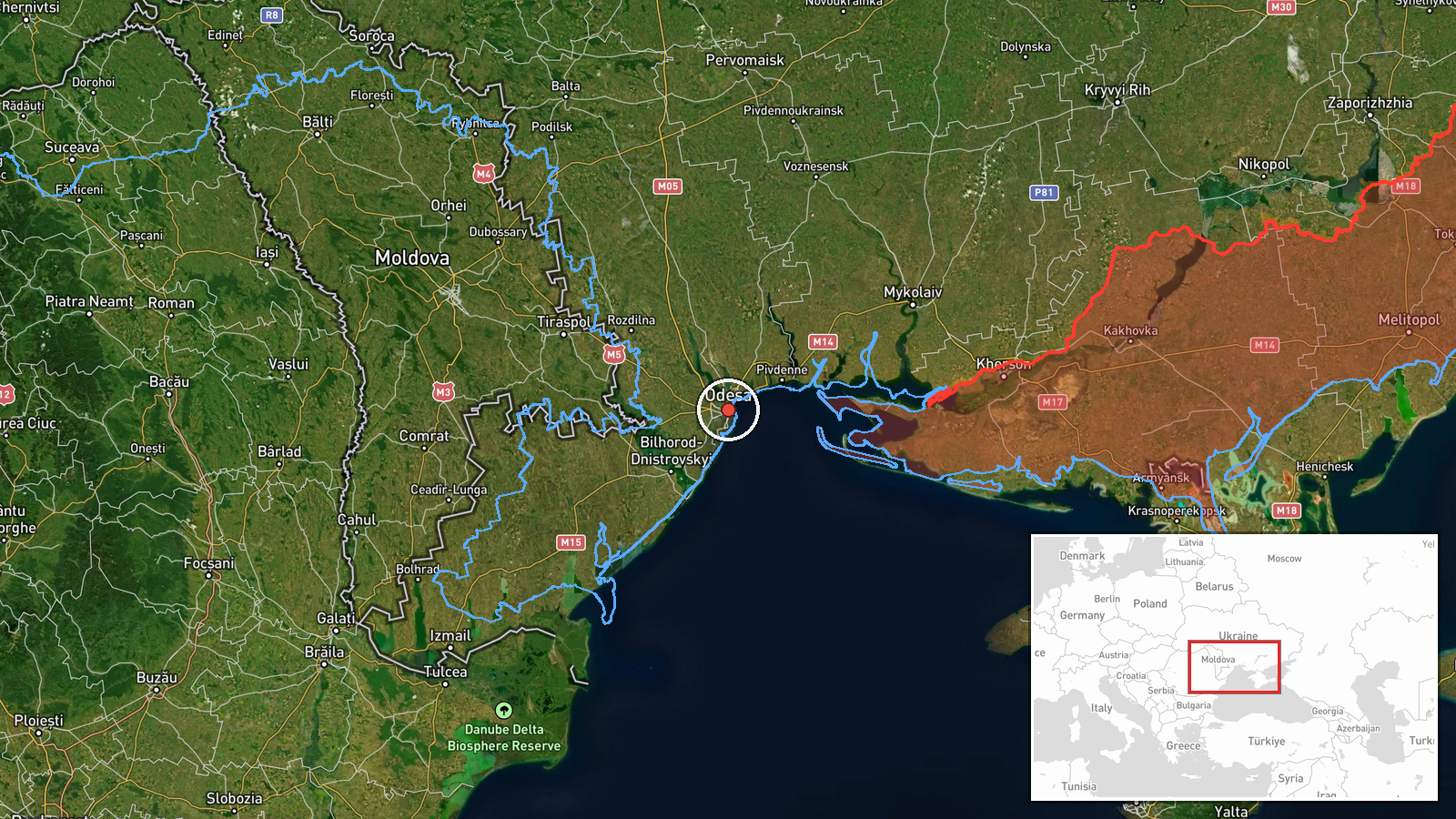
Ukrainian air monitoring detected four Russian Shahed-136 jet-powered kamikaze drones in transit over Odesa Oblast on 29 September at 04:32 UTC. According to the monitoring channel, one drone was directed toward Odesa city, one transited near Dobroslav, one headed toward the Zatoka/Buhaz estuary area, and one targeted Berezivskyi District. The multiple approach vectors suggest a coordinated massed drone operation rather than isolated incidents.
Context and assessment
This attack represents an intensification of Russian strikes on Odesa Oblast, which has faced sustained pressure from multiple weapon systems over the past 36 hours. A cruise missile was detected en route to the region on 28 September, followed by ballistic strikes toward Bilhorod-Dnistrovskyi on 29 September morning, and isolated drone transits over Artsyz earlier on 29 September. The coordinated four-drone salvo indicates Russia may be attempting to overwhelm air defenses or target multiple objectives simultaneously—possibly infrastructure, port facilities, or military positions. Odesa's strategic importance as Ukraine's primary maritime outlet makes it a recurring target.
Sources and confidence
Reported by Telegram channel @war_monitor via Ukrainian air monitoring services. Single source reporting limits independent cross-confirmation; confidence score of 6.0 reflects credibility of the monitoring channel but absence of corroborating reports. Confirmation of actual impacts or interceptions would strengthen confidence; conflicting reports from other monitors or Russian claims would lower it.
Location
Odesa Oblast, southern Ukraine, along the Black Sea coast. The reported drone transits covered multiple vectors: Odesa city (regional administrative center), Dobroslav (northern sector), Zatoka/Buhaz estuary (coastal zone near Danube mouth), and Berezivskyi District (inland southeast). Precision remains regional due to drone transit reporting rather than impact sites.
Related events nearby
- Russian UMPC-5 (universal modular planning complex) ballistic missile or guided projectile detected in flight 2026-09-29 01:58 UTC · Ballistic Missile · Bilhorod-Dnistrovskyi, Odesa Oblast, Ukraine
- Ukrainian air monitoring detected 1x Russian Shahed-136 jet-powered reactive kamikaze drone transiting over Ar2026-09-29 00:24 UTC · Drone Transit · Artsyz, Odesa Oblast, Ukraine
▶ View this event on the live map
Intel Mapper aggregates open-source reports from monitored Telegram and X channels, geolocates them, cross-checks duplicates across sources and assigns a confidence score. Entries are updated as new confirmations arrive. Read how we verify events.