Two Shahed drones detected transiting toward Kyiv from Slavutych sector
What happened
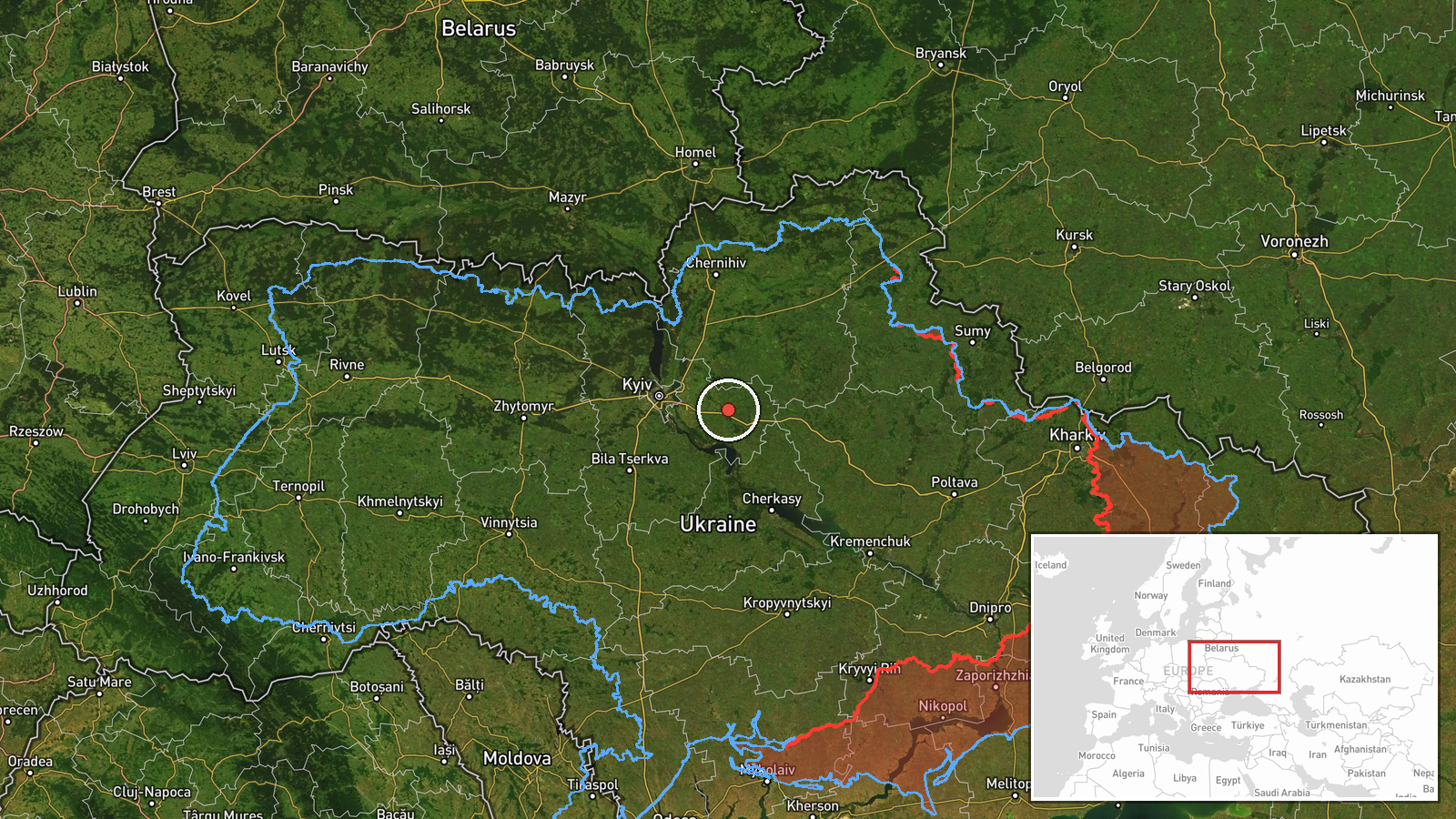
Ukrainian air monitoring detected two Russian Shahed-136 jet-powered kamikaze drones transiting over the Slavutych sector in Kyiv Oblast on 29 September at 07:27 UTC, reportedly heading in the direction of Kyiv. The drones were identified as part of Russia's ongoing drone campaign against the capital region. No strikes were reported at the moment of detection.
Context and assessment
Slavutych lies approximately 50 kilometers northeast of central Kyiv and represents a northern approach corridor for Russian drone operations targeting the capital. This transit detection follows a pattern of repeated Shahed incursions documented over the previous day, including confirmed strikes on the Incom building (Datagroup infrastructure) on 25 September, a McDonald's warehouse in Brovary on 28 September, and impacts in Berkivtsi district. The consistent flow of drones through Kyiv Oblast sectors suggests Russia is sustaining systematic attempts to strike critical infrastructure and logistics facilities. Shahed-136s, with their 2,000+ kilometer range and loitering capability, enable deep penetration into Ukrainian airspace despite active air defenses.
Sources and confidence
Single source: Telegram channel @war_monitor. Detection is based on Ukrainian air monitoring reports rather than post-strike damage assessment or visual confirmation. Confidence score of 6.0 reflects single-source reporting and regional (rather than point) location precision. Confirmation by additional air monitoring channels or Ukrainian official statements would strengthen confidence; visual evidence of drone debris or strike impact would elevate assessment.
Location
Slavutych, located at approximately 50.33°N, 31.46°E in Kyiv Oblast, sits roughly 50 km north-northeast of Kyiv city center in Ukraine's northern region. The settlement lies near the boundary of the Chornobyl Exclusion Zone. Geographic precision is regional rather than pinpoint, reflecting air monitoring detection rather than ground-level targeting data.
Related events nearby
- Russian Shahed-136 reactive UAV struck Berkivtsi district, Kyiv, approximately 3 km from city center. Single k2026-09-28 11:02 UTC · UAS Strike · Berkivtsi, Kyiv Oblast, Ukraine
- Ukrainian air monitoring detected one Russian Shahed-136 reactive (jet-powered) kamikaze drone transiting over2026-09-28 16:37 UTC · Drone Transit · Vorosilenka, Kyiv, Ukraine
- Ukrainian air monitoring detected multiple Russian Shahed-136 jet-powered reactive kamikaze drones transiting 2026-09-28 18:25 UTC · Drone Transit · Obukhiv and Boiarka sectors, Kyiv Oblast, Ukraine
- Russian forces conducted massed drone attack on night of 28–29 September 2026: 100+ Shahed-136 reactive (jet-p2026-09-29 05:52 UTC · UAS Strike · Kyiv, Kyiv City, Ukraine
- Ukrainian air defenses intercepted 109 Russian targets in overnight attack of Sept 28-29: 1 Zircon/Onyx cruise2026-09-29 05:26 UTC · Air Defense · Kyiv, Kyiv City, Ukraine
▶ View this event on the live map
Intel Mapper aggregates open-source reports from monitored Telegram and X channels, geolocates them, cross-checks duplicates across sources and assigns a confidence score. Entries are updated as new confirmations arrive. Read how we verify events.