Russian Shahed-136 drone transits over Kharkiv Oblast; no impact recorded
What happened
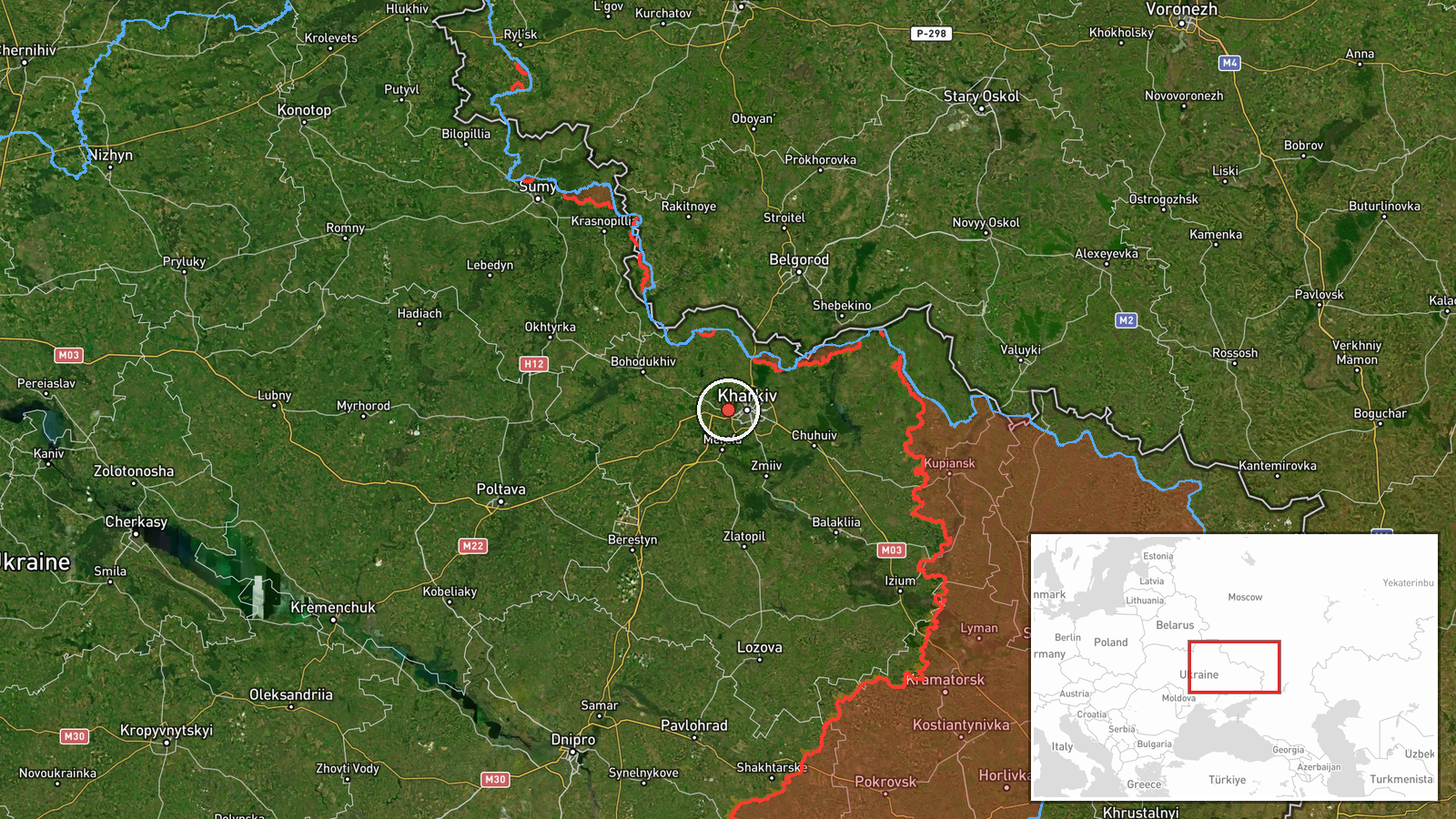
Ukrainian air monitoring detected a Russian Shahed-136 loitering drone passing over Lisovyy district in Kharkiv Oblast on 30 September at 05:45 UTC. The drone was tracked at 3.6 kilometre precision with no reported impact or interception. The sighting was confirmed by the Telegram channel @war_monitor, which monitors Ukrainian air defences and hostile aircraft activity in real time.
Context and assessment
Lisovyy lies within the Kharkiv Massif, an area subject to sustained Russian drone reconnaissance and attack operations. The transit follows ongoing Russian artillery activity in the Kharkiv direction recorded the previous day, suggesting continued pressure on Ukrainian positions in the eastern region. Shahed-136 drones are primarily used for reconnaissance, harassment, and strike missions; their presence may indicate Russian planning for follow-on operations or simply routine surveillance. The absence of reported interception or detonation suggests either successful evasion by air defences or that the drone was in transit rather than tasked against a specific target.
Sources and confidence
Single source: Telegram channel @war_monitor, a dedicated open-source monitor of Ukrainian air defence and Russian drone activity. Confidence score of 6.0 reflects the single-source confirmation and absence of cross-corroboration from Ukrainian official military channels. Confirmation by additional independent sources or Ukrainian air force statements would increase confidence; lack of follow-up reporting on broader drone activity that day may indicate lower operational significance.
Location
Lisovyy settlement, Kharkiv Oblast, located at 49.995°N, 36.101°E in the Kharkiv Massif region of eastern Ukraine. The area sits approximately 40 kilometres south-southwest of Kharkiv city and within the broader zone of active ground operations along the eastern frontline. Precision assessed at settlement level based on Ukrainian monitoring reports.
Related events nearby
- Captured Russian soldier attempted knife attack on Ukrainian captor during withdrawal but was neutralized. Pri2026-09-29 22:00 UTC · Security · Frontline, Eastern Ukraine
- Russian forces shelled Ukrainian military positions in the Kharkiv direction. No casualty figures or specific 2026-09-29 15:46 UTC · Artillery · Kharkiv Oblast, Ukraine
▶ View this event on the live map
Intel Mapper aggregates open-source reports from monitored Telegram and X channels, geolocates them, cross-checks duplicates across sources and assigns a confidence score. Entries are updated as new confirmations arrive. Read how we verify events.