Air Defense Alert Active Over Kyiv Oblast as Russian Shahed Drones Detected
What happened
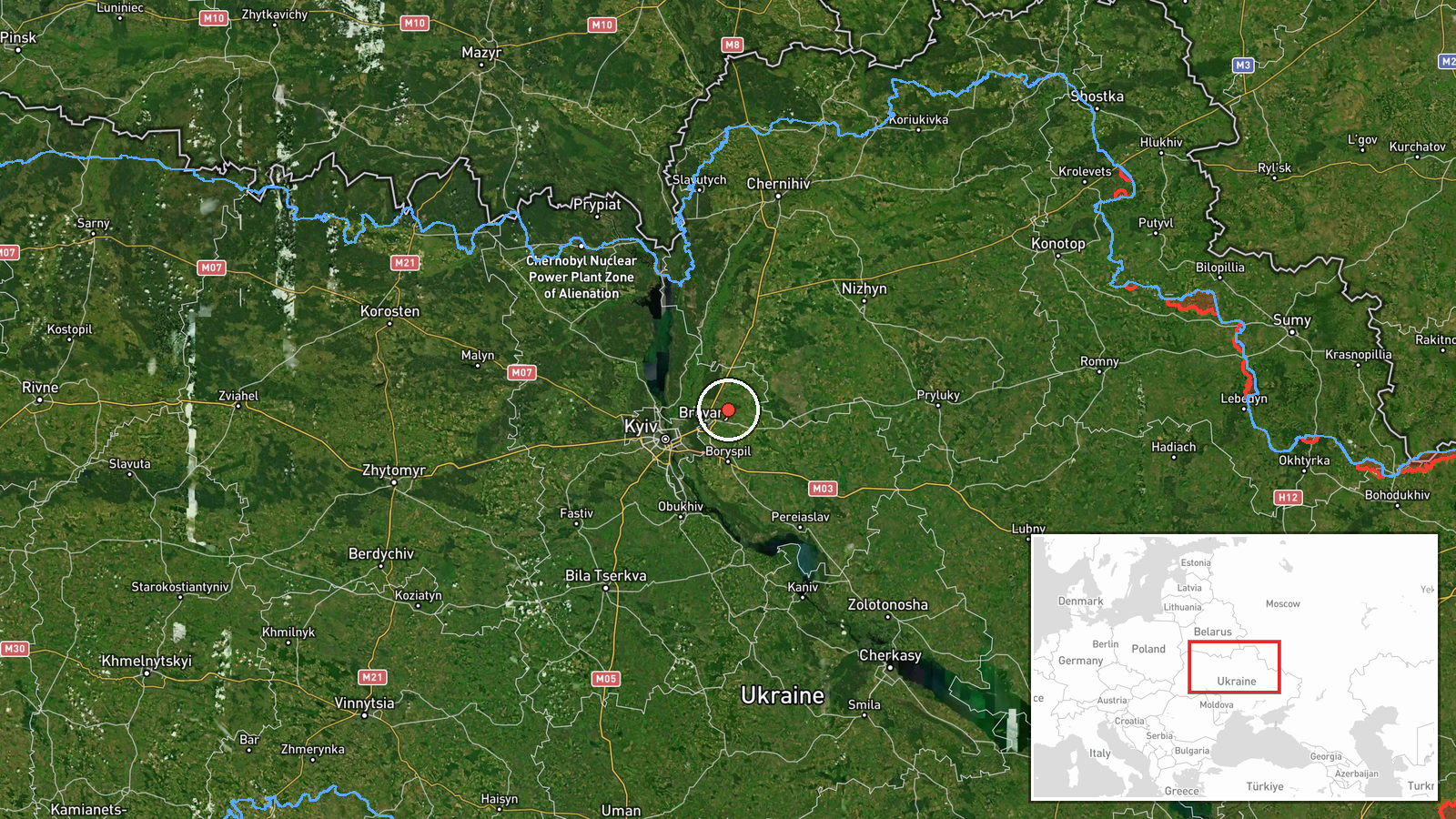
Ukrainian air reconnaissance reported active air defense readiness across Kyiv Oblast on October 1 at 15:34 UTC following detection of Russian Shahed-136 kamikaze drones in transit through the region. An air raid alert was activated in response to the drone detections. The report, issued via Telegram, indicates ongoing air defense monitoring rather than a completed engagement, with Ukrainian forces maintaining heightened alert posture.
Context and assessment
The alert fits a pattern of sustained Russian drone operations against Kyiv Oblast. Earlier on October 1, Ukrainian air defense destroyed or suppressed 87 Russian Shahed and related drones in an overnight campaign, and a single Shahed was intercepted by an F-16 fighter over Kyiv city. The transit detection suggests Russia continued pressure with follow-on drone waves through the afternoon. Shahed-136 drones, reportedly of Iranian origin, have become a primary Russian standoff weapon for strikes on civilian and military targets in Ukrainian-held territory. Repeated daily attacks indicate Russia's intent to degrade Ukrainian air defense stocks and disrupt civilian life.
Sources and confidence
Single Telegram channel (@war_monitor) reported the alert. No cross-confirmation from independent sources or official Ukrainian statements visible in provided data. Confidence score of 6.0 reflects a single source with plausible channel credibility but lack of corroboration. Score would increase with official SES (State Emergency Service) or military confirmation; would decrease if subsequent reporting contradicts the detection.
Location
Kyiv Oblast, the region surrounding Ukraine's capital. The earlier related event pinpointed Lukyyanivka sector within Kyiv city itself. Regional-level precision indicates detection of drone transit across the oblast rather than a specific target. The oblast is a primary Russian target due to proximity to the capital and concentration of military, infrastructure, and administrative facilities.
Related events nearby
- Two Russian Shahed-136 reactive (jet-engine) kamikaze drones detected transiting from Khaharlyky toward Kyiv c2026-10-01 16:43 UTC · Drone Transit · Kyiv Oblast, Ukraine
- Russian Shahed-136 reactive (jet-engine) kamikaze drone detected in transit over Lukyyanivka sector, Kyiv. Sin2026-10-01 15:28 UTC · Drone Transit · Lukyyanivka, Kyiv, Ukraine
- Ukrainian F-16 fighter intercepted and destroyed Russian Geran-4 (Shahed variant) suicide drone with air-to-ai2026-10-01 05:29 UTC · Drone Shootdown · Kyiv, Kyiv Oblast, Ukraine
- Ukrainian air defense shot down or suppressed 87 Russian Shahed, Gerbera, and decoy drones in overnight attack2026-10-01 05:06 UTC · Air Defense · Kyiv, Kyiv Oblast, Ukraine
- Air raid sirens activated across Kyiv and Kyiv Oblast. All-clear signal issued ('дорозвідка до відбою') follow2026-10-01 00:01 UTC · Siren · Kyiv, Kyiv Oblast, Ukraine
▶ View this event on the live map
Intel Mapper aggregates open-source reports from monitored Telegram and X channels, geolocates them, cross-checks duplicates across sources and assigns a confidence score. Entries are updated as new confirmations arrive. Read how we verify events.