Russian Shahed-136 drone transits Boyarka area during Kyiv Oblast overnight raid
What happened
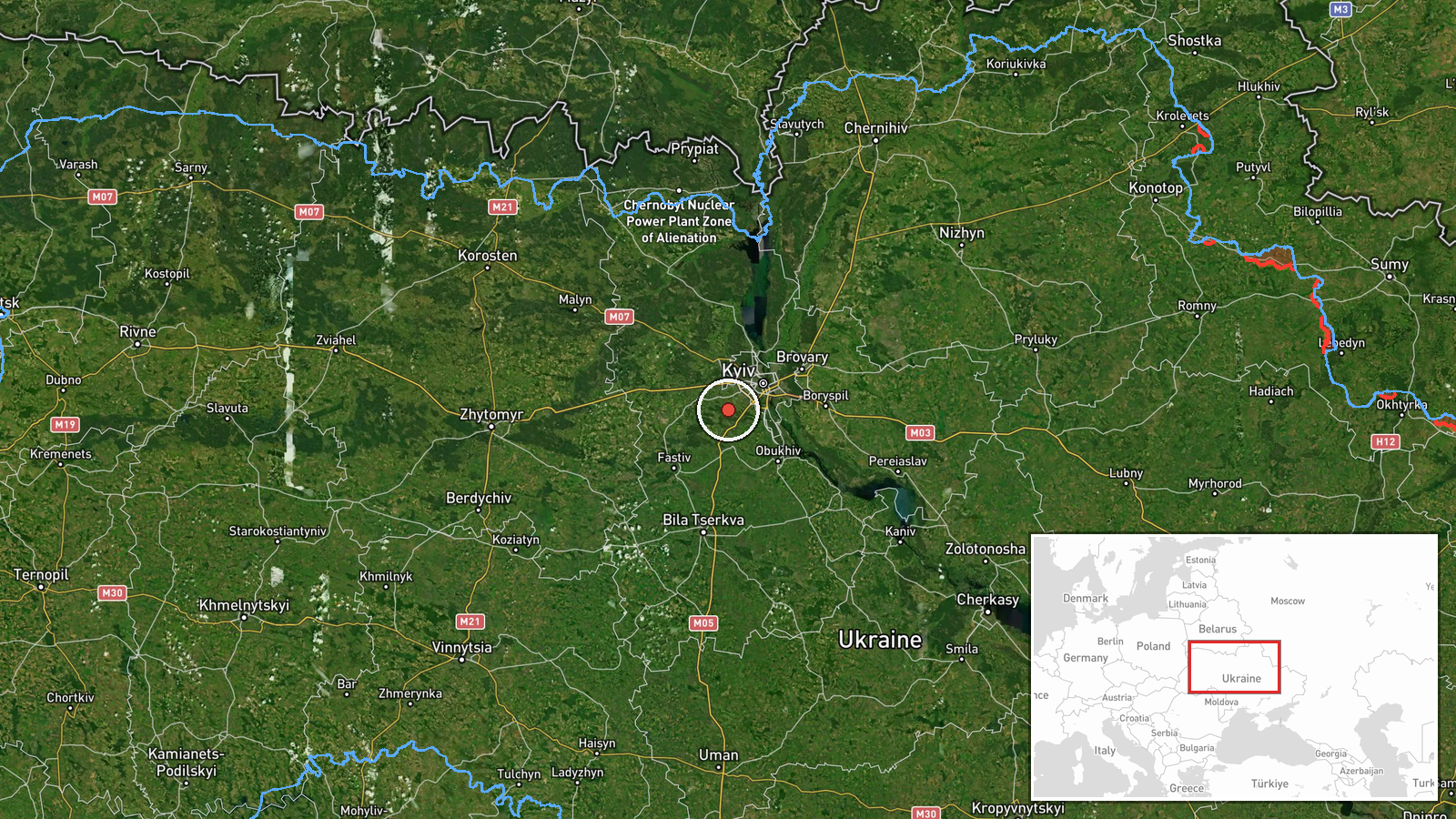
A single Russian reactive Shahed-136 drone was detected transiting the Boyarka and Vasylkiv area of Kyiv Oblast during an overnight air raid on October 4, according to Telegram channel @war_monitor. The drone was one component of broader Russian massed drone operations across Ukrainian territory that night. The report indicates the aircraft was in transit rather than conducting a strike at the reported location.
Context and assessment
The Boyarka–Vasylkiv corridor lies southwest of Kyiv city and represents a key approach vector for Russian drone and missile strikes targeting the capital region's infrastructure. This detection follows a pattern of Russian air activity over Kyiv Oblast documented on October 3, including ballistic missile transits near Ivankiv and a separate Shahed-136 drone heading westward from Brusylov. These operations align with recent Russian targeting of Ukrainian energy infrastructure, which Ukrainian leadership has publicly vowed to counter through strikes on Russian economic assets. The ongoing drone campaign reflects sustained Russian effort to maintain pressure on Ukrainian civilian and military targets.
Sources and confidence
Single Telegram channel (@war_monitor) reported this event, with no cross-confirmation from Ukrainian air defense or other independent monitors noted. Confidence score of 6.0 reflects the single-source reporting and the moderate precision of geographic identification. Confirmation by official Ukrainian air force statements or multiple independent channels would raise confidence; absence of corroboration in subsequent Ukrainian situational reports would lower it.
Location
Boyarka is a settlement approximately 40 kilometers south-southwest of central Kyiv in flat terrain characteristic of the Kyiv Oblast lowlands. The reported location sits near the Dnieper River valley and major highway corridors connecting Kyiv to western Ukraine, making it a natural transit zone for aircraft approaching or departing the capital region.
Related events nearby
- Russian ballistic missiles (2 units, likely Iskander or Kinzhal) transited over Ivankiv in Kyiv Oblast with we2026-10-03 19:22 UTC · UAS Strike · Kyiv Oblast, Ukraine (western sector)
- Russian reactive/jet-powered drone (Shahed-136 variant) transiting from Brusylov toward Buzova in Kyiv Oblast,2026-10-03 20:08 UTC · Drone Transit · Buzova, Ukraine
- Ukrainian Security Service designates all personnel of Russian 50th Drone Brigade 'Varyag' as legitimate milit2026-10-03 09:16 UTC · Statement · Kyiv, Ukraine
- Ukrainian President Zelensky states Ukraine must respond to Russian attacks on energy infrastructure by target2026-10-03 17:13 UTC · Statement · Kyiv, Ukraine
- German Chancellor Friedrich Merz visits Kyiv to announce €1 billion military aid package and €350 million ener2026-10-04 05:30 UTC · Deployment · Kyiv, Ukraine
▶ View this event on the live map
Intel Mapper aggregates open-source reports from monitored Telegram and X channels, geolocates them, cross-checks duplicates across sources and assigns a confidence score. Entries are updated as new confirmations arrive. Read how we verify events.