Russia reportedly conducts first operational Kh-101 cruise missile strikes on Ukraine
What happened
Ukrainian air monitoring reported that Russian forces conducted initial operational launches of Kh-101 air-launched cruise missiles on the morning of 7 October. The Ukrainian service expected the first missiles to arrive in Ukrainian airspace from 05:10 UTC, with indications that launches could occur in multiple waves. The report, issued via Telegram channel @war_monitor, suggests this represents the first combat use of this particular system.
Context and assessment
The Kh-101 is a long-range air-launched cruise missile with reported ranges exceeding 2,000 kilometres, typically carried by Russian Tu-95MS and Tu-160 bombers. Introduction of this system into operational use would represent an expansion of Russia's standoff strike capabilities against Ukrainian territory. Recent Ukrainian operational summaries document sustained Russian air campaigns involving hundreds of guided bombs daily, suggesting air operations remain a core component of Russian strategy. Deployment of additional cruise missile systems may indicate an effort to increase strike density or penetrate Ukrainian air defences through varied delivery platforms and weapon types.
Sources and confidence
Single-source report via Telegram channel @war_monitor, a Ukrainian military monitoring account. No cross-confirmation from other channels or official Ukrainian General Staff statements provided in available data. Confidence score of 6.0 reflects reliance on single channel reporting of a significant operational development. Cross-confirmation from additional Ukrainian defence sources or visual evidence of missile launches would substantially strengthen confidence.
Location
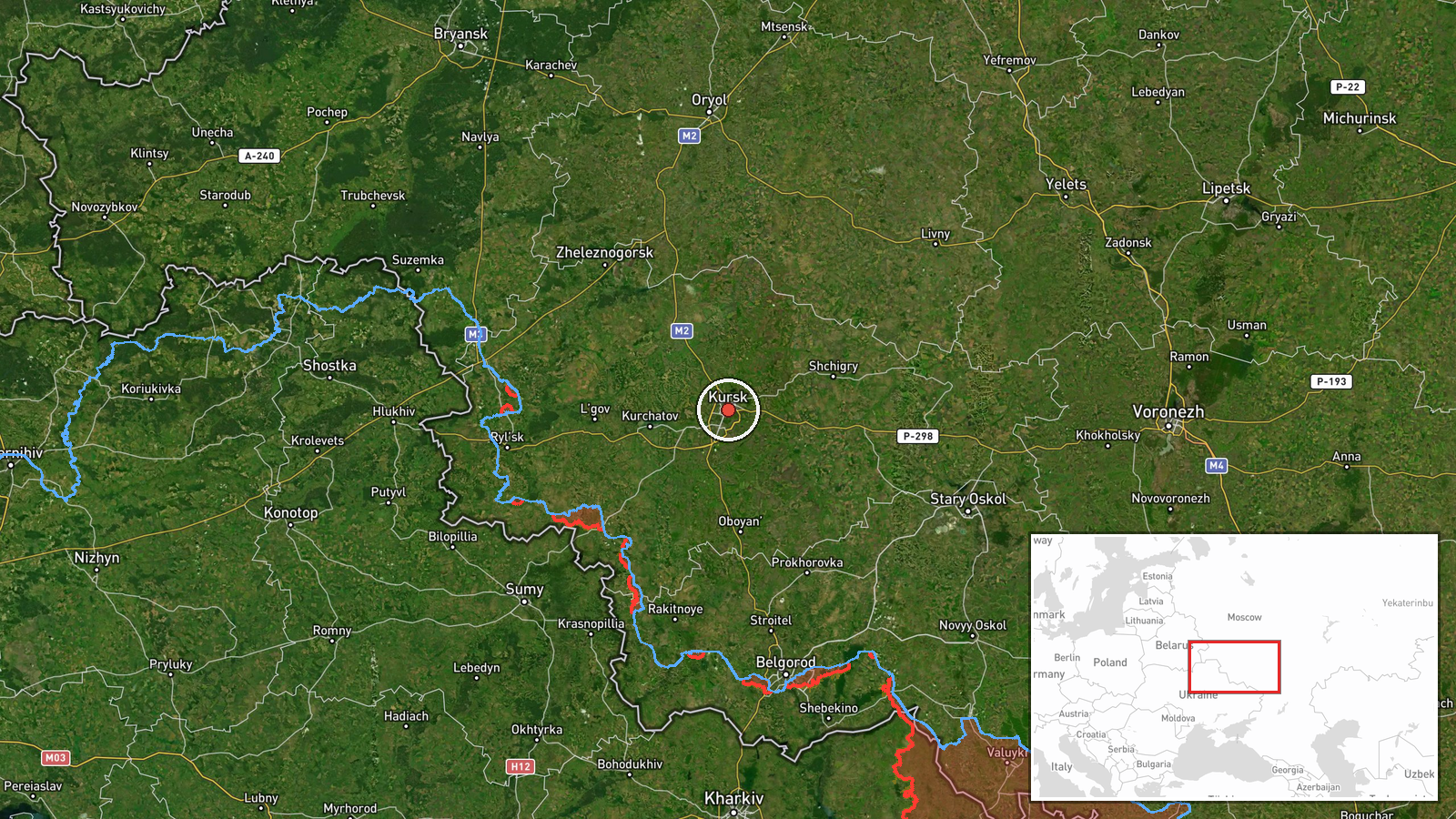
Report sourced from Kursk region, Russia, at regional precision level. Kursk lies approximately 300 kilometres north of the Ukrainian border and hosts Russian air force facilities historically involved in strike operations. Exact launch location not specified; regional attribution based on known Russian airbase positions.
Related events nearby
- Ukrainian General Staff operational summary (Day 1686): 184 combat engagements recorded. Russia conducted 84 a2026-10-06 05:07 UTC · Report · Sumy, Sumy Oblast, Ukraine
▶ View this event on the live map
Intel Mapper aggregates open-source reports from monitored Telegram and X channels, geolocates them, cross-checks duplicates across sources and assigns a confidence score. Entries are updated as new confirmations arrive. Read how we verify events.