Hezbollah expands territorial control in Lebanon's Baalbek-Hermel region
What happened
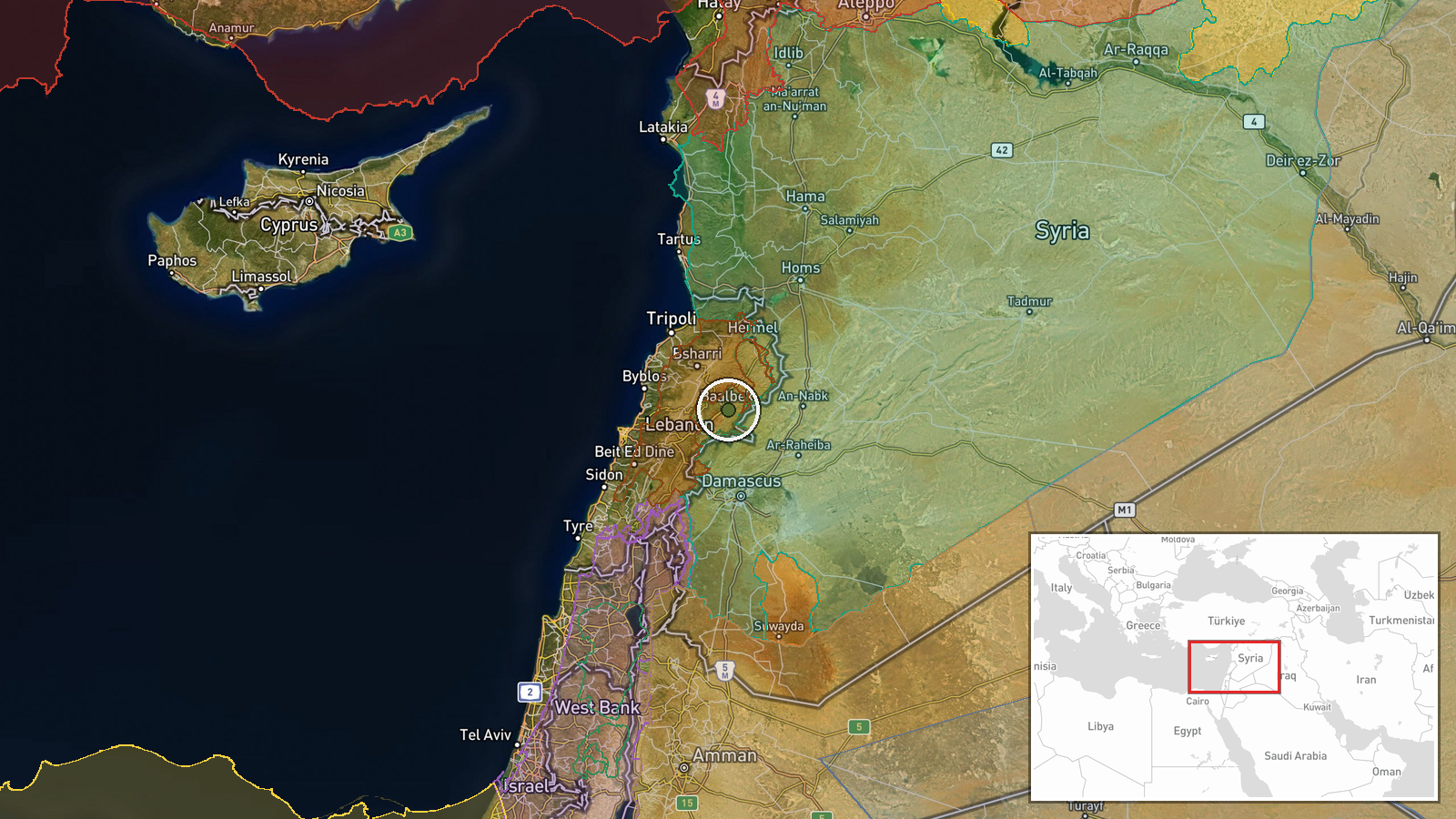
According to a Wiki control map update, Hezbollah forces have expanded their territorial control by approximately 33 square kilometers in the Baalbek-Hermel area of northeast Lebanon as of October 11, 2026. The reported expansion represents a significant shift in the distribution of territory held by the militant organization in this strategically important Lebanese region bordering Syria.
Context and assessment
The Baalbek-Hermel region serves as a key stronghold for Hezbollah in northeastern Lebanon, bordering Syria's Anti-Lebanon mountains. Control of this area provides access to cross-border supply routes and strategic depth near the Syria-Lebanon frontier. This reported territorial consolidation occurs amid broader tensions in the region, including Israeli infiltration operations in nearby Syrian territory and ongoing cross-border security incidents. The expansion may reflect Hezbollah's efforts to solidify control over territory in areas where its influence has faced pressure or competition, though the specific tactical circumstances driving the expansion remain unclear from available reporting.
Sources and confidence
Reported by Wiki control map, a conflict mapping platform. Single-source reporting with no visible cross-confirmation from independent channels or official statements limits confidence. The confidence score of 7.5/10 reflects the source's established track record in mapping territorial changes, though independent verification from additional conflict monitors or parties on the ground would strengthen assessment reliability.
Location
Baalbek-Hermel governorate, northeastern Lebanon, encompasses the cities of Baalbek and Hermel and surrounding areas in the Anti-Lebanon mountain range. The region borders Syria to the east and lies approximately 90 kilometers north of Beirut. Geographically remote and mountainous terrain has historically made it difficult to monitor precisely, affecting location confidence.
Related events nearby
- Syrian Foreign Minister Asaad Al-Shbani and Saudi Prince Faisal bin Farhan held phone talks reviewing regional2026-10-11 18:19 UTC · Statement · Damascus, Syria
- Family members of detainees held in Iraqi prisons staged a protest at the Iraqi Embassy in Damascus, demanding2026-10-11 13:42 UTC · Statement · Iraqi Embassy, Damascus, Syria
- Syrian Foreign Minister Asaad Al-Shaybaani met LNA Deputy Commander General Khalifa Haftar in Benghazi. Discus2026-10-11 13:53 UTC · Diplomacy · Damascus, Syria
- Citizens of Al-Dumayr block truck traffic on bypass road, protesting repeated traffic accidents and demanding 2026-10-11 08:39 UTC · Statement · Al-Dumayr, Rif Dimashq Governorate, Syria
- Israeli occupation forces infiltrated the vicinity of Saida village in Quneitra's Golan and abducted 3 sheep h2026-10-11 11:53 UTC · Security · Saida, Quneitra Governorate, Syria
▶ View this event on the live map

Intel Mapper aggregates open-source reports from monitored Telegram and X channels, geolocates them, cross-checks duplicates across sources and assigns a confidence score. Entries are updated as new confirmations arrive. Read how we verify events.