Houthi forces expand territorial control in Yemen front area
What happened
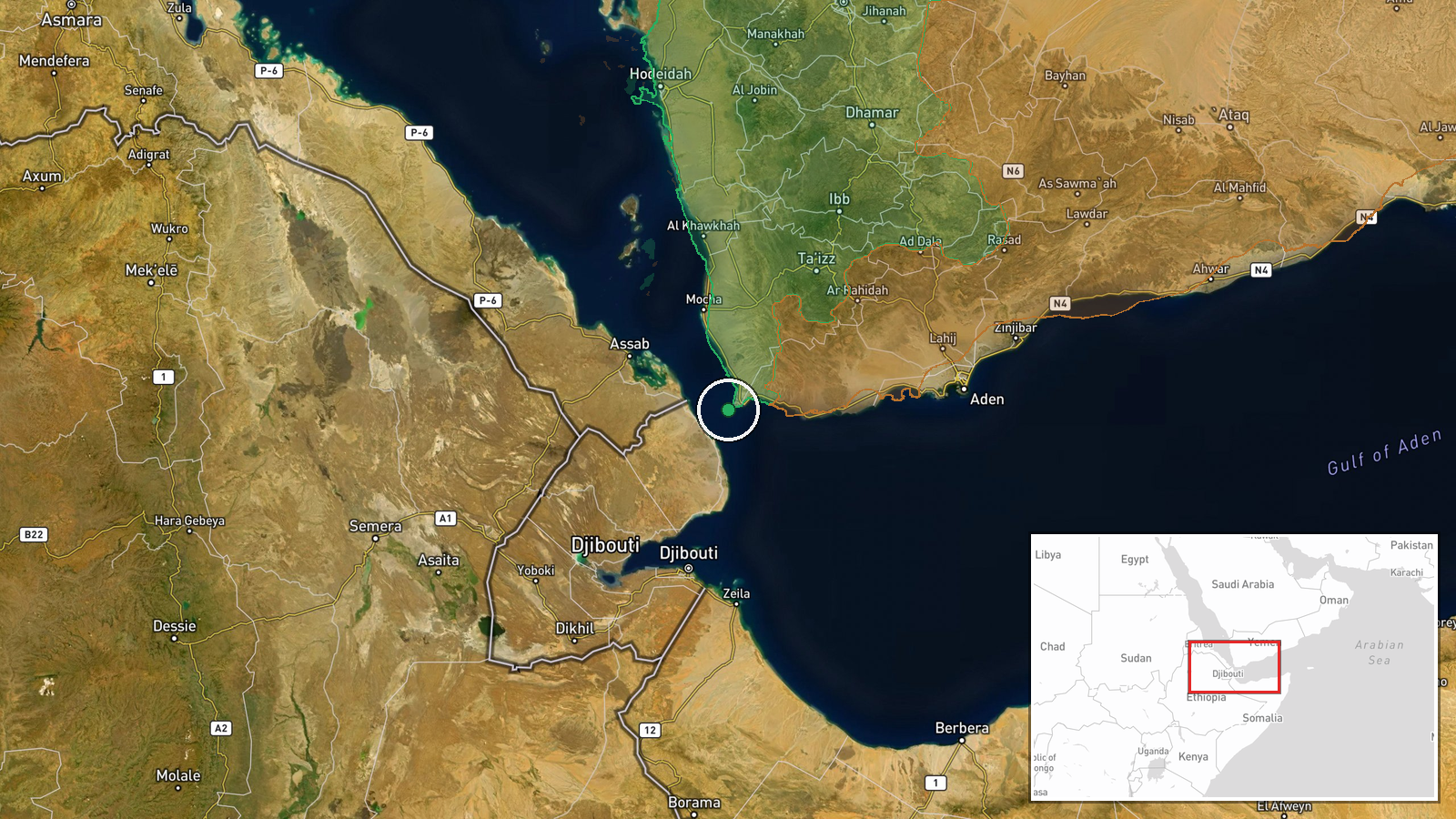
According to Wiki control map updates, Houthi (Ansar Allah) forces expanded their territorial control by approximately 15 square kilometers in the Yemen front area on September 15. The expansion was recorded at 17:54 UTC. The precise locations and nature of the tactical actions driving this control shift were not detailed in the available reporting.
Context and assessment
This territorial expansion occurs amid heightened Houthi military activity in Yemen. Earlier on the same day, Houthi forces launched a ballistic missile from Taiz Airport, which was subsequently targeted by Saudi airstrikes, indicating sustained operational tempo. Concurrently, Houthi forces reportedly expanded control by approximately 67 square kilometers in the nearby Al Hudaydah Governorate, suggesting a broader push for territorial consolidation across multiple fronts. These gains may reflect improved coordination between Houthi units, possible weakening of opposing positions, or repositioning ahead of anticipated military developments. Control map updates typically lag real-time events, so the timing and causation of these expansions require further verification.
Sources and confidence
Single source: Wiki control map. Cross-confirmation from other open-source intelligence channels on this specific territorial expansion is not documented. Confidence score of 7.5 reflects the authoritative nature of conflict control mapping but the absence of corroborating reports. Score could increase with independent satellite imagery or multiple conflict monitor confirmations; it would decrease if the map update is revised.
Location
The Yemen front area, located at approximately 12.65°N, 43.42°E, encompasses territory in southwestern Yemen. Precision is regional rather than specific to individual settlements. The area lies within the broader conflict zone involving Houthi (Ansar Allah) forces and Saudi-led coalition partners, proximate to ongoing operations documented in Taiz and Al Hudaydah Governorate.
Related events nearby
- Western European military assessments conclude Saudi-backed forces in Yemen are struggling to halt Houthi adva2026-09-15 18:40 UTC · Statement · Mokha, Taiz Governorate, Yemen
- CCTV footage captured Houthi ballistic missile launch from Taiz airport at 3:52am, immediately followed by Sau2026-09-15 14:36 UTC · Ballistic Missile · Taiz Airport, Taiz, Yemen
▶ View this event on the live map
Intel Mapper aggregates open-source reports from monitored Telegram and X channels, geolocates them, cross-checks duplicates across sources and assigns a confidence score. Entries are updated as new confirmations arrive. Read how we verify events.