Turkish FM discusses implementation of Mecca Joint Defense Alliance at trilateral meeting
What happened
Turkish Foreign Minister Hakan Fidan announced that comprehensive discussions took place regarding concrete implementation steps for the Mecca Joint Defense Alliance during a trilateral meeting in Mecca, Saudi Arabia on August 31. The statement, published via X (formerly Twitter), emphasized the exchange of views on specific measures to be taken during the alliance's implementation process. The announcement suggests movement toward operationalizing the agreement's framework.
Context and assessment
The Mecca Joint Defense Alliance represents a multilateral security arrangement involving Turkey, Saudi Arabia, and Pakistan, among others. This statement follows a broader pattern of Turkish diplomatic engagement in the Middle East, where Ankara has sought to strengthen security partnerships and institutional frameworks with Gulf states and regional powers. The focus on concrete implementation steps indicates the alliance is transitioning from a declaratory phase to practical coordination mechanisms. Such institutional development typically encompasses command structures, communication protocols, and joint operational procedures. The timing reflects ongoing efforts to establish regional security architectures amid broader geopolitical shifts.
Sources and confidence
The statement was reported by two sources: Telegram channel @ClashReport and X account @ConflictTR, likely originating from Turkish official communications. The confidence score of 6.0 reflects the attribution to an official Turkish government source, though no independent cross-confirmation is evident. Official statements carry moderate-to-high reliability. Confirmation would strengthen confidence; contradictory reporting from alliance members would lower it.
Location
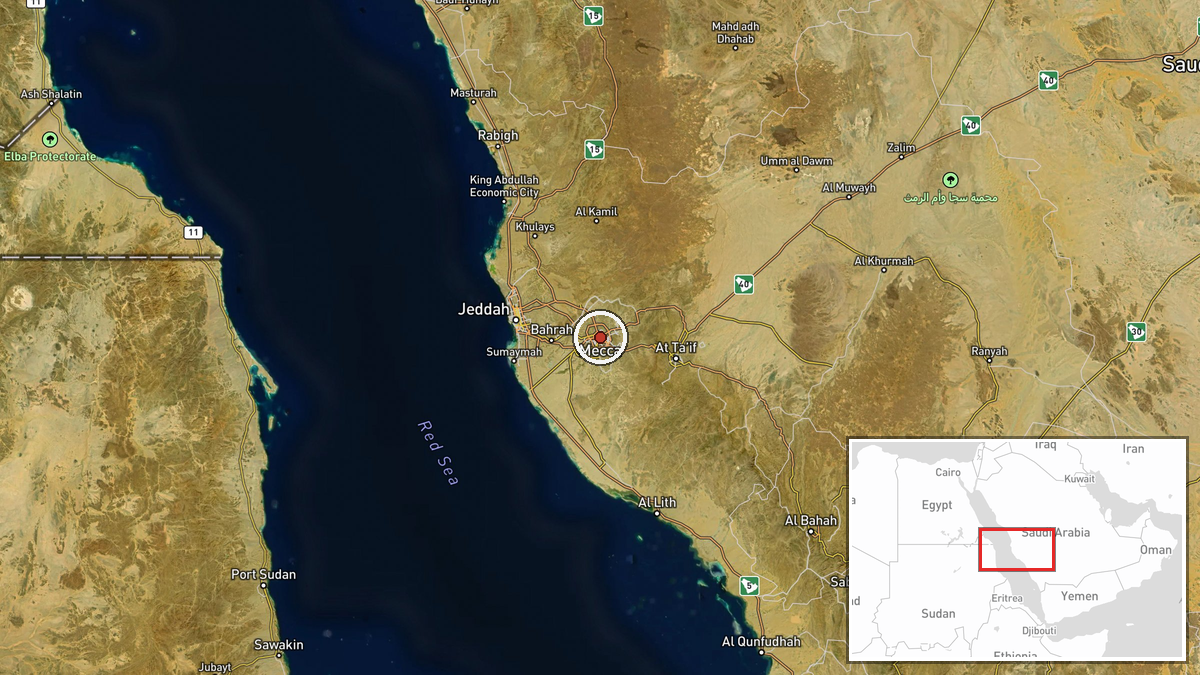
Mecca, Saudi Arabia, determined at settlement level. The holy city on the western coast of the Arabian Peninsula serves as a significant diplomatic venue for Muslim-majority states and regional powers. The choice of Mecca as a meeting location carries symbolic weight for Turkish-Saudi-Pakistani coordination.
Related events nearby
- Turkish Foreign Minister Hakan Fidan, Defense Minister Yaşar Güler, and Chief of Staff Orgeneral Selçuk Bayrak2026-08-31 10:00 UTC · Diplomacy · Mecca, Saudi Arabia
▶ View this event on the live map
Intel Mapper aggregates open-source reports from monitored Telegram and X channels, geolocates them, cross-checks duplicates across sources and assigns a confidence score. Entries are updated as new confirmations arrive. Read how we verify events.