Car bomb reported in Sevastopol targeting senior Russian military official
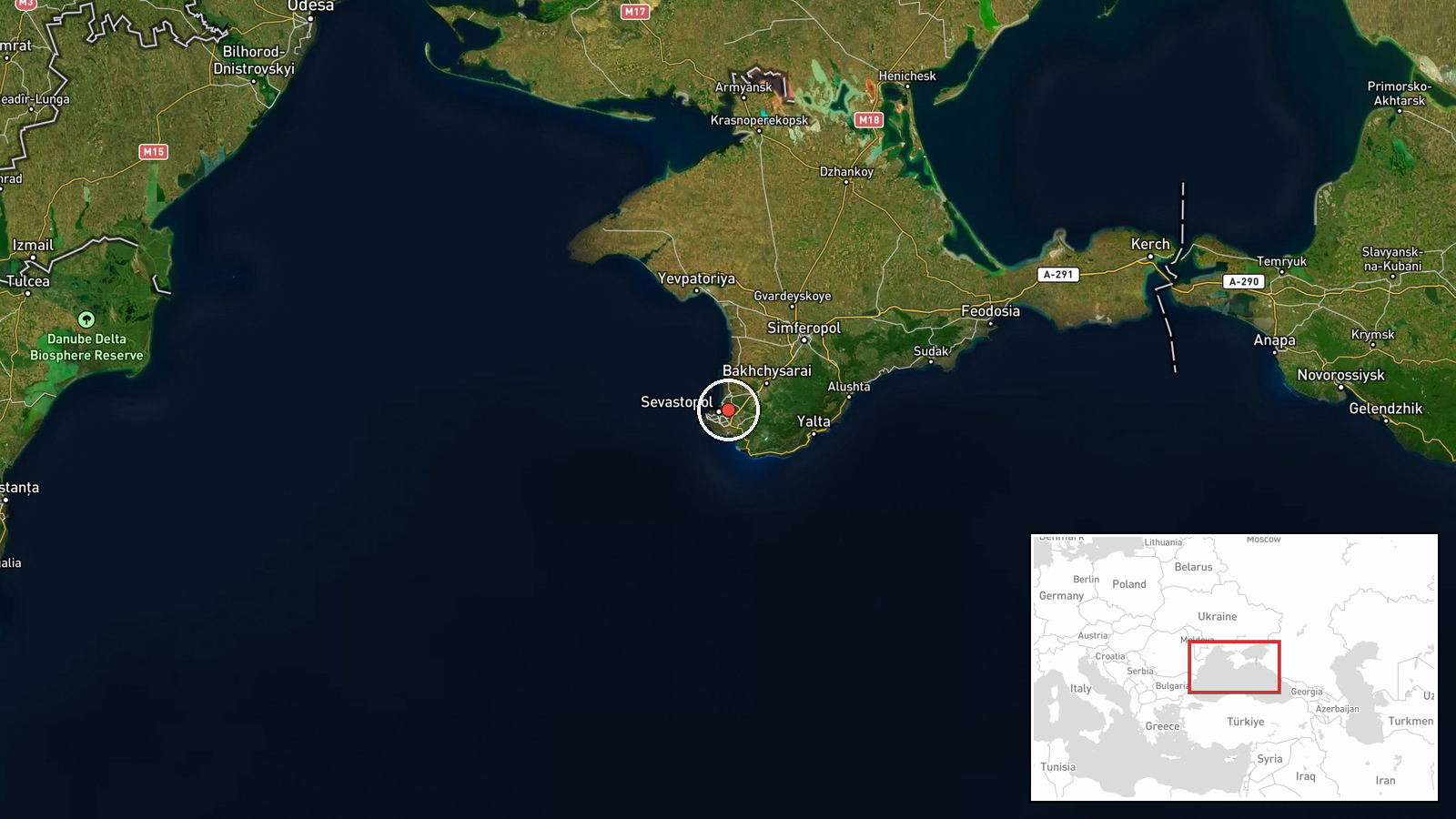
What happened
A car bomb reportedly detonated in Sevastopol on September 2, with sources suggesting it was planted beneath a vehicle belonging to a senior Russian military official. The device was described as an improvised explosive device, with initial reports indicating no immediate casualties. The incident occurred in the Russian-controlled Crimean port city, a major naval and administrative hub. No independent verification of the target's identity or damage assessment has been confirmed.
Context and assessment
Sevastopol hosts Russia's Black Sea Fleet headquarters and serves as a critical military command center for Russian operations in the region. The city has experienced repeated security incidents over the past year, including a similar vehicle explosion on the same day. Such attacks, whether attributed to Ukrainian resistance networks or other actors, typically target high-value military or administrative personnel. The proximity of two reported incidents within hours may suggest either coordinated operations or concentrated vulnerability in the city's security posture. Assassination attempts against senior officials often signal Ukrainian efforts to degrade Russian command capability.
Sources and confidence
Report sourced to X account @WarMonitor3 only, with one related corroboration from a September 2 vehicle explosion report in the same location. Single-source reporting limits confidence to 6.0. Cross-confirmation from independent Russian or Ukrainian official sources, casualty numbers, or damage photographs would significantly increase reliability. Identification of the alleged target would strengthen assessment.
Location
Sevastopol, the administrative center of Russian-occupied Crimea, located on the southwestern coast of the peninsula at approximately 44.62°N, 33.58°E. The city is situated on the Black Sea and contains major Russian naval facilities, including Fleet headquarters. Precision is limited to settlement level based on available geolocation data.
Related events nearby
- Vehicle explosion reported in Sevastopol. Source indicates IED/improvised device (microwave-based) placed unde2026-09-02 08:58 UTC · Security · Sevastopol, Crimea, Ukraine
▶ View this event on the live map
Intel Mapper aggregates open-source reports from monitored Telegram and X channels, geolocates them, cross-checks duplicates across sources and assigns a confidence score. Entries are updated as new confirmations arrive. Read how we verify events.