Ukrainian FPV drones target Russian military positions in eastern Ukraine
What happened
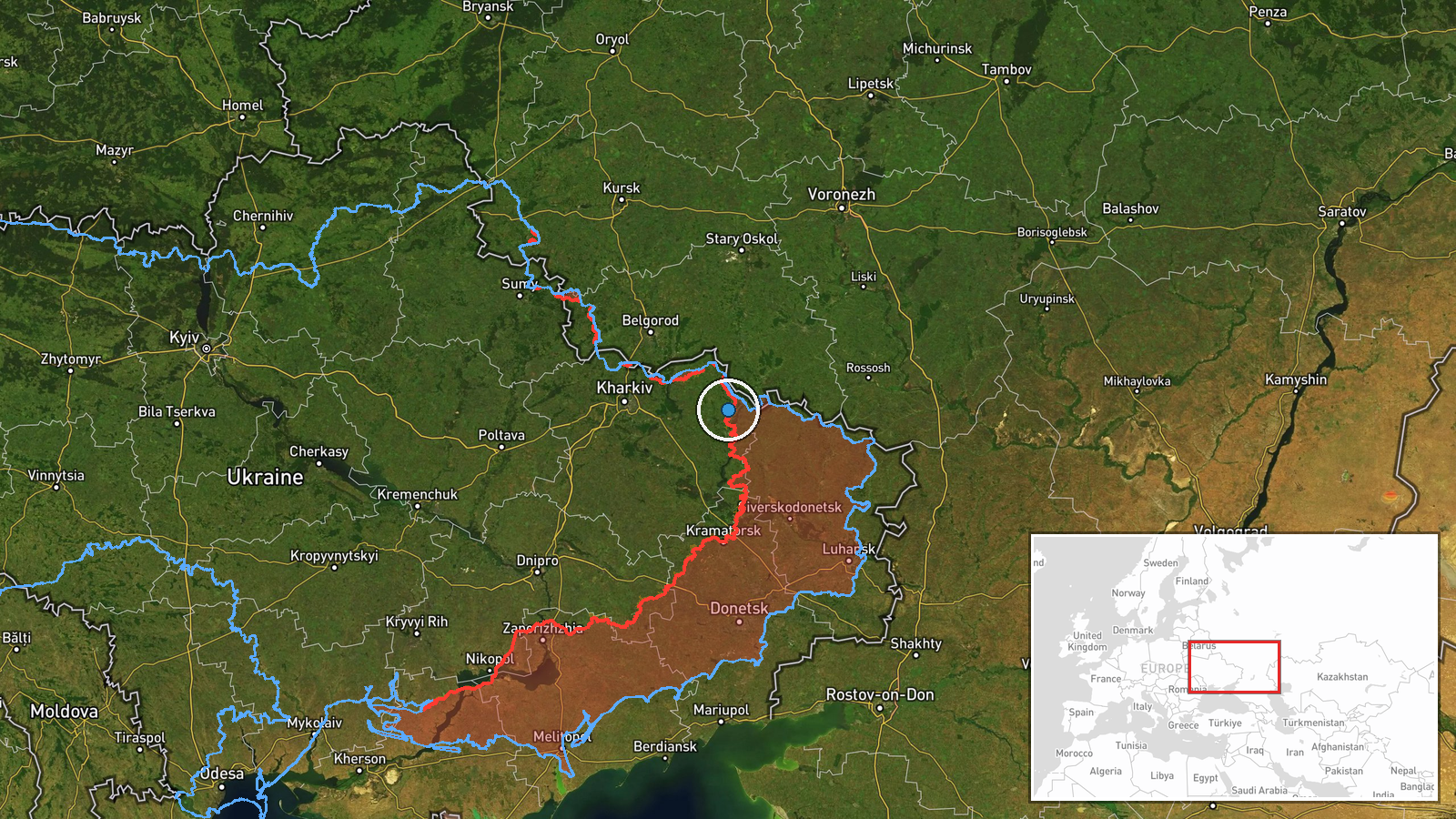
Ukrainian forces deployed first-person-view kamikaze drones against Russian military personnel and positions in eastern Ukraine on September 6, according to a report from the conflict monitoring channel @ConflictTR on X. The report provides no specific casualty figures or named locations, describing the operation only in general terms. The attack occurred amid continued strikes across the Kharkiv Oblast sector.
Context and assessment
The drone strike fits within an established pattern of Ukrainian FPV operations targeting Russian forces across the eastern front. This attack follows Russian strikes the previous day on Ukrainian industrial infrastructure, including the Kamet-Steel plant in Kamenske using North Korean ballistic missiles, and cruise missile activity detected over Kharkiv Oblast. Ukrainian FPV drones have become a primary close-range anti-personnel and anti-armor tool, typically deployed against concentrated Russian forces, vehicles, or fortified positions. The timing suggests possible Ukrainian response or opportunistic targeting of Russian deployments in the region.
Sources and confidence
The report originates from a single source: @ConflictTR on X (formerly Twitter), a Turkish-language conflict monitoring account. No cross-confirmation from other open-source intelligence channels or Ukrainian official sources is noted. The low confidence score of 6.0 reflects limited source corroboration and lack of verifiable specifics regarding locations, targets, or outcomes. Confirmation from additional independent monitors or official statements would increase confidence.
Location
The event is geolocated to eastern Ukraine at approximately 49.92°N, 37.65°E, placing it within Kharkiv Oblast or the broader eastern sector. Geographic precision is marked as regional rather than specific settlement level. The coordinates fall within active combat zones where Russian and Ukrainian forces maintain competing positions.
Related events nearby
- Ukrainian forces continue FPV drone production at frontline manufacturing facility in Kharkiv for tactical ope2026-09-06 12:22 UTC · Deployment · Kharkiv, Kharkiv Oblast, Ukraine
- Ukrainian General Staff daily operational report (22:00 06.09.2026): 206 combat clashes across all sectors. Ru2026-09-06 19:09 UTC · Combat · Kupiansk, Kharkiv Oblast, Ukraine
▶ View this event on the live map
Intel Mapper aggregates open-source reports from monitored Telegram and X channels, geolocates them, cross-checks duplicates across sources and assigns a confidence score. Entries are updated as new confirmations arrive. Read how we verify events.