Ukraine launches hundreds of drones against Central and Southern Russia
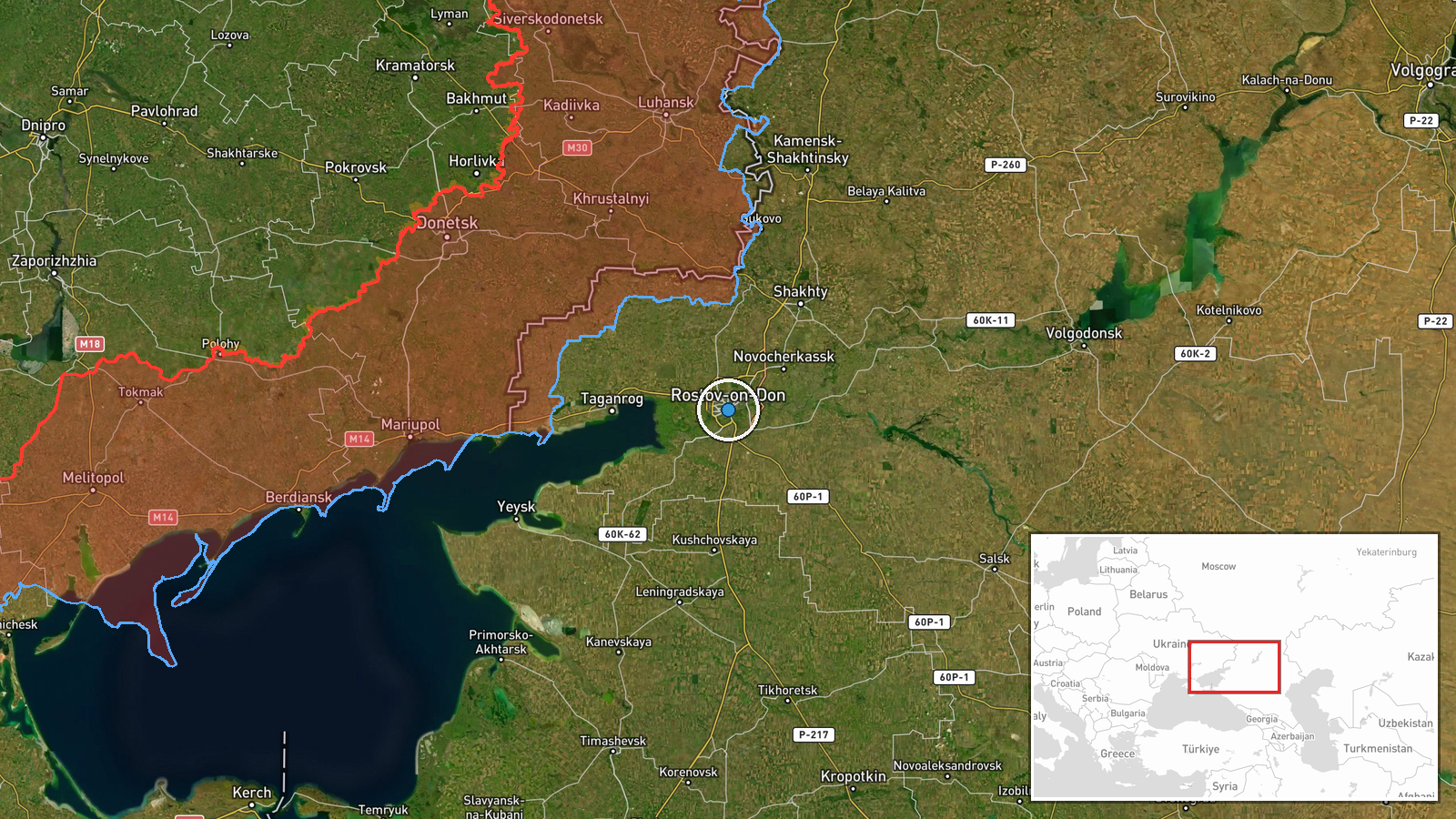
What happened
Ukrainian forces conducted a large-scale unmanned aerial attack targeting Central and Southern Russia on September 6, reportedly deploying hundreds of drones. The operation concentrated on areas near Crimea and Rostov Oblast. The specific scale, timing, and results of the strike were reported by a single X account. This represents an escalation in the pattern of Ukrainian drone operations into Russian territory observed earlier the same day.
Context and assessment
The attack follows two earlier Ukrainian drone operations on September 6: an interception event near Rostov-on-Don and a strike on Rostov-on-Don Airfield in Rostov Oblast. The Rostov region sits approximately 150 kilometers from occupied Crimea and serves as a key logistics hub supporting Russian operations in Southern Ukraine. Large-scale drone attacks of this reported magnitude suggest Ukrainian efforts to degrade Russian air defense capacity, damage critical infrastructure, or disrupt military operations across a wide geographic area. The concentration near Crimea may indicate targeting of naval or air assets supporting operations in the peninsula.
Sources and confidence
Reported by X account @WarMonitor3. Single-source reporting limits confidence; no cross-confirmation from other OSINT channels or official statements noted. Confidence score of 6.0 reflects the scale of the claim against limited corroboration. Confirmation from satellite imagery, Russian official statements, or multiple independent sources would strengthen assessment. Reports of fires at specific facilities would raise confidence substantially.
Location
Rostov Oblast in Southern Russia, approximately 400 kilometers southeast of Moscow. The region is bounded by the Don River to the west and lies adjacent to Russian-occupied Crimea across the Sea of Azov. Rostov-on-Don, the regional capital, serves as a major transportation and military logistics center. The reported strike area covers a broad region rather than a specific point target.
Related events nearby
- Ukrainian Defense Forces struck enemy command posts (CP) in Nyzhne Nahirne and Dovzhanskyi, Luhansk Oblast, an2026-09-07 10:21 UTC · Security · Nyzhnii Naholchyk, Luhansk Oblast, Ukraine
▶ View this event on the live map
Intel Mapper aggregates open-source reports from monitored Telegram and X channels, geolocates them, cross-checks duplicates across sources and assigns a confidence score. Entries are updated as new confirmations arrive. Read how we verify events.