Ukrainian drone strikes cooling unit at Kursk Nuclear Power Plant in Russia
What happened
A Ukrainian unmanned aerial vehicle struck a cooling unit associated with a reactor at Kursk Nuclear Power Plant in Kursk Oblast on September 18, reportedly according to social media monitoring. Russian sources claim the cooling tower itself remained undamaged despite the impact. The strike represents a direct attack on critical nuclear infrastructure located on Russian territory, approximately 500 kilometers from the front line.
Context and assessment
Kursk Nuclear Power Plant, one of Russia's largest power stations, has become increasingly exposed to Ukrainian strike capability as the conflict has extended deeper into Russian territory. The attack occurs amid an intense phase of fighting in Kursk Oblast, where North Korean military personnel have been confirmed fighting alongside Russian forces as of September 18. The targeting of nuclear infrastructure reflects Ukraine's demonstrated willingness to strike strategically significant facilities far from frontline combat. If the cooling system sustained damage, even non-critical hits could have cascading effects on reactor operations, though Russian claims of no structural damage suggest either limited impact or information control.
Sources and confidence
Reported by X account @WarMonitor3 on September 18. Single source reporting with no cross-confirmation from other major OSINT channels or official statements as of publication. Confidence score of 6.0 reflects limited corroboration. Verification would improve with independent satellite imagery, Russian official acknowledgment, or reports from multiple intelligence monitoring accounts. Russian denial of critical damage requires independent assessment.
Location
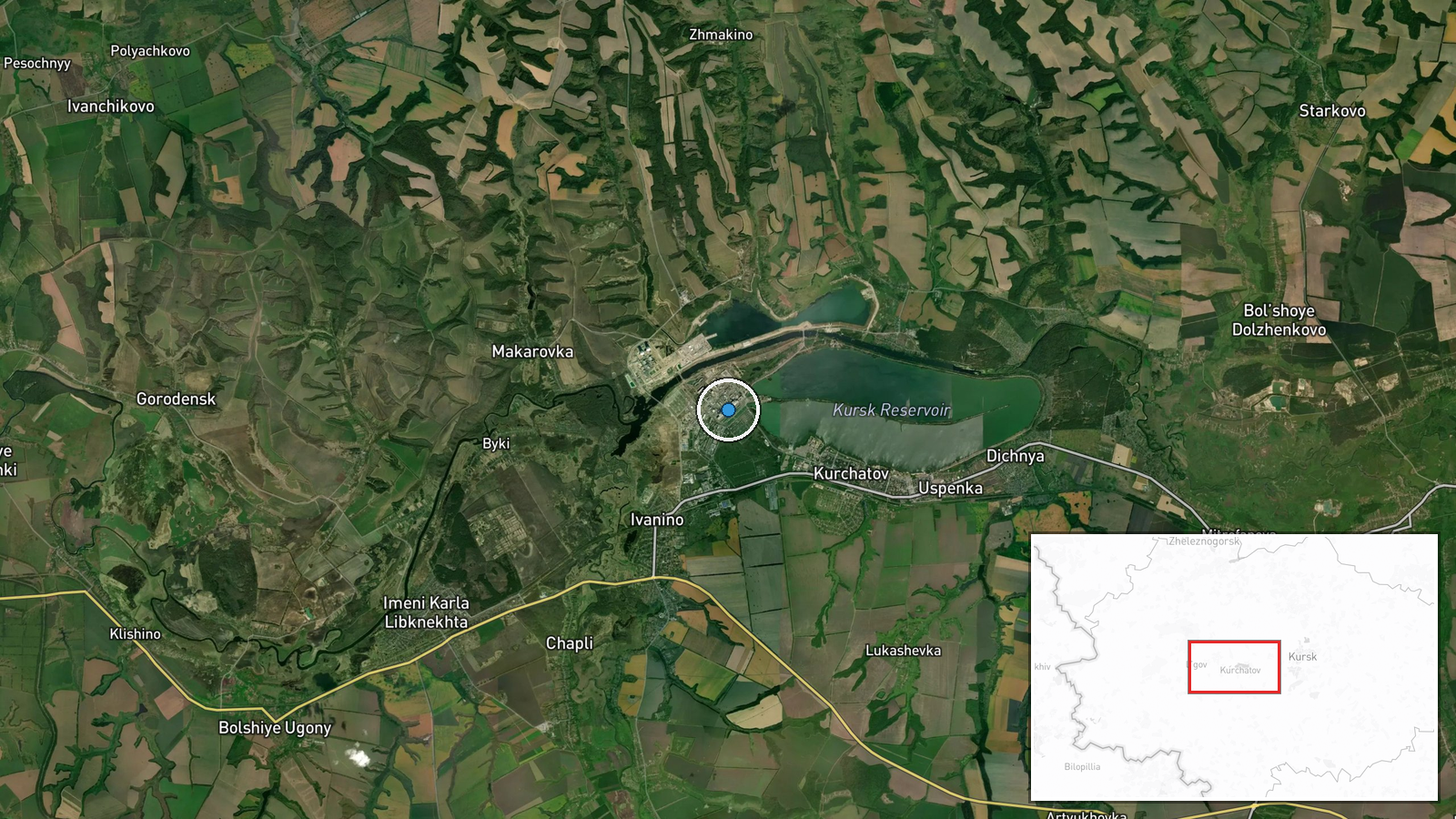
Kursk Nuclear Power Plant is located at 51.676°N, 35.606°E in Kursk Oblast in southwestern Russia, approximately 40 kilometers north of the city of Kursk. The facility sits in relatively flat terrain in the broader Kursk region, an agricultural area that has become a major theater of active military operations since August 2024.
Related events nearby
- Photograph shows Russian soldier posing with North Korean troops at a grain depot in Kursk Oblast during the K2026-09-18 15:58 UTC · Combat · Kursk Oblast, Russia (border area near Sumy)
- North Korean soldiers pictured actively fighting for Russian forces in Kursk region. Reports confirm DPRK comb2026-09-18 01:40 UTC · Combat · Kursk Region, Russia
- Ukrainian air defense monitoring reports threat of Russian Iskander or S-400 air defense system activity in Ku2026-09-18 16:28 UTC · Ballistic Missile · Kursk, Kursk Oblast, Russia
- US Joint Chiefs Chairman Gen. Dan Cain states that newly deployed Russian soldiers on some frontline sectors n2026-09-18 09:21 UTC · Statement · Washington, D.C., USA
▶ View this event on the live map
Intel Mapper aggregates open-source reports from monitored Telegram and X channels, geolocates them, cross-checks duplicates across sources and assigns a confidence score. Entries are updated as new confirmations arrive. Read how we verify events.