Iraq orders end to airport assistance for Iranian aircraft amid U.S. sanctions pressure
What happened
Iraq's Foreign Ministry has instructed the Transportation Ministry to cease all assistance provided to Iranian aircraft at Iraqi airports, according to an official who disclosed the directive to Al Jazeera. The move comes as U.S. sanctions on Iran intensify. The instruction represents a formal policy shift by Baghdad affecting Iranian aviation operations across Iraqi airspace and ground infrastructure.
Context and assessment
The directive reflects escalating pressure on Iraq to distance itself from Iranian interests as Washington tightens its sanctions regime. This action follows concurrent Iraqi government efforts to reassert state authority, including Prime Minister al-Zaidi's announcement on the same day of a phased disarmament plan targeting Iran-backed militias by June 2027. However, these centralization attempts face resistance from armed factions reportedly coordinated by Iranian IRGC representatives operating inside Iraq. The airport measure may signal Baghdad's attempt to demonstrate compliance with U.S. policy while managing its complex relationship with Tehran and domestic Iranian-aligned groups. Iraq's airports have historically served as nodes in Iranian logistics networks supporting operations across the region.
Sources and confidence
Single source: Al Jazeera, via X account @Osint613. No corroborating reports from Iraqi state media or U.S. officials documented in provided data. Confidence score of 6.0 reflects the single-source limitation and reliance on third-party disclosure rather than official statement. Confirmation from Iraq's Transportation Ministry or additional international media outlets would strengthen confidence.
Location
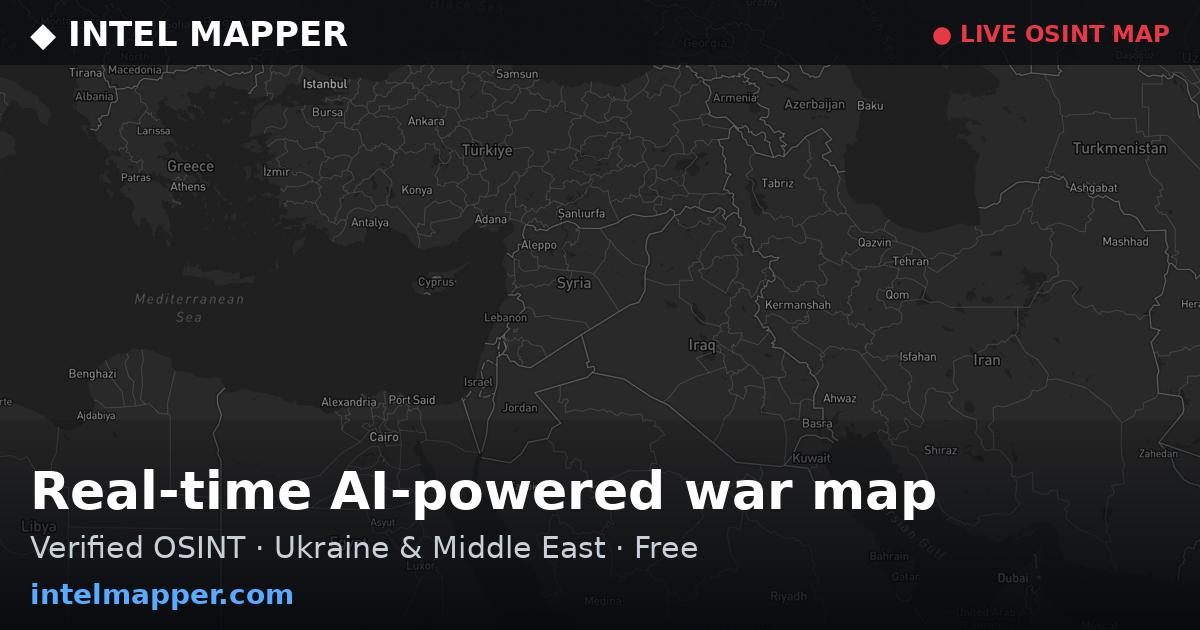
Baghdad, Iraq (33.31°N, 44.39°E). The directive applies to all Iraqi airports nationwide but was announced from the capital, seat of the Foreign Ministry. Iraq possesses multiple major civilian and military airports, including Baghdad International Airport and regional hubs serving as potential Iranian transit points.
Related events nearby
- Iraqi official announces that Iraqi airports have been instructed to ban Iranian aircraft effective immediatel2026-09-22 14:02 UTC · Statement · Baghdad, Iraq
- Iranian IRGC representative Haj Hamed coordinates expanded Houthi security and political operations inside Ira2026-09-22 11:36 UTC · Report · Baghdad, Iraq
- Iraqi PM al-Zaidi announced a phased disarmament plan requiring all armed factions to surrender weapons within2026-09-22 09:15 UTC · Statement · Baghdad, Iraq
- Iraqi PM al-Zaidi announces phased disarmament plan for Iran-backed militias by June 30, 2027, including 90-da2026-09-22 07:25 UTC · Statement · Baghdad, Iraq
▶ View this event on the live map
Intel Mapper aggregates open-source reports from monitored Telegram and X channels, geolocates them, cross-checks duplicates across sources and assigns a confidence score. Entries are updated as new confirmations arrive. Read how we verify events.