WSJ: Iran's leverage over Strait of Hormuz oil transit diminishing
What happened
The Wall Street Journal reports that Iran's capacity to restrict oil flows through the Strait of Hormuz and use such restrictions as coercive leverage is weakening. The report, shared via X on 29 September 2026, suggests a declining ability by Tehran to weaponise control over one of the world's most critical energy chokepoints. No specific incident or recent action is cited in the available summary.
Context and assessment
The Strait of Hormuz, through which roughly one-third of global seaborne oil transits, has long been a focal point of Iranian strategic doctrine. Tehran has repeatedly threatened closure or disruption during periods of heightened regional tension, particularly in response to sanctions or military pressure. A diminishing capacity to execute such threats—whether due to international naval presence, shifting energy markets, or constraints on Iranian military readiness—would represent a significant shift in regional power dynamics. This assessment likely reflects both structural changes in global energy flows, including increased renewables and LNG alternatives, and the cumulative effects of sanctions on Iran's naval capabilities.
Sources and confidence
Reported by Wall Street Journal via X (@ConflictTR) on 29 September 2026. Single source; no cross-confirmation in provided data. Confidence score of 6.0 reflects reliance on one major outlet without independent corroboration. Confidence would rise with reporting from additional international media; would fall if WSJ analysis is contradicted by subsequent Iranian military statements or demonstrated capability.
Location
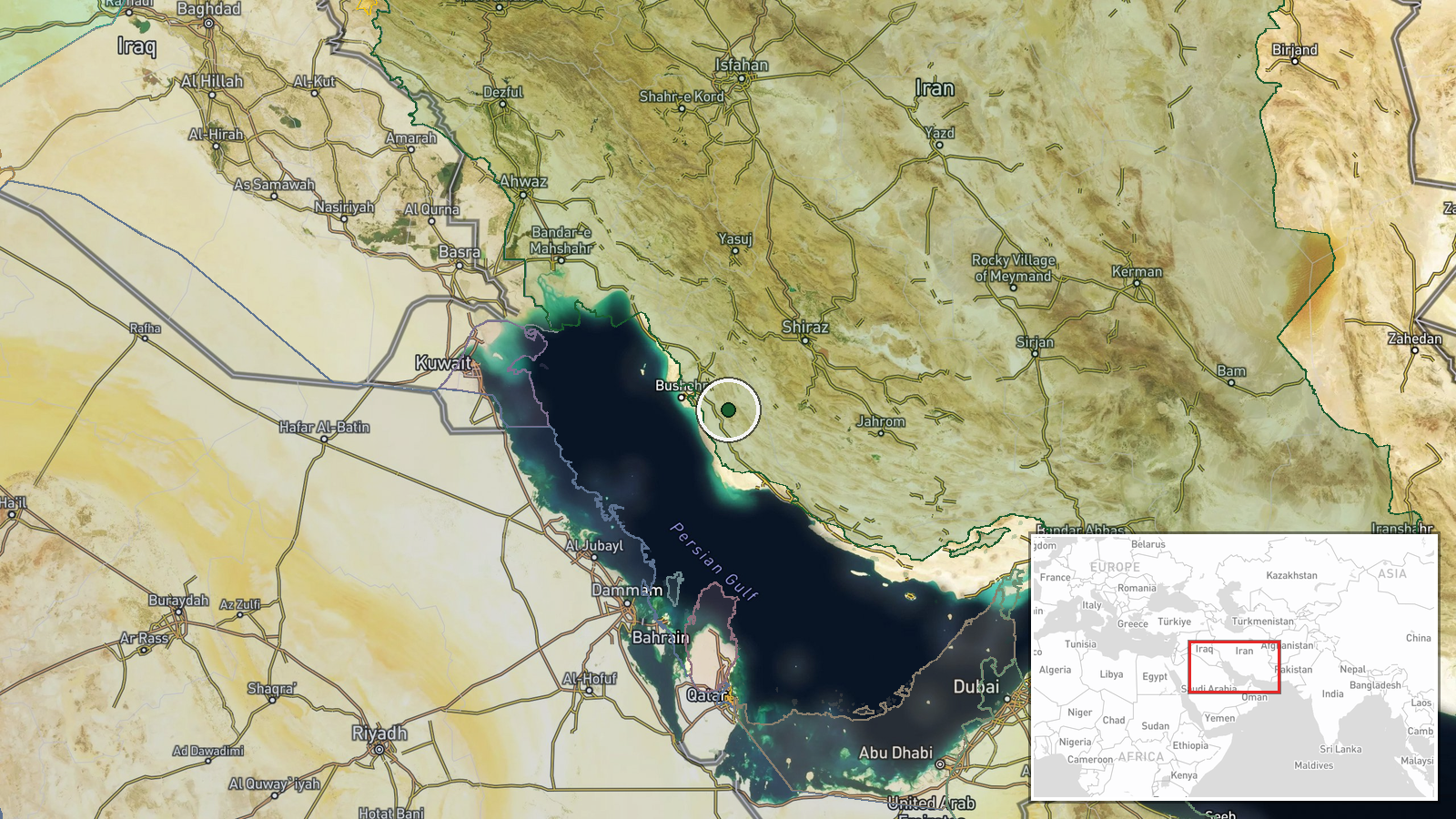
Strait of Hormuz, the waterway separating Oman from Iran's southern coast, lying between the Persian Gulf and the Gulf of Oman. Approximately 54 nautical miles wide at its narrowest point, it channels all major hydrocarbon exports from the Gulf. Precision is regional rather than site-specific, as the analysis addresses the entire strategic waterway.
Related events nearby
- A cargo vessel transiting the Strait of Hormuz was struck. Details on attacker, weapon type, and damage remain2026-09-29 15:07 UTC · Naval · Strait of Hormuz, Persian Gulf
▶ View this event on the live map
Intel Mapper aggregates open-source reports from monitored Telegram and X channels, geolocates them, cross-checks duplicates across sources and assigns a confidence score. Entries are updated as new confirmations arrive. Read how we verify events.