Drone strikes reported on Ethiopian army command headquarters in Addis Ababa
What happened
Unmanned aerial systems reportedly struck military targets in Addis Ababa overnight on October 1st, including Ethiopia's army command headquarters, according to sources aligned with the Tigray People's Liberation Front. Three diplomatic sources independently confirmed to Reuters that heavy explosions were heard across the Ethiopian capital during the attack. The scale and nature of damage have not been detailed in available reports.
Context and assessment
Addis Ababa, seat of the Ethiopian federal government and African Union headquarters, has historically been outside the main theater of the 2020–2022 Tigray conflict and subsequent tensions. A strike of this type on a capital-city military command center would represent a significant escalation in the geographic scope of operations, suggesting either expanded capability, coordination with other actors, or a shift in conflict dynamics following the November 2022 ceasefire. Such attacks on central command infrastructure typically aim at degrading operational command and control or signaling political-military resolve. The allegation requires confirmation from independent sources.
Sources and confidence
Initial report sourced from X via @Osint613, attributed to sources close to the TPLF. Cross-confirmation came from three diplomatic sources speaking to Reuters about explosions heard in the capital. Confidence of 6.0 reflects single-channel attribution of the strike claim, though auditory confirmation from independent observers raises credibility. Official Ethiopian military statement and visual evidence would substantially increase confidence.
Location
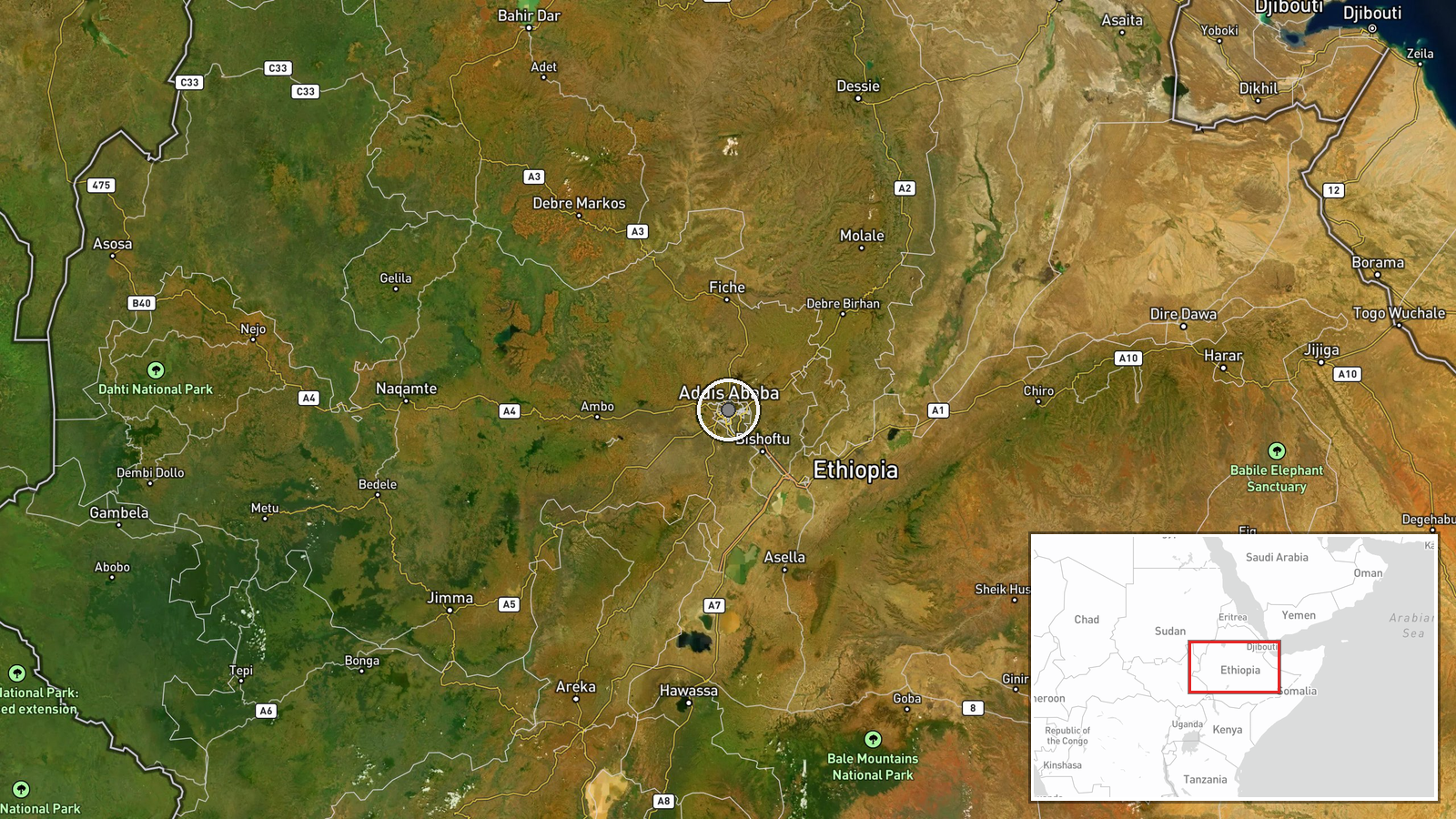
Addis Ababa, Ethiopia's capital and largest city, located at approximately 2,355 meters elevation in the central highlands. The city is the administrative center of the federal government and hosts numerous military installations, including Ethiopian Armed Forces headquarters. Precision within the settlement is not specified; impacts may be distributed across multiple facilities in or near the capital.
▶ View this event on the live map
Intel Mapper aggregates open-source reports from monitored Telegram and X channels, geolocates them, cross-checks duplicates across sources and assigns a confidence score. Entries are updated as new confirmations arrive. Read how we verify events.