Russian drones strike Moldovan vineyard in unprecedented airspace violation
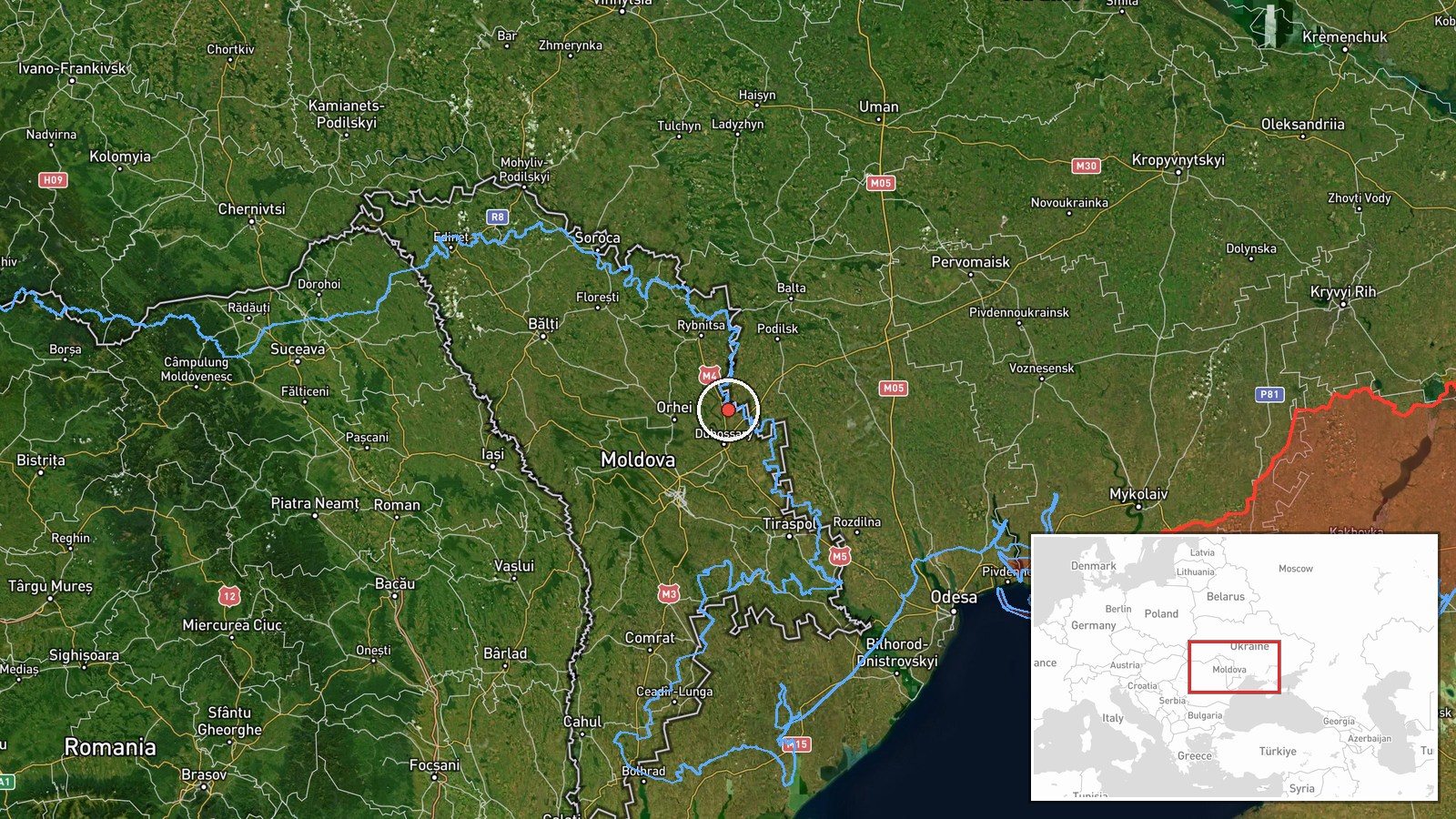
What happened
Russian unmanned aircraft penetrated Moldovan airspace on five separate occasions on October 3, with at least four explosions reported across the country. One drone struck a vineyard in Crocmaz, in the Criuleni area. NATO fighter aircraft were scrambled in response to the incursions. The source describes the violation as unprecedented, marking an escalation in direct Russian air activity within Moldovan territory.
Context and assessment
This incursion occurs amid sustained Russian drone and cruise missile operations across the Black Sea region and southern Ukraine. A related strike earlier that morning targeted Maiak in Odesa Oblast, while a separate drone transit through Moldovan airspace was recorded on the same day near Causeni, with four confirmed crash sites. Moldova, a NATO-adjacent state bordered by Ukraine and Romania, has experienced periodic airspace violations since Russia's 2022 invasion of Ukraine. The repeated penetrations suggest either deliberate pressure against Moldova or degraded Russian flight discipline in contested airspace. The NATO response indicates NATO air assets are positioned to monitor the region, likely from Romania.
Sources and confidence
Single source: X account @Osint613. No cross-confirmation from Ukrainian or Moldovan official channels visible in provided data. Confidence score of 6.0 reflects limited source corroboration and reliance on open-source intelligence. Confirmation from Moldovan or NATO statements, video evidence of impacts, or multiple independent OSINT channels would strengthen confidence. Retraction or conflicting official accounts would lower it.
Location
Criuleni settlement, central Moldova, approximately 47.4°N 29.2°E. The vineyard impact site in Crocmaz lies in the Criuleni District, roughly 100 kilometers northwest of Transnistria and near the Dniester River valley. The area is agricultural and situated between the Prut River border with Romania and Ukraine's Odesa Oblast.
Related events nearby
- Russian cruise missiles (Kh-47/UMPC-5 or Kalibr variants) detected en route from Odesa toward Maiak, Odesa Obl2026-10-03 04:46 UTC · UAS Strike · Maiak, Bilhorod-Dnistrskyi, Odesa Oblast, Ukraine
- Russian forces fired 5 drones deliberately into Moldovan airspace; 4 crash sites confirmed across the country.2026-10-03 09:47 UTC · Drone Transit · Causeni, Causeni District, Moldova
▶ View this event on the live map
Intel Mapper aggregates open-source reports from monitored Telegram and X channels, geolocates them, cross-checks duplicates across sources and assigns a confidence score. Entries are updated as new confirmations arrive. Read how we verify events.