Houthi ballistic missile strike hits Saudi Aramco refinery near Riyadh
What happened
Houthi forces conducted a ballistic missile attack on the Aramco Oil Refinery in northern Riyadh, Saudi Arabia, on October 3, 2026. Satellite imagery documented a large smoke plume originating from the facility that expanded across multiple areas of the city. At approximately 10:00 local time, the plume reached an estimated length of 107 kilometers, indicating a substantial impact on the refinery complex. The report comes from open-source intelligence monitoring via X.
Context and assessment
Aramco's Riyadh refinery ranks among Saudi Arabia's critical energy infrastructure. The strike follows Pakistan's recent deployment of approximately 40,000 soldiers to Saudi Arabia on October 2, explicitly aimed at strengthening air and missile defense against Houthi threats. The timing suggests that despite enhanced defensive measures, Houthi forces have maintained capability to penetrate Saudi air defenses and strike major economic targets. Such attacks on petroleum infrastructure form part of the Houthi campaign against Saudi-led coalition interests, potentially signaling either an escalation or a shift in targeting strategy following the announced defensive reinforcements.
Sources and confidence
Reported via X (@Osint613) with supporting satellite imagery analysis. Single-source reporting limits independent cross-confirmation at present. Confidence score of 6.0 reflects visual evidence from overhead satellites but singular sourcing. Corroboration from additional intelligence channels or Saudi official statements would strengthen assessment. Independent confirmation of impact extent would also raise confidence.
Location
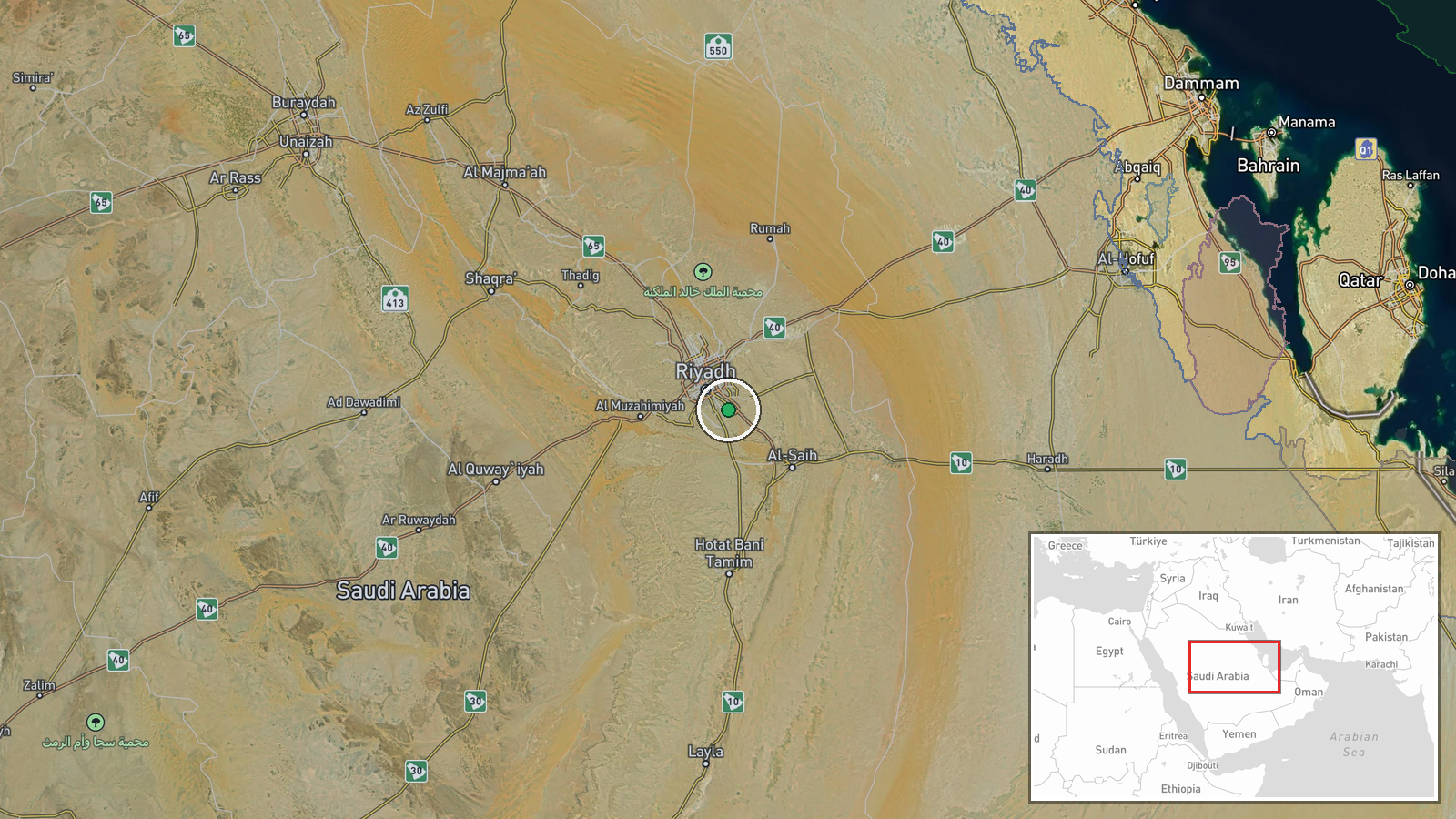
Aramco Oil Refinery complex located in northern Riyadh, Saudi Arabia's capital and largest city. The facility sits at coordinates 24.51°N, 46.87°E within the metropolitan area. Riyadh is situated in central Saudi Arabia, approximately 400 kilometers inland from the Persian Gulf coast, making it a significant distance from typical Houthi operational bases in Yemen.
Related events nearby
- Pakistan has deployed approximately 40,000 soldiers to Saudi Arabia to bolster air and missile defense capabil2026-10-02 18:58 UTC · Deployment · Riyadh, Saudi Arabia
▶ View this event on the live map
Intel Mapper aggregates open-source reports from monitored Telegram and X channels, geolocates them, cross-checks duplicates across sources and assigns a confidence score. Entries are updated as new confirmations arrive. Read how we verify events.