Saudi-backed Yemeni forces report major territorial gains across Marib fronts
What happened
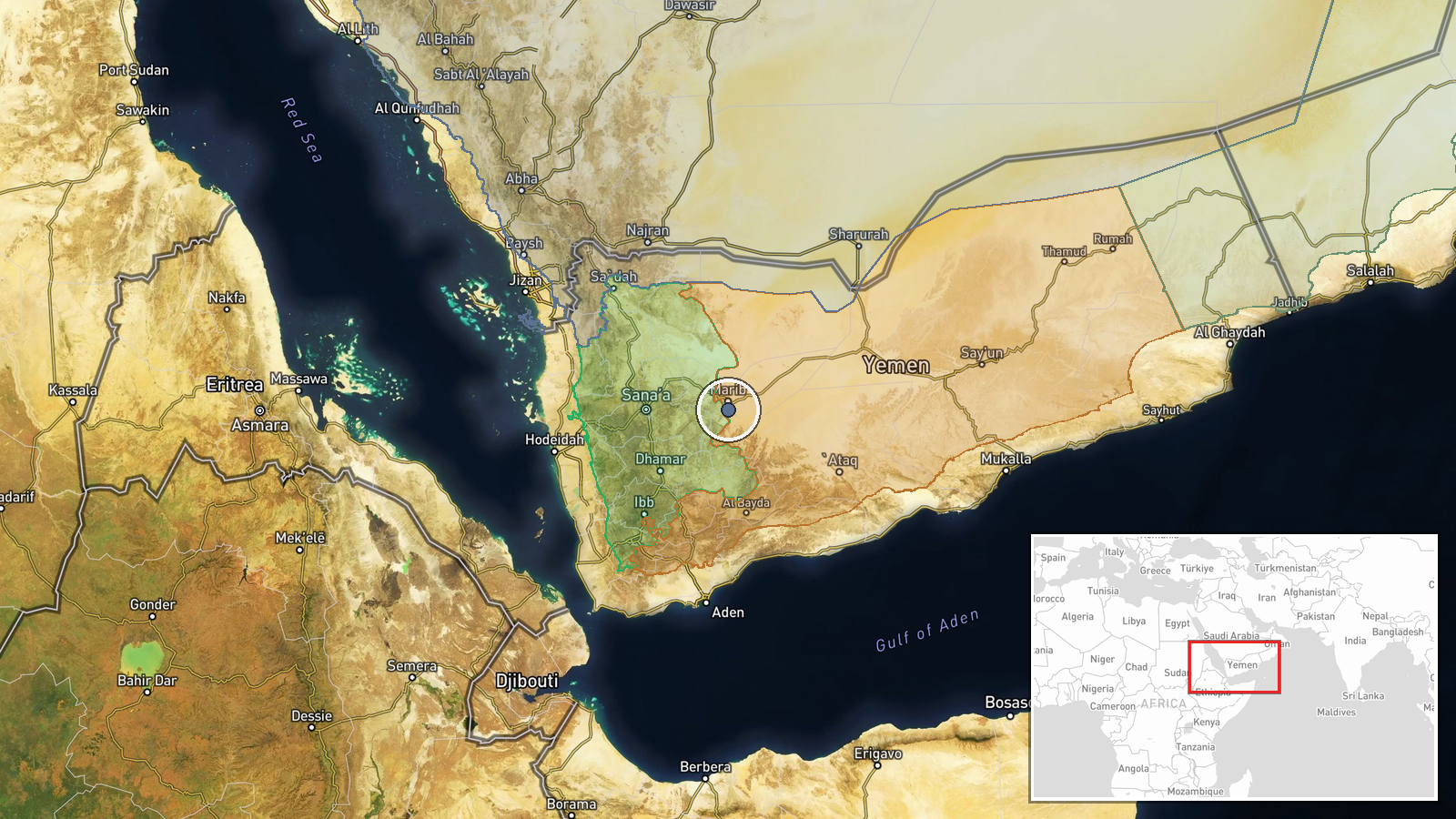
Saudi Arabia-backed Yemeni government forces reportedly advanced across multiple frontlines in Marib and Al-Jawf governorates on October 5, with claimed air support. According to reports from X (@Osint613), forces achieved significant gains on the Al-Kassara front in Marib, with activity reported across all Marib sector fronts. The advance occurred as part of broader coordinated offensive operations launched earlier that day against Houthi positions.
Context and assessment
Marib remains strategically important as Yemen's largest oil and gas producer and a major population center, making control of the governorate crucial to any faction seeking national authority. The reported advances fit an escalating pattern: Yemen's President Rashad al-Alimi announced a full-scale nationwide offensive on October 4, followed by Saudi coalition airstrikes on Houthi-held Sana'a and coordinated ground operations across three Marib frontlines on October 5. This multi-front campaign suggests an attempt to capitalize on air superiority and synchronize operations, though the Houthis have contested claims of territorial loss. Success in Marib could strengthen the Saudi-backed government's negotiating position.
Sources and confidence
Single source via X (@Osint613). No cross-confirmation from independent monitors or competing sources. Confidence score of 6.0 reflects limited corroboration and typical single-source reporting challenges in Yemen's fragmented conflict zone. Confirmation from additional OSINT channels, humanitarian monitors, or opposing faction acknowledgment would strengthen confidence. Unverified casualty or damage claims would lower reliability.
Location
Marib Governorate, northeastern Yemen, at approximately 15.35°N, 45.32°E (region-level precision). The Al-Kassara front lies within Marib's contested territory, historically a focal point of Houthi-government fighting. The governorate sits east of Sana'a and controls vital energy infrastructure and population centers.
Related events nearby
- Saudi-backed Yemeni government forces launched coordinated offensive operations against Houthi positions acros2026-10-05 09:46 UTC · Combat · Marib, Marib Governorate, Yemen
- Saudi Arabia-backed Yemeni forces conducted drone strikes targeting Houthi positions. Limited details availabl2026-10-04 20:19 UTC · UAS Strike · Central Yemen
- Saudi-led coalition conducted airstrikes on Houthi-controlled Sana'a. Part of ongoing 'Operation Dawn of Yemen2026-10-05 09:47 UTC · Airstrike · Sana'a, Yemen
- Yemen's President Rashad al-Alimi announces full-scale military offensive to retake Houthi-controlled territor2026-10-04 13:11 UTC · Statement · Sana'a, Yemen
- Houthi movement denies Saudi-backed government forces have made territorial advances in the Bab el-Mandeb stra2026-10-05 09:20 UTC · Statement · Sana'a, Yemen
▶ View this event on the live map
Intel Mapper aggregates open-source reports from monitored Telegram and X channels, geolocates them, cross-checks duplicates across sources and assigns a confidence score. Entries are updated as new confirmations arrive. Read how we verify events.