U.S. State Department warns citizens in Saudi Arabia of potential drone and missile attacks
What happened
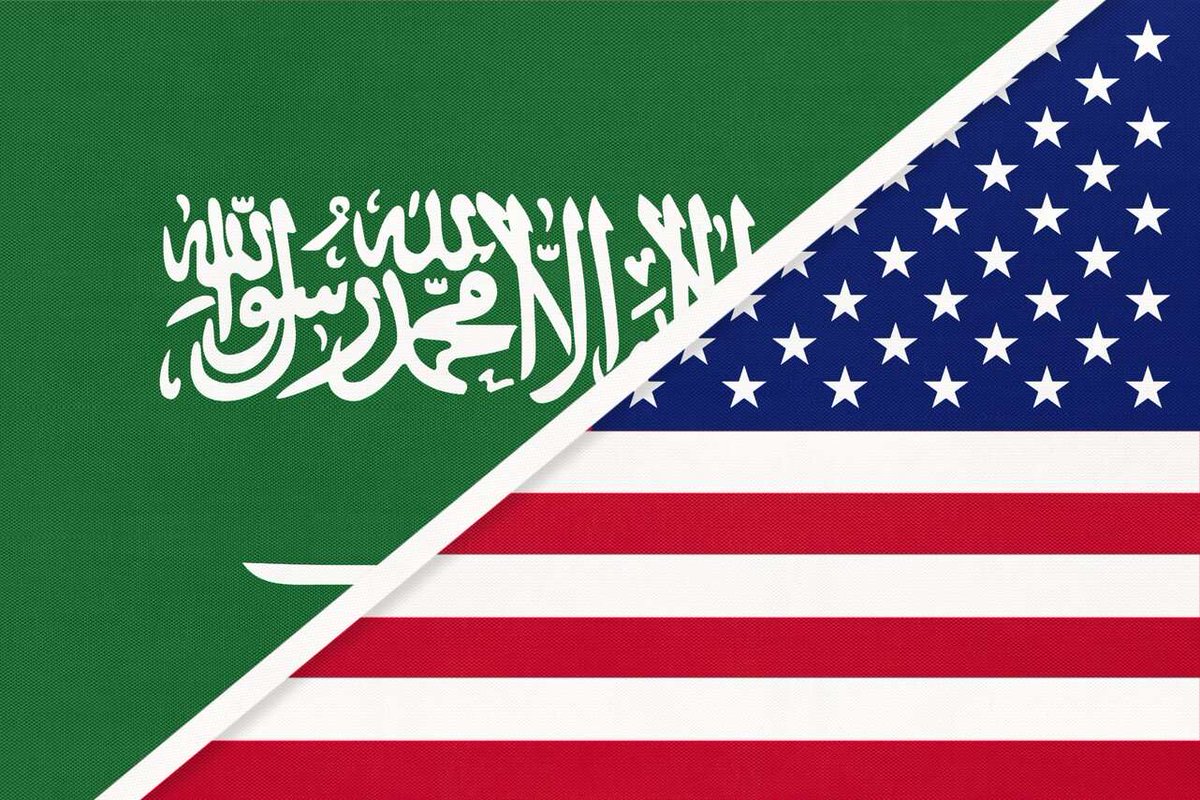
The U.S. State Department issued a public advisory on October 5 urging American citizens in Saudi Arabia to exercise caution amid warnings of potential unmanned aerial vehicle or missile attacks. The alert was distributed via official channels and reported by conflict monitoring sources. The statement did not specify a timeline for the threat or identify a particular attacker, but reflected heightened concern over regional security conditions.
Context and assessment
The warning reflects intensifying Houthi-Saudi tensions in the Red Sea and Arabian Peninsula. Recent U.S. statements on October 5 affirmed Saudi Arabia's right to self-defense against Houthi aggression and noted Pentagon concerns about munitions depletion following Operation Rough Rider in March 2025. The alert coincides with U.S. endorsement of Saudi-led operations and discussion of the Mecca Defense Alliance as a potential NATO-equivalent structure. The advisory suggests U.S. assessment that drone and missile threats from non-state actors remain credible despite previous Saudi air defense measures.
Sources and confidence
The report originated from X (@ConflictTR), a conflict monitoring account, citing U.S. State Department communications. Single-source reporting limits independent verification; no cross-confirmation from mainstream U.S. media outlets was noted in available data. The confidence score of 6.0 reflects the official nature of State Department alerts but the lack of secondary corroboration. Additional confirmation from State Department press releases or embassy statements would strengthen confidence.
Location
The advisory applies to Saudi Arabia as a country rather than a specific locality. The geographic scope encompasses the entire kingdom, historically a target for Houthi drone and missile operations. Key vulnerable areas include Riyadh, the capital and economic center, and coastal regions in the Red Sea facing Yemen.
Related events nearby
- U.S. envoy Massad Boulos met Sudanese army chief Al-Burhan in Egypt, reaffirming Washington's commitment to a 2026-10-06 08:39 UTC · Diplomacy · Washington, D.C., USA
▶ View this event on the live map
Intel Mapper aggregates open-source reports from monitored Telegram and X channels, geolocates them, cross-checks duplicates across sources and assigns a confidence score. Entries are updated as new confirmations arrive. Read how we verify events.