Ukrainian ground robot intercepts Russian FPV drone in mid-air collision
What happened
A Ukrainian ground-based robotic system reportedly collided with and knocked down an incoming Russian first-person-view (FPV) kamikaze drone, according to a post on X by OSINT613 on October 8. The incident demonstrates an unconventional defensive tactic using mobile robotics to neutralize aerial threats. No location within Ukraine was specified in the report, and no details were provided regarding the outcome of the engagement or damage assessment.
Context and assessment
The use of FPV drones by Russian forces for precision strikes against Ukrainian positions has intensified throughout 2026, forcing Ukrainian defenders to develop countermeasures beyond traditional air defense systems. Ground-based interception using mobile platforms represents an experimental approach to the proliferation of low-cost, hard-to-detect drone threats. This tactic aligns with broader Ukrainian efforts to adapt offensive and defensive systems using remotely operated and autonomous platforms. Related Ukrainian airborne operations on the same day indicate sustained counter-offensive pressure, suggesting this may reflect broader tactical innovation amid sustained combat intensity rather than an isolated incident.
Sources and confidence
Single source: X account @Osint613. No cross-confirmation from other OSINT channels, military statements, or news outlets has been identified. Confidence score of 6.0 reflects the plausibility of the tactic and credibility of the source, but lack of independent verification, specific location data, and video evidence limits certainty. Official Ukrainian military confirmation or additional visual documentation would strengthen confidence.
Location
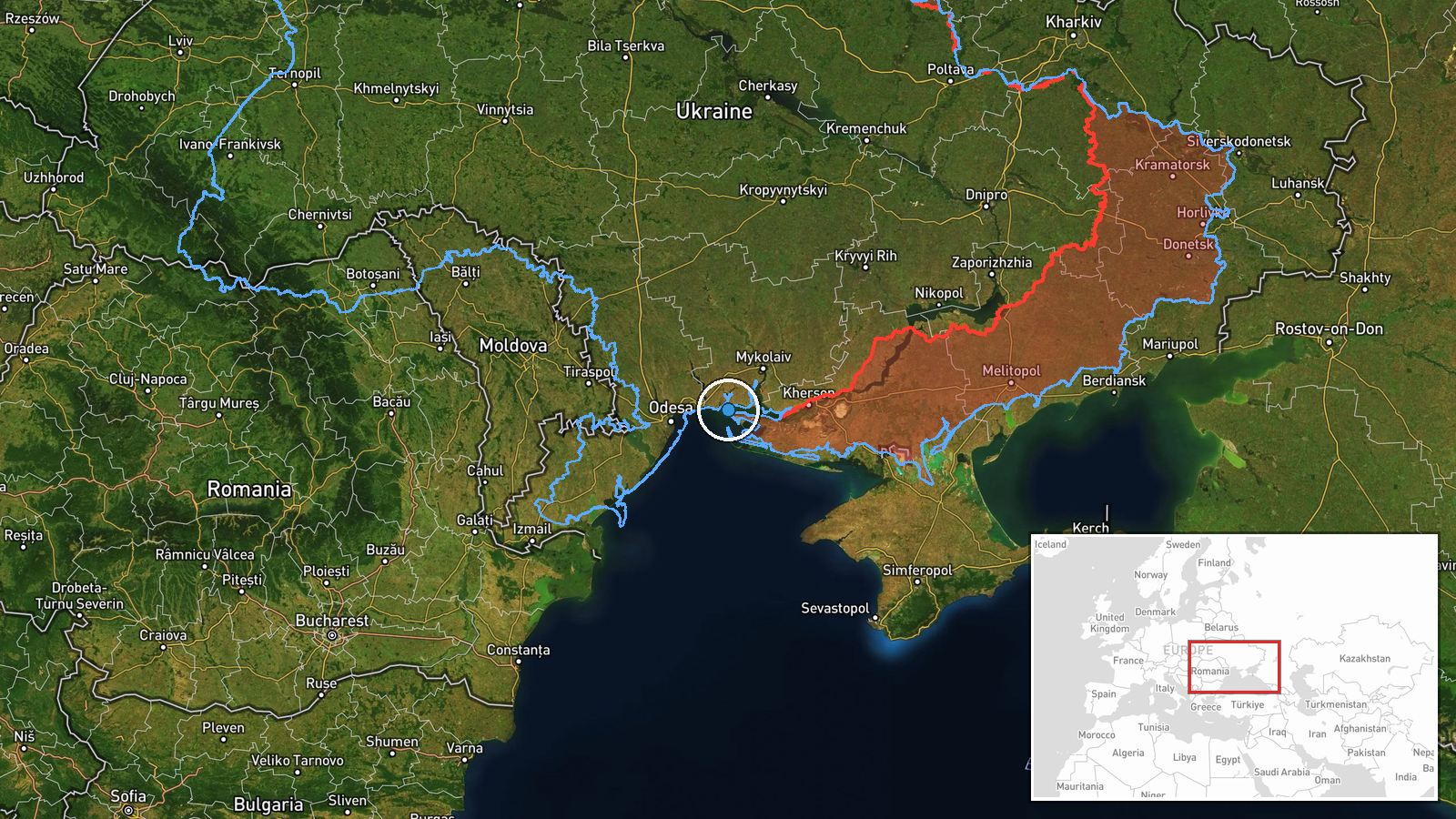
Approximate coordinates place the report within Ukraine's Dnipropetrovsk Oblast region, but precision is regional only. No specific settlement, military unit location, or facility was identified in the source material. The actual engagement location remains unconfirmed and may differ significantly from the calculated centroid.
Related events nearby
- Ukrainian airborne and assault forces continue systematic destruction of Russian occupying forces through targ2026-10-08 15:10 UTC · Combat · Ukraine (location not reported)
▶ View this event on the live map

Intel Mapper aggregates open-source reports from monitored Telegram and X channels, geolocates them, cross-checks duplicates across sources and assigns a confidence score. Entries are updated as new confirmations arrive. Read how we verify events.