Israel to restrict drone types in airspace for six months amid security concerns
What happened
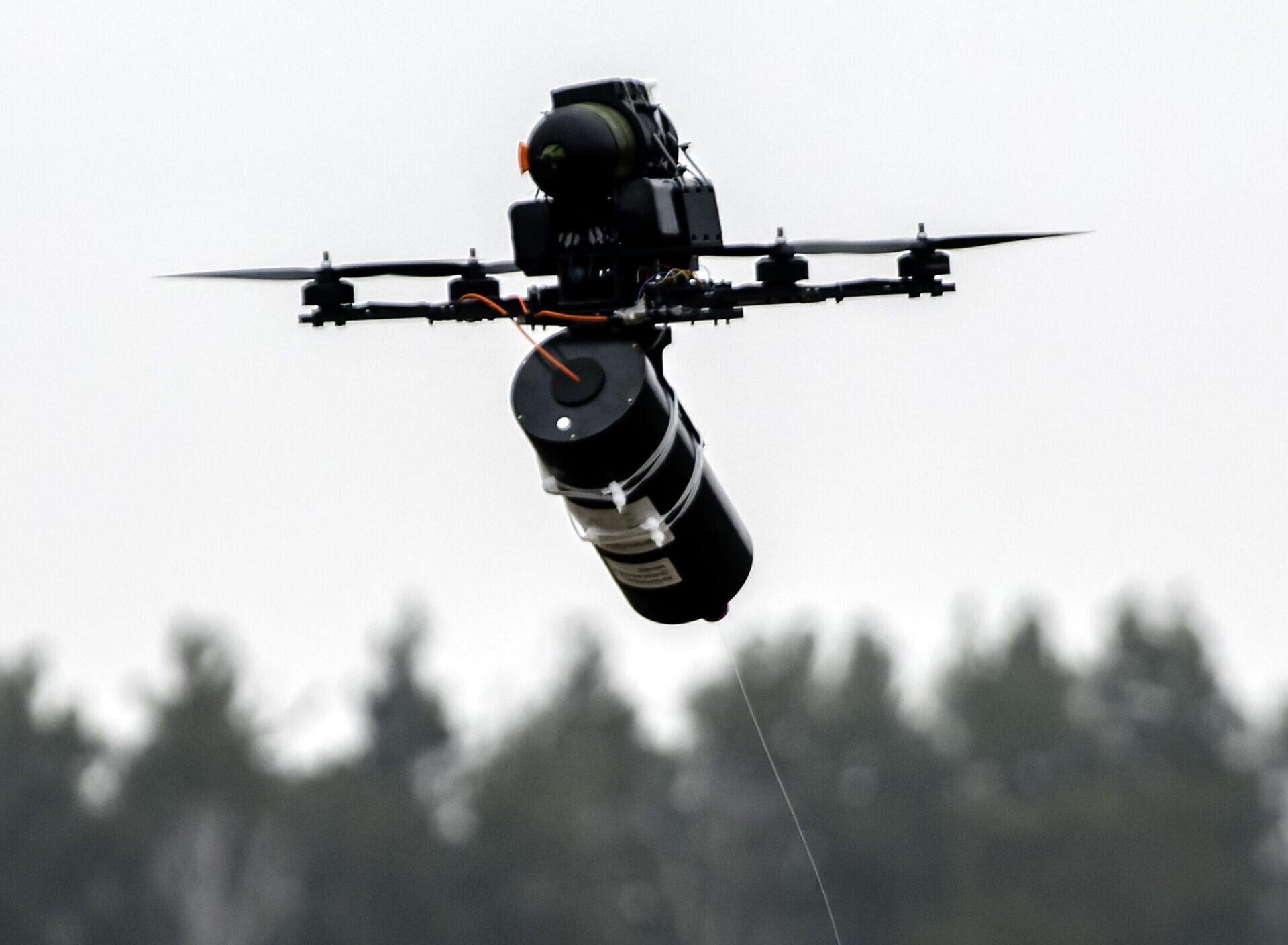
Israeli Defense Minister Israel Katz signed a security directive on Sunday restricting fiber-optic and SIM-controlled drones from Israeli airspace for six months. The security cabinet approved the measure, citing intelligence assessments of drone attacks, smuggling operations, and attempted assassination attempts against senior officials. Security forces and operators approved by the Civil Aviation Authority are exempt from the restrictions.
Context and assessment
The directive reflects Israeli concerns about drone-based threats following a pattern of attempted and completed aerial incursions. Recent statements from Israeli leadership indicate heightened focus on security vulnerabilities, including a reported incident at Ben Gurion Airport involving airspace screening procedures. The six-month restriction targets specific drone control systems—fiber-optic tethered and SIM card-based models—suggesting intelligence pointing to particular technical vulnerabilities or observed threat vectors. This administrative measure complements broader military policy discussions evident in concurrent statements by Israeli officials regarding operational priorities and regional security cooperation, particularly regarding threats from non-state actors in the region.
Sources and confidence
Reported by Telegram channel ClashReport and X account Osint613, both focusing on conflict analysis. The high confidence score of 8.0 reflects dual-source confirmation of an official government announcement. Confidence would increase with direct Defense Ministry publication or ministerial press statement; it would decrease if official channels contradicted the report or if implementation details proved inconsistent.
Location
Jerusalem, Israel, where the security cabinet convenes and defense policy decisions are formally approved. The directive applies to Israeli airspace nationwide, regulated through the Civil Aviation Authority. The restriction affects commercial and civilian drone operations across the country's territory.
Related events nearby
- Former Israeli Defense Minister Gadi Eisenkot declares he will not form a coalition with any Arab party in Isr2026-10-13 07:46 UTC · Statement · Jerusalem, Israel
- Former Israeli Defense Minister Gadi Eisenkot states the war's objective was destroying Hamas's military and g2026-10-13 07:40 UTC · Statement · Jerusalem, Israel
- Netanyahu reportedly pushing through US mediators for Saudi permission to strike Houthi targets in Yemen, aimi2026-10-12 18:11 UTC · Statement · Jerusalem, Israel
- Israeli PM Netanyahu claims Hamas did not contact Israel before October 7 attacks because they knew he would r2026-10-12 16:06 UTC · Statement · Jerusalem, Israel
- Israeli airspace authorities denied entry to an Ethiopian Airlines cargo flight from Addis Ababa after detecti2026-10-12 17:09 UTC · Diplomacy · Ben Gurion Airport, Tel Aviv, Israel
▶ View this event on the live map

Intel Mapper aggregates open-source reports from monitored Telegram and X channels, geolocates them, cross-checks duplicates across sources and assigns a confidence score. Entries are updated as new confirmations arrive. Read how we verify events.