Aliyev states war 'not Azerbaijan's choice,' blames Armenia for conflict
What happened
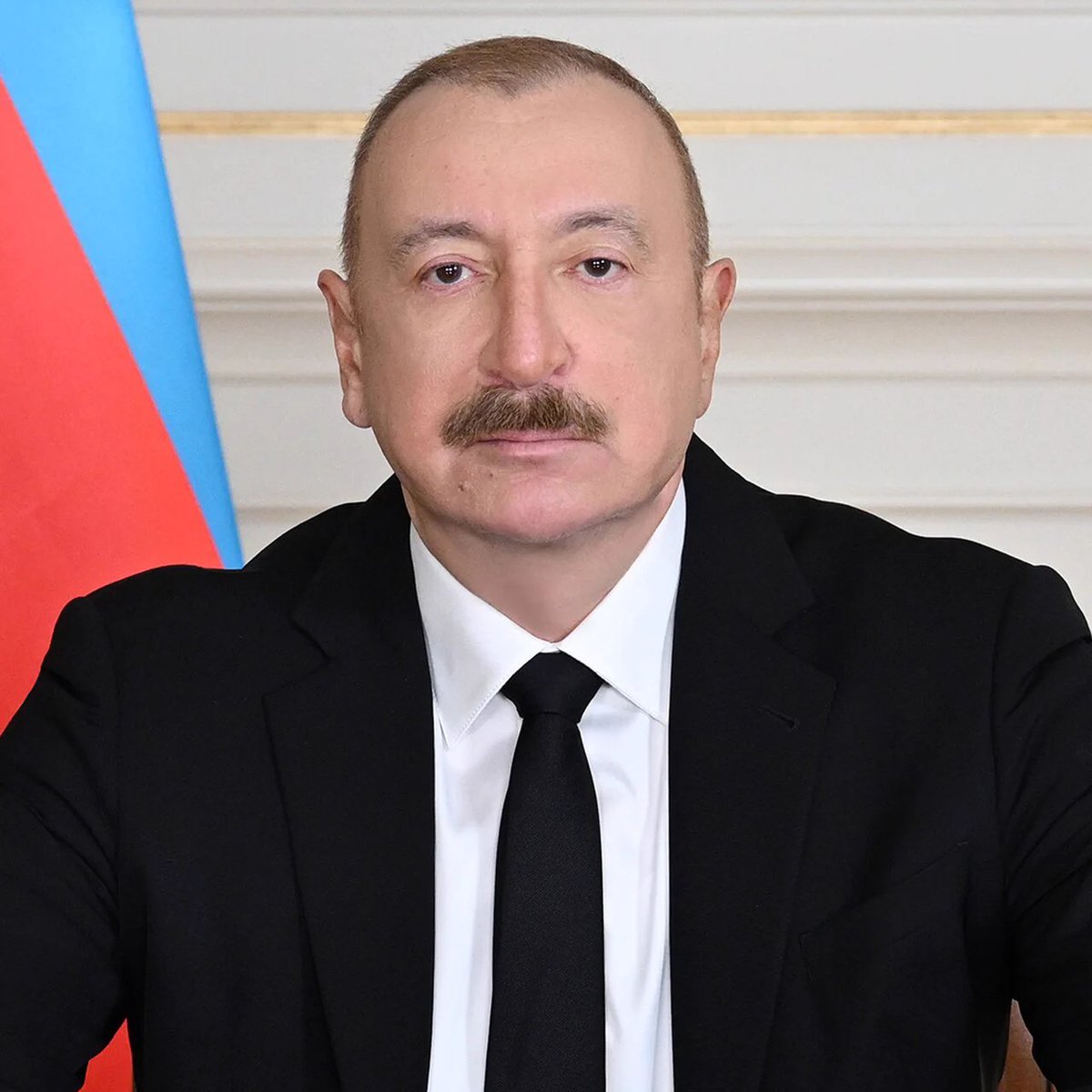
Azerbaijani President Ilham Aliyev issued a statement on October 15 asserting that war was not Azerbaijan's preferred course and that Armenia forced Azerbaijan into conflict. The statement was posted on social media and represents a standard political framing of conflict responsibility. No new military developments or immediate tactical claims accompanied the statement.
Context and assessment
Aliyev's statement comes amid heightened diplomatic activity in Baku, including Israeli President Herzog's visit on October 15 and Turkish Foreign Minister Fidan's presence at regional talks. These diplomatic movements suggest ongoing efforts to manage or resolve Azerbaijan-Armenia tensions, though such high-level engagement often occurs alongside political positioning by conflict parties. Mutual blame for war initiation is consistent with long-standing Azerbaijani and Armenian narratives regarding their recurring disputes over Nagorno-Karabakh and surrounding territories. The timing alongside international diplomatic visits indicates Aliyev may be reinforcing Azerbaijan's narrative to international audiences.
Sources and confidence
The statement was reported by X account @ConflictTR on October 15. Single-source reporting limits independent verification; the statement's authenticity depends on the reliability of this social media account. Confidence of 5.5 reflects the political nature of the claim rather than independent verification of facts. Corroboration from official Azerbaijani government channels or multiple independent outlets would increase confidence significantly.
Location
Baku, Azerbaijan, the capital and seat of presidential power, is the stated location. Baku sits on the western shore of the Caspian Sea in eastern Azerbaijan, approximately 92 kilometers from the Iranian border and roughly 300 kilometers west of the Nagorno-Karabakh region. As the political and administrative center, Baku is the standard venue for presidential statements.
Related events nearby
- Israeli President Herzog traveled to Baku aboard commercial AZAL flight via Turkish airspace, circumventing An2026-10-15 10:28 UTC · Diplomacy · Baku, Azerbaijan
- Israeli President Herzog held a rare public meeting with Bahrain's Foreign Minister in Azerbaijan near the Ira2026-10-14 15:45 UTC · Diplomacy · Baku, Azerbaijan
- Turkish Foreign Minister Hakan Fidan visited Baku, Azerbaijan to represent President Erdoğan at the 7th CICA (2026-10-14 19:26 UTC · Diplomacy ·
▶ View this event on the live map

Intel Mapper aggregates open-source reports from monitored Telegram and X channels, geolocates them, cross-checks duplicates across sources and assigns a confidence score. Entries are updated as new confirmations arrive. Read how we verify events.