UNICEF says 12 children killed in drone attacks in Khartoum and West Kordofan, Sudan
What happened
UNICEF, as relayed in a Radio Dabanga post reproduced on X, reports that 12 children have been killed in drone attacks in Khartoum and West Kordofan, Sudan. The item was posted on 21 October 2026 at 08:07 UTC by the account @sudanwarmonitor, which shared the Radio Dabanga text in Arabic. The Arabic wording attributes the figure to UNICEF and describes the deaths as resulting from unmanned aerial vehicle attacks in Khartoum and western Kordofan. The post does not give dates, individual incidents, the number of strikes, or who launched the drones, and the actor field is recorded as unknown. The casualty figure therefore rests on a UNICEF statement passed along secondhand rather than on a direct local account or independent count.
Context and assessment
Khartoum is Sudan's capital and sits where the White and Blue Niles meet, with Omdurman and Bahri across the river, so it is a dense urban area where any drone strike carries high civilian risk. The Sudanese Armed Forces and the Rapid Support Forces have fought over the capital and its surroundings since April 2023, and aerial and drone strikes have been used by both sides in populated areas. West Kordofan lies in western Sudan, far from Khartoum, so a single UNICEF figure covering both places suggests a wider pattern of drone use across the country rather than one incident. The most relevant related item is a statement logged about ninety minutes earlier, at 06:55 UTC, in which Burhan reportedly attacked allied political forces in Somoud, rejected negotiations until the RSF disarms, and vowed to continue the war until the rebellion is eliminated. That rhetoric points to no near-term political track and suggests continued military escalation, though it does not establish who launched these drones. Drones of this kind are relatively cheap and widely available, so the attribution gap matters and the report should not be read as identifying a side.
Sources and confidence
The item was reported by a single channel, the X account @sudanwarmonitor, which reproduces a Radio Dabanga post quoting UNICEF. No second outlet, UNICEF release, or independent monitor in the event record confirms the figure, and the source count is one. The confidence score of 6.0 reflects a credible institutional attribution relayed secondhand, offset by the lack of independent corroboration and the missing details on dates and incidents. Confidence would rise if UNICEF published the statement directly or if Radio Dabanga, Sudanese health authorities, or wire agencies reported matching figures with incident dates and locations. It would fall if the quote could not be traced to its original source or if the figure were revised.
Location
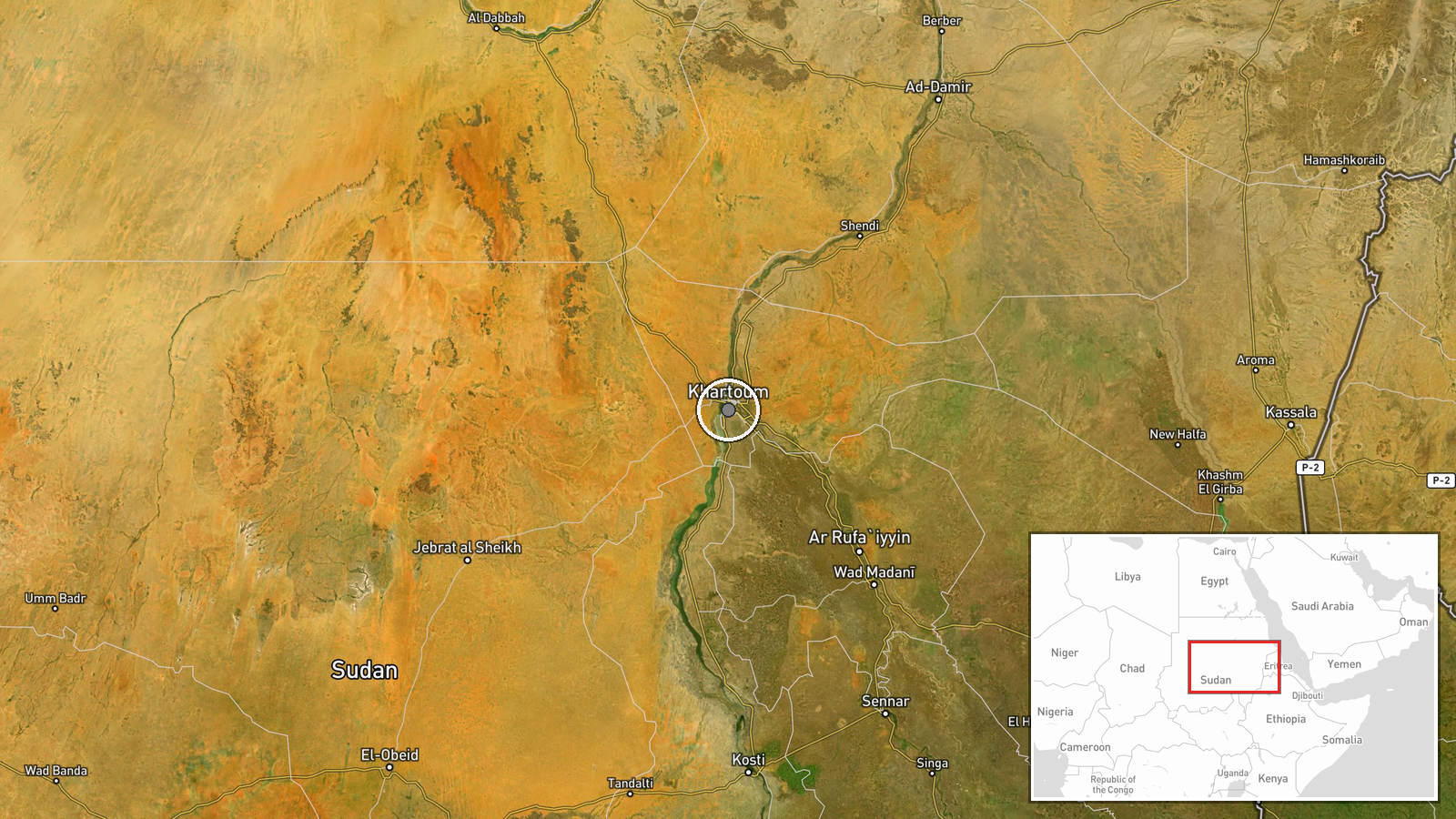
The coordinates place the event at Khartoum, Sudan, at region-level precision, with high location confidence in the record. The point sits in the central Khartoum area near the confluence of the White and Blue Niles, a flat, densely built riverside setting. West Kordofan, named in the report, is not separately geocoded, so it is not mapped as its own point. The pin should be read as an approximate city reference rather than a specific strike site.
Related events nearby
- Burhan attacked allied political forces in 'Somoud', rejected negotiations until RSF disarms, and vowed to con2026-10-21 06:55 UTC · Statement · Khartoum, Sudan
▶ View this event on the live map

Intel Mapper aggregates open-source reports from monitored Telegram and X channels, geolocates them, cross-checks duplicates across sources and assigns a confidence score. Entries are updated as new confirmations arrive. Read how we verify events.