Unverified report says Putin ordered a major escalation of sabotage across Europe
What happened
A post from the account X (@WarMonitor3), timestamped 21 October 2026 at 08:14 UTC, reports that Vladimir Putin has ordered a major escalation of sabotage operations across Europe, citing the Wall Street Journal and describing the material as based on leaks. The source text is truncated, so the scope, target countries, timeline and any named operatives are not specified. The event is pinned to Moscow, Russia at settlement precision, which marks where the order is attributed to rather than where any sabotage took place. The item is classified as a report, not a confirmed attack. The summary's wording, 'further details pending,' indicates the desk has not yet seen the full article or any primary document.
Context and assessment
The claim fits a broader pattern that European governments have described since 2024: a series of arson, parcel, infrastructure and cyber incidents that officials have linked to Russian state services, often carried out through recruited low-level agents rather than declared operatives. If the report is accurate, it would signal a deliberate expansion of that approach, with sabotage used as deniable pressure on European states while Moscow maintains a diplomatic posture. The same day's related items point in parallel directions. Russian security services reportedly detained an 18-year-old accused of spying for Ukrainian intelligence, which shows the domestic counter-intelligence focus on perceived internal threats. Meanwhile the Kremlin, through spokesman Dmitry Peskov, repeated that its energy-ceasefire position is unchanged and that Ukraine needs a negotiator able to make decisions. These statements do not confirm or contradict the sabotage claim, and the desk does not treat them as linked. Operationally, a large escalation would most likely depend on loosely connected intermediaries, which would make it hard to attribute and easy to deny.
Sources and confidence
The event rests on a single channel, X (@WarMonitor3), with a source count of one and no cross-confirmation from other outlets or from the Wall Street Journal itself. The confidence score of 6.0 reflects a plausible, sourced claim that has not been verified against the original reporting. The attribution to the WSJ is second-hand, so the wording and scope of the underlying story remain unknown. Confidence would rise if the original WSJ article were located and matched the summary, or if European security officials or other major outlets independently reported the same directive. It would fall if the attribution cannot be traced, if the account corrects or withdraws the post, or if the claim is contradicted by named officials. The record is currently uncorrected.
Location
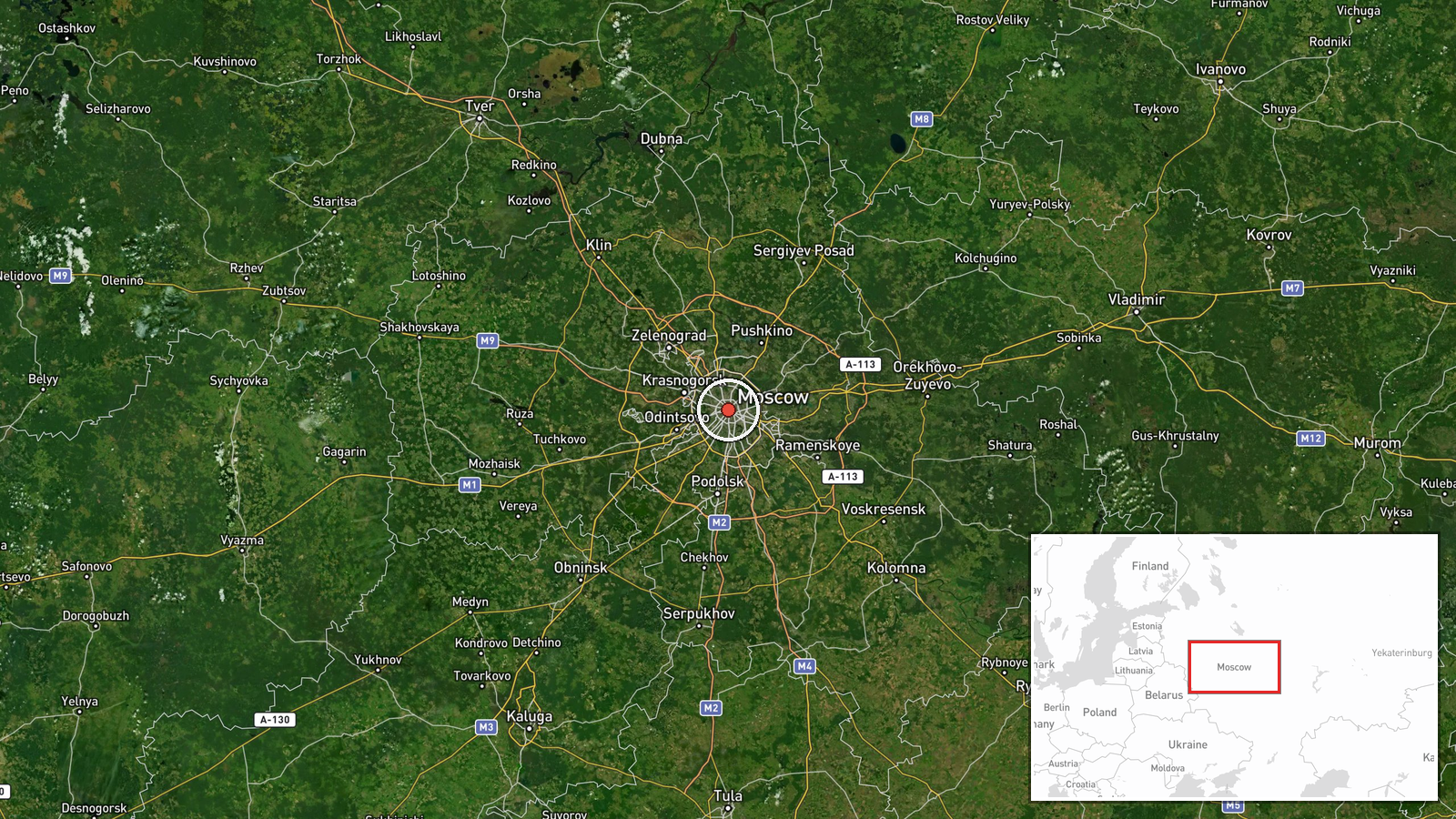
The location is Moscow, Russia, at settlement precision, using city-centre coordinates of approximately 55.76 N, 37.62 E. This is the capital and the seat of the Kremlin, which is where such an order would be attributed to, not a site of any reported sabotage. The Kremlin lies on the north-western bank of the Moscow River, adjacent to Red Square. No location confidence value was recorded, so the pin reflects the general capital rather than a specific building.
Related events nearby
- Russian Foreign Ministry calls Japan's drone supplies to Ukraine a hostile step and vows a response.2026-10-21 09:07 UTC · Statement · Moscow, Russia
- Putin told US envoy Steve Witkoff that Russia is prepared to help resolve the Iran issue, per Interfax.2026-10-21 09:05 UTC · Statement · Moscow, Russia
- Russian intelligence detained an 18-year-old allegedly spying for Ukrainian intelligence while walking with hi2026-10-21 06:55 UTC · Police Operation · Russia (location not reported)
- Kremlin spokesman Peskov says Moscow's energy-ceasefire stance is unchanged, Russia needs peace not a truce, a2026-10-21 06:52 UTC · Statement · Moscow, Russia
- Kremlin says Ukraine needs a legitimate negotiator at the table who can make decisions to end the conflict.2026-10-20 09:37 UTC · Statement · Moscow, Russia
▶ View this event on the live map

Intel Mapper aggregates open-source reports from monitored Telegram and X channels, geolocates them, cross-checks duplicates across sources and assigns a confidence score. Entries are updated as new confirmations arrive. Read how we verify events.