Israel reportedly drafts Lebanon ground offensive plans should Hezbollah join an Iran war
What happened
On 2 November 2026, an X account posting as @Osint613 reported, citing the Emirati outlet Erem News, that Israel is preparing military contingency plans in case Hezbollah joins a new war alongside Iran. The reported plans include occupying major cities in southern Lebanon, a ground advance north of the Awali River, a siege of Beirut's airport and ports, and extensive destruction in Beirut's Dahiyeh district. The original post says the plans were 'allegedly' drawn up and attributes the account to the outlet. It adds that Lebanese officials have received new U.S. diplomatic warnings about the consequences of Hezbollah entering such a conflict. No Israeli or Lebanese official is quoted directly in the material available.
Context and assessment
The report sits within a cluster of related items from the previous day that point to the same scenario. Maariv reportedly said Israel plans to blockade the Beirut and Tripoli ports and seize Tyre, Sidon and Nabatieh if Hezbollah joins fighting, which overlaps closely with the cities and infrastructure named here. Separately, Netanyahu is reportedly pressing Trump to resume strikes on Iran after the US midterms, while Trump prefers more time for diplomacy. Israeli Channel 12 estimated that Iran holds about 1,700 ballistic missiles able to reach Israel, along with thousands of shorter-range missiles and roughly 80,000 drones, which helps explain why Israeli planners would consider a multi-front scenario. Ben-Gvir's remarks about expelling residents from an unspecified area are a separate statement and should not be read as part of the military planning. Taken together, the items suggest that contingency thinking about Lebanon is being discussed in Israeli and US circles, but none of the related items independently confirms that formal orders exist. Operationally, a Lebanon front would most likely be shaped by ports, airports and dense urban areas, which is why the report focuses on them. Contingency plans of this kind are common in military planning, so their existence alone does not imply imminent action.
Sources and confidence
The event rests on a single channel, X (@Osint613), which relays a report from Erem News. No second outlet in the dataset independently confirms the specific operational details. The related Maariv item is broadly consistent in describing blockade and seizure planning, but it is classified as a statement from a different outlet and does not verify the Erem account. The confidence score of 5.9 is low because it depends on one secondary relay of an unnamed-source claim with no primary documents. Confidence would rise if Erem News, Israeli or Lebanese media, or Western agencies reported the same details with named or documented sourcing. It would fall further if Israeli officials denied the planning or if the reporting could not be traced to the original outlet.
Location
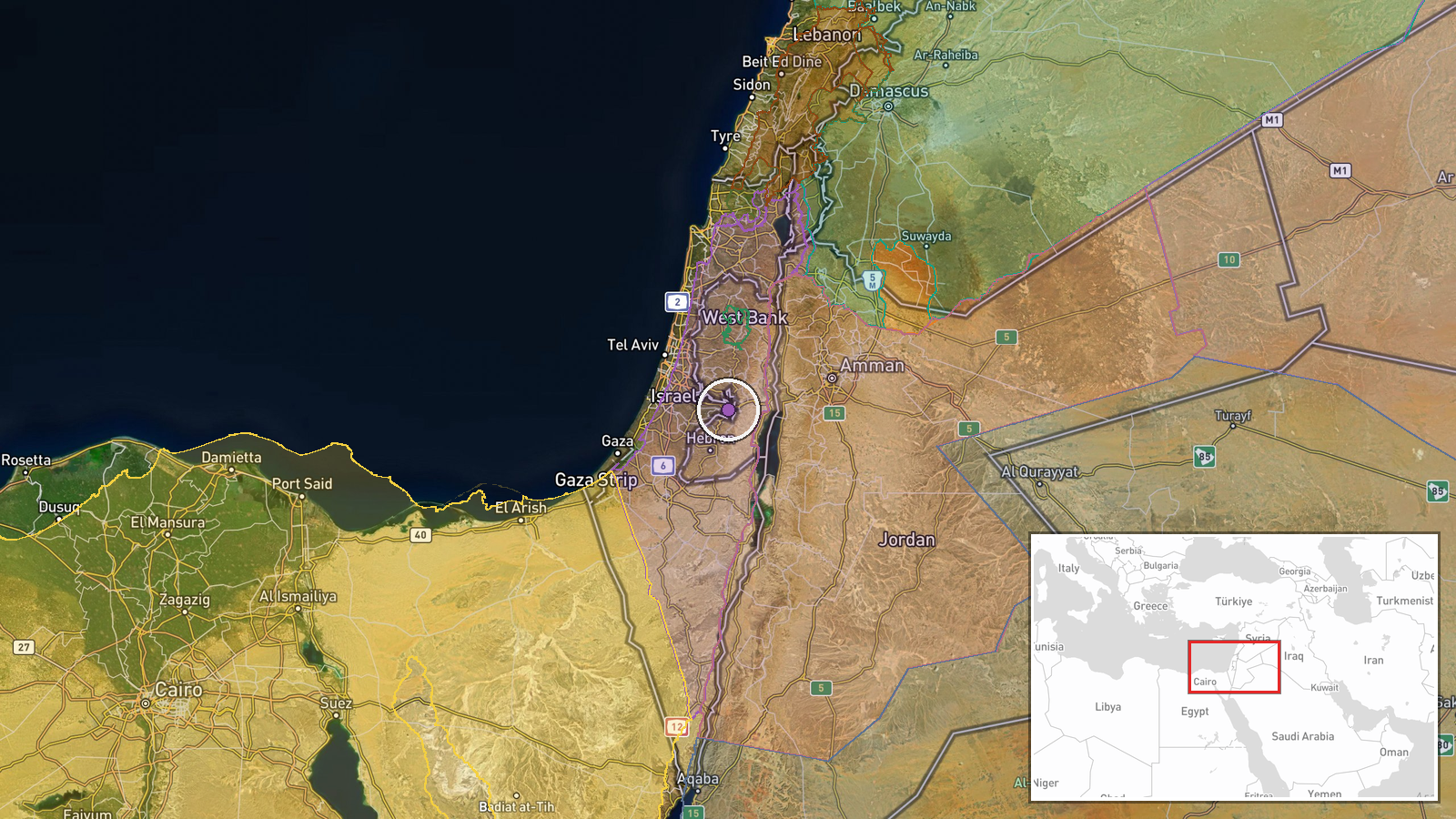
The location field reads Jerusalem, Israel, at settlement precision, with coordinates for the city centre. This is the reported origin of the Israeli planning story, not the site of any military activity. The relevant geography lies in southern Lebanon and Beirut. The Awali River flows west from the mountains to the Mediterranean north of Sidon, and it marks a natural boundary in the reported advance. Dahiyeh is the dense southern suburb of Beirut, close to the airport and the port area.
Related events nearby
- Ben-Gvir says he long favored expelling everyone from the area, while stating that residents deemed deserving 2026-11-01 21:18 UTC · Statement · Jerusalem, Israel
- Maariv reports Israel plans to blockade Beirut and Tripoli ports and to seize Tyre, Sidon and Nabatieh if Hezb2026-11-01 18:58 UTC · Statement · Jerusalem, Israel
- Israeli Channel 12 estimates Iran has about 1,700 ballistic missiles able to reach Israel, plus thousands of s2026-11-01 18:21 UTC · Report · Jerusalem, Israel
- Netanyahu is pressing Trump to resume strikes on Iran right after the US midterms; Trump prefers more time for2026-11-01 18:08 UTC · Statement · Jerusalem, Israel
- Israelis reportedly stole a flock of sheep belonging to a Palestinian shepherd in the occupied West Bank.2026-11-02 07:55 UTC · Security · West Bank, Palestine
▶ View this event on the live map

Intel Mapper aggregates open-source reports from monitored Telegram and X channels, geolocates them, cross-checks duplicates across sources and assigns a confidence score. Entries are updated as new confirmations arrive. Read how we verify events.