Houthi attacks escalate as maritime threats persist; Ukraine sustains high operational tempo
Key developments
- Panama-flagged tanker struck mine in Strait of Hormuz with two million barrels Saudi crude; U.S. forces intercepted Iranian blockade-running vessel in Gulf of Oman.
- UN condemned October 9 Houthi ballistic missile strike on Riyadh airport that killed 12 civilians; Saudi-led coalition responded with intensive airstrikes on Taiz frontline.
- Ukraine conducted overnight UAS strike on Yandex data centre in Vladimir Region, reportedly damaging facility operations and power infrastructure.
- Russian forces conducted 1 rocket strike, 73 airstrikes with 255 guided bombs, and deployed 8,444 kamikaze drones across Ukrainian positions (Day 1691).
- Regional maritime threats in Persian Gulf persist despite interdiction efforts; Houthi capability to strike distant Saudi targets remains operational.
Middle East 4 tracked events
The Persian Gulf region experienced multiple security incidents on October 11 reflecting sustained maritime and air threats. A Panama-flagged tanker carrying two million barrels of Saudi crude oil struck a mine in the Strait of Hormuz, though initial reports indicate no major damage or casualties. Concurrently, U.S. naval forces intercepted a commercial vessel in the Gulf of Oman attempting to breach Iran-related maritime restrictions, highlighting continued efforts to enforce regional shipping controls. These incidents underscore persistent navigation hazards and enforcement operations in one of the world's most critical energy transit corridors.
Houthi militant activity remained elevated, with the UN Secretary-General condemning a ballistic missile attack on Riyadh's King Khalid International Airport on October 9 that killed 12 civilians and wounded hundreds. The attack represents one of the most significant Houthi strikes against Saudi territory in recent weeks and triggered an intensified Saudi-led coalition response. Coalition forces conducted intensive airstrikes against Houthi military positions along the Taiz frontline in Yemen, targeting rebel concentrations as part of ongoing counter-insurgency operations. This escalation cycle reflects the volatile state of the Yemen conflict and continues to demonstrate Houthi capability to strike distant targets despite years of coalition pressure.
The coordination between maritime threats, drone and missile attacks, and airstrike responses indicates a multi-domain operating environment in the region. Houthi forces have demonstrated persistent ability to conduct complex operations spanning maritime interdiction, ballistic missile strikes, and asymmetric warfare despite sustained coalition military pressure. The scale and coordination of these activities suggest operational planning and resource allocation focused on Saudi Arabia and regional shipping infrastructure. Ongoing maritime incidents raise questions about the effectiveness of current blockade and interdiction measures, with implications for energy market stability and regional security trajectories.
- Panama-flagged tanker carrying 2 million barrels of Saudi crude oil struck a mine in the Strait of Hormuz. No
- UN Secretary-General António Guterres condemns Houthi ballistic missile attack on King Khalid International Ai
- Intensive airstrikes commenced against Houthi positions along the Taiz frontline. Saudi-led coalition air camp
- U.S. military intercepted a Panamanian-flagged commercial ship in the Gulf of Oman attempting to breach the Ir
Ukraine 2 tracked events
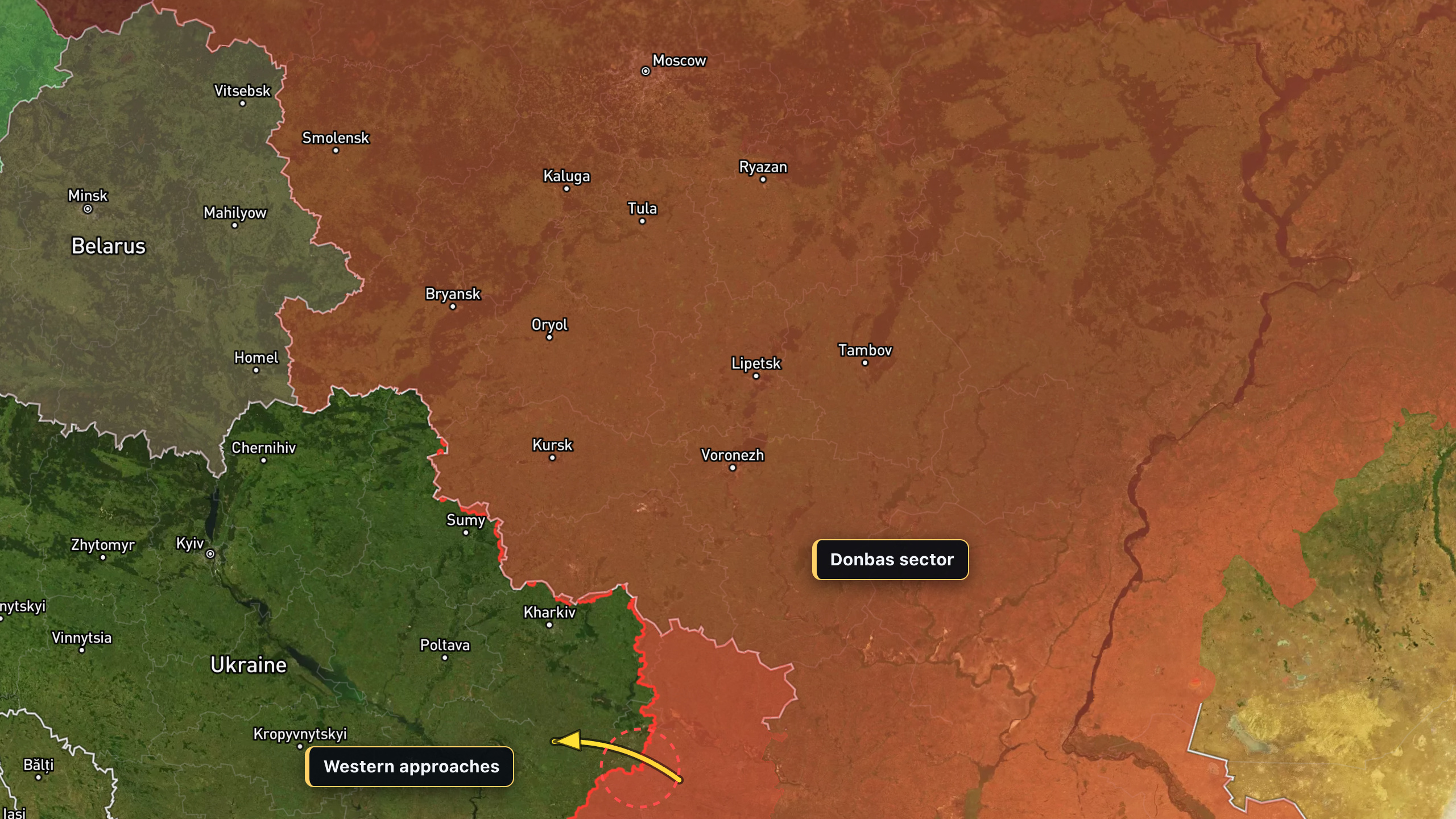
Ukrainian forces maintained intensive strike operations against Russian territory on October 11, conducting a significant overnight strike on a Yandex data centre in Vladimir Region. The facility, serving as critical infrastructure for Russian operations, reportedly sustained operational damage with infrastructure and power substations destroyed. Civilian evacuation was reported from the area. This strike reflects Ukraine's continued capability and willingness to conduct deep strikes into Russian territory, targeting dual-use facilities with both military and civilian applications.
Russian forces sustained their comprehensive air and drone offensive across Ukrainian territory, conducting one rocket strike, 73 airstrikes using 255 guided bombs, and deploying 8,444 kamikaze drones according to Ukrainian General Staff reporting on Day 1691 of the conflict. This attack volume represents the sustained attrition warfare strategy Russia has employed throughout 2026, maintaining continuous pressure across multiple fronts through massed drone and missile barrages. The scale of drone deployment particularly underscores the prevalence of cheap, expendable UAV systems in current operations.
The operational picture reflects a grinding attritional conflict with both sides maintaining offensive capability despite years of sustained combat. Ukraine continues demonstrating strategic strike range and precision targeting of Russian infrastructure, while Russian forces leverage numerical advantages in drones and artillery to maintain constant pressure. The reciprocal nature of deep-strike operations and the persistence of both sides' offensive postures suggest the conflict remains at high operational intensity without indication of immediate stalemate or resolution. Casualty and equipment replacement rates remain critical determinants of sustainability for both forces.
What to watch
Monitor for Saudi coalition response scale and any escalation of Houthi missile capabilities in coming 48 hours. Observe maritime incident patterns in Strait of Hormuz and Persian Gulf for broader interdiction trend assessment. Track Ukrainian strike follow-up targeting and Russian air defense response effectiveness. Watch for civilian casualty reporting from both regional theaters and potential international diplomatic responses to escalation patterns. Assess whether deep-strike exchanges between Ukraine and Russia signal new targeting doctrines or resource availability changes.