Ukrainian Osa system intercepts Russian Shahed-136 drone over Kharkiv Oblast
What happened
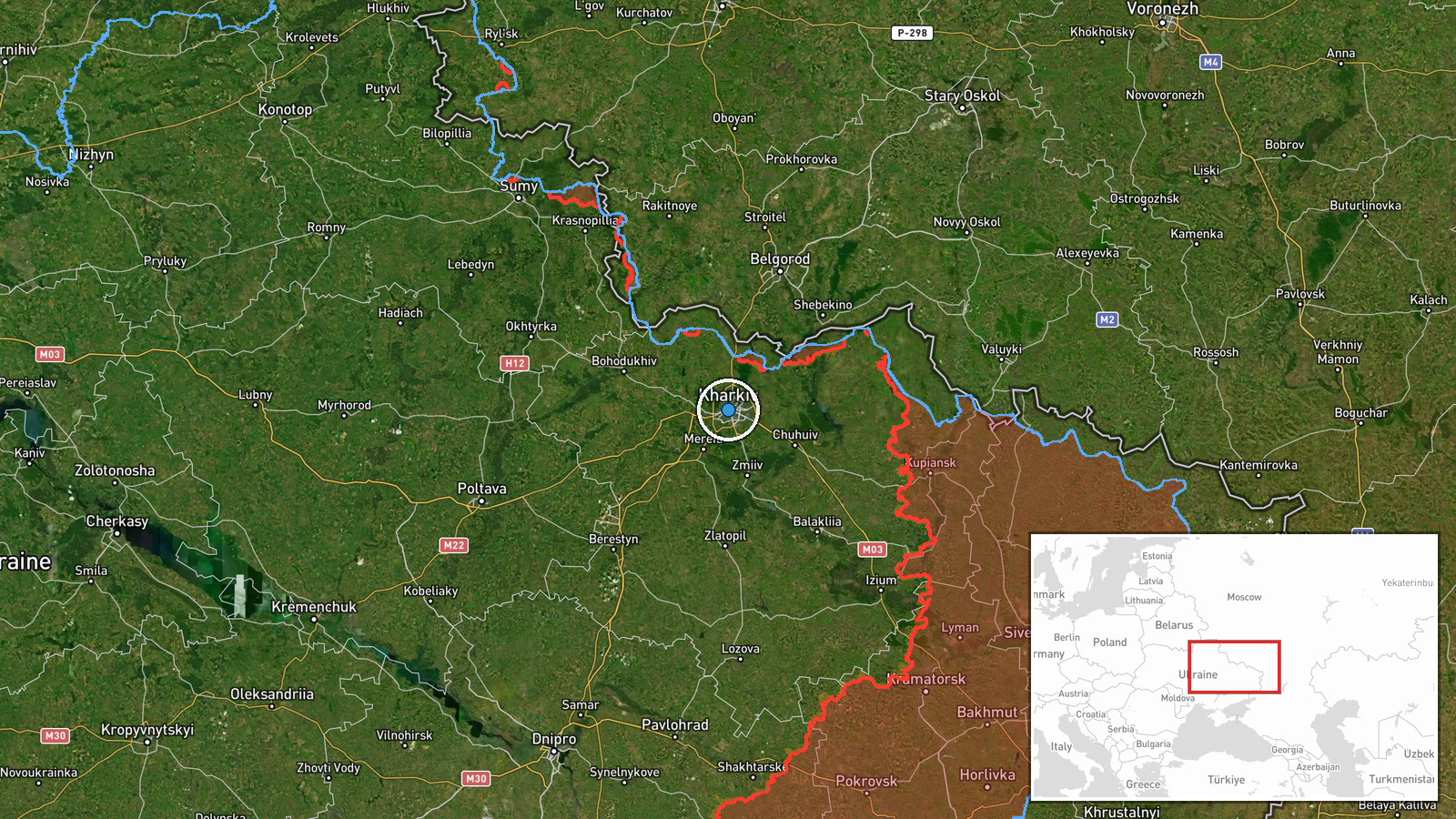
A Ukrainian Osa air defense system reportedly intercepted a Russian-made Shahed-136 unmanned aerial vehicle over Kharkiv Oblast on September 10. The report was posted on X by the Conflict Turkey account. Shahed-136 drones are Iranian-designed loitering munitions that Russia has deployed extensively throughout the conflict. The interception represents one engagement within the broader pattern of nightly Russian drone strikes across Ukrainian territory.
Context and assessment
Kharkiv Oblast, bordering Russia to the north and east, has remained under sustained drone pressure as part of Russia's ongoing campaign of attrition against Ukrainian civilian and military infrastructure. The Osa system, a tracked air defense platform capable of engaging aircraft and drones at low to medium altitude, represents Ukraine's layered defensive posture. The timing follows a reported Shahed strike on Sumy city the previous day, which killed at least two civilians and wounded fourteen others. These consecutive drone operations suggest Russia continues rotating its aerial assault across multiple Ukrainian regions, exploiting the need to divide Ukrainian air defenses across a broad front.
Sources and confidence
Single source: X account @ConflictTR. No cross-confirmation from Ukrainian official channels or independent outlets in provided data. Confidence score of 6.0 reflects the solitary report and lack of additional verification. Confirmation from Ukrainian Air Force or regional military administration statements would strengthen confidence; visual evidence of the engagement would provide definitive corroboration.
Location
Kharkiv Oblast, eastern Ukraine, determined to regional precision. The oblast borders Russia directly along its northern frontier and encompasses the city of Kharkiv, Ukraine's second-largest metropolitan area, approximately 40 kilometers from the Russian border. This region has been a consistent focus of Russian drone operations throughout 2026.
Related events nearby
- Russian FPV and kamikaze drones targeted Ukrainian unmanned ground vehicles (UGVs). Ongoing Russian drone camp2026-09-10 00:30 UTC · UAS Strike · Kharkiv Oblast, Ukraine
- Two Russian Shahed-136 jet-powered kamikaze drones detected transiting Sumy Oblast and city of Sumy. Ukrainian2026-09-10 11:37 UTC · Drone Transit · Sumy, Sumy Oblast, Ukraine
▶ View this event on the live map
Intel Mapper aggregates open-source reports from monitored Telegram and X channels, geolocates them, cross-checks duplicates across sources and assigns a confidence score. Entries are updated as new confirmations arrive. Read how we verify events.