Iran's Pezeshkian condemns targeting of civilian infrastructure, challenges adversaries
What happened
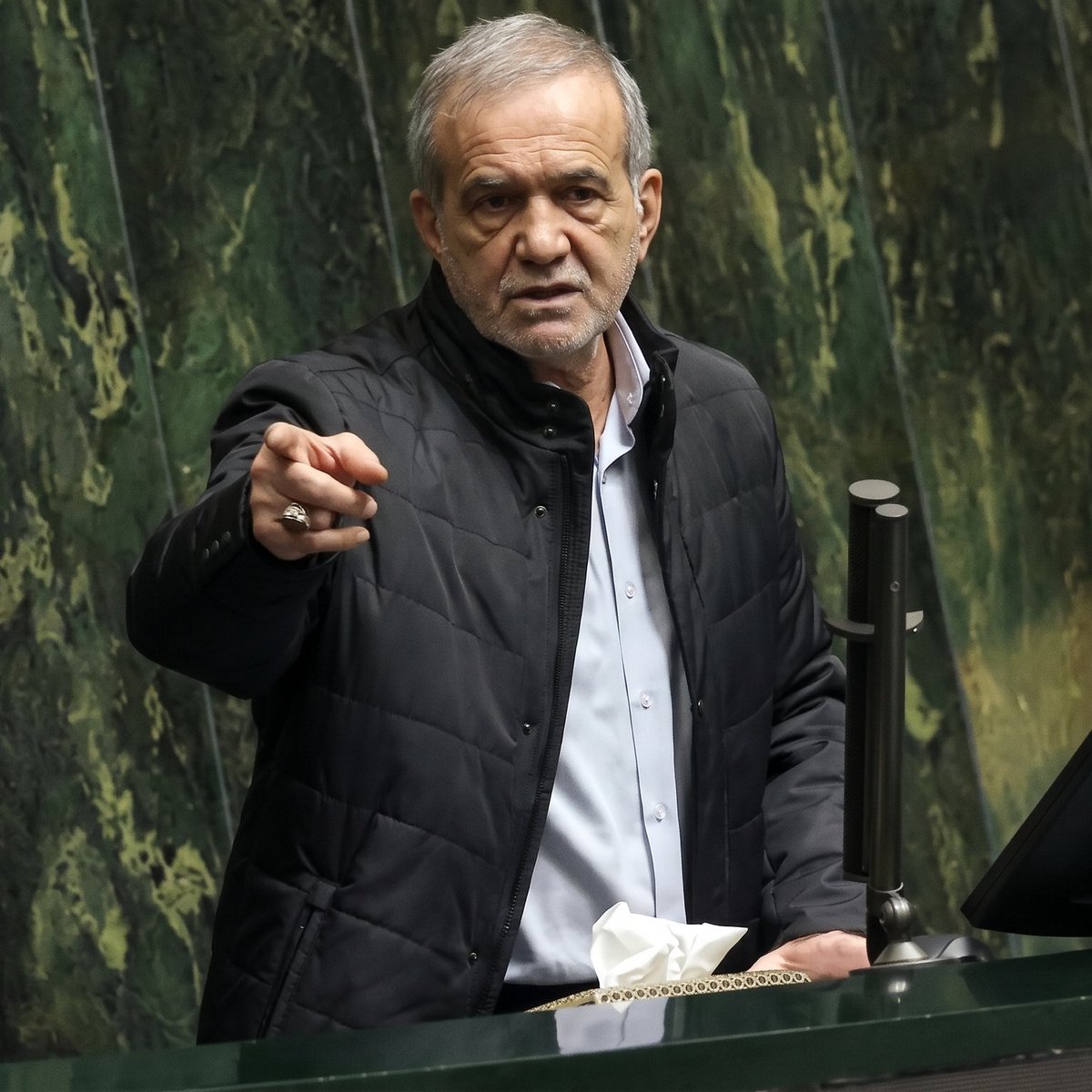
Iranian President Masoud Pezeshkian issued a statement on September 13 condemning what he characterized as attacks on civilian infrastructure, specifically water supplies, food sources, and medical access. He directly challenged the United States and unnamed adversaries, stating that if they claim military focus, they should confront Iran's armed forces directly rather than target non-combatants. The statement was reported via X by the account @ConflictTR and frames civilian infrastructure targeting as warfare against the population rather than military forces.
Context and assessment
The statement comes amid a series of remarks by Pezeshkian on September 13 accusing Israel and the U.S. of broader regional destabilization, including operations across Syria, Lebanon, Gaza, and Iraq. These statements reflect Iranian positioning following recent escalations in the region. Pezeshkian's challenge to direct military confrontation, combined with his framing of civilian infrastructure attacks as illegitimate, suggests Iran views itself as facing asymmetric pressure. The emphasis on civilian harm aligns with Iranian messaging patterns during periods of heightened tensions, though the specific incidents referenced are not detailed in the statement itself.
Sources and confidence
Reported by a single source, X account @ConflictTR, on September 13, 2026. Confidence is moderate due to single-source reporting, though the statement appears to be a direct quote from Iranian state messaging. Verification would be strengthened by confirmation from Iranian state media outlets or additional independent sources. Cross-confirmation from Reuters, AP, or official Iranian government channels would raise confidence.
Location
Tehran, Iran. The statement was issued from the Iranian capital, where Pezeshkian holds office. No specific facility or target location is mentioned; the statement addresses regional and strategic concerns rather than a discrete geographic incident.
Related events nearby
- Iranian President Pezeshkian calls on BRICS to play an active role in defending national sovereignty and terri2026-09-13 07:12 UTC · Statement · Tehran, Iran
- Iranian President Pezeshkian accuses Israel and the U.S. of manufacturing target lists to label citizens as te2026-09-13 06:27 UTC · Statement · Tehran, Iran
- Iranian President Pezeshkian equates Israel and the US as 'state terrorists,' accusing them of indiscriminate 2026-09-13 06:17 UTC · Statement · Tehran, Iran
- Iranian President Pezeshkian denies active conflict with Saudi Arabia and distances Iran from Houthi regional 2026-09-13 05:34 UTC · Statement · Tehran, Iran
- Turkish Foreign Ministry announces U.S. decision to extend arms embargo waiver on Cyprus (GKRY) for one additi2026-09-12 16:45 UTC · Statement ·
▶ View this event on the live map
Intel Mapper aggregates open-source reports from monitored Telegram and X channels, geolocates them, cross-checks duplicates across sources and assigns a confidence score. Entries are updated as new confirmations arrive. Read how we verify events.