Turkish media reports approximately 9,000 Israeli raids on Al-Aqsa Mosque compound in six days
What happened
Turkish state media outlet TRT Haber reported that Israeli forces conducted approximately 9,000 raids on the Al-Aqsa Mosque compound over a six-day period ending October 1, 2026. The report characterizes the operations as an escalation reflecting tensions over access to and control of the sacred site. No specific details regarding the nature of these raids, their duration, or their stated purpose were provided in the report.
Context and assessment
The Al-Aqsa Mosque compound in Jerusalem's Old City remains one of the world's most contested religious sites, claimed by both Israelis and Palestinians as central to their respective national and religious narratives. Israeli security operations at the site have historically triggered cycles of tension and protest. The reported scale of operations—approximately 9,000 incidents over six days—would represent a significant operational tempo if accurate. This report arrives amid a broader pattern of Israeli security statements on October 1, with Prime Minister Netanyahu making multiple public comments on Iran, Hezbollah, and Hamas, suggesting a period of heightened security posturing and messaging.
Sources and confidence
The report originates from Turkish state media TRT Haber, shared via social media on October 1, 2026. As a single-source report with no corroborating coverage identified, confidence remains moderate. Cross-confirmation from Israeli or Palestinian authorities, independent observers, or other media outlets would strengthen confidence. The substantial scale of the claim (9,000 operations) warrants particular scrutiny of source reliability and methodology.
Location
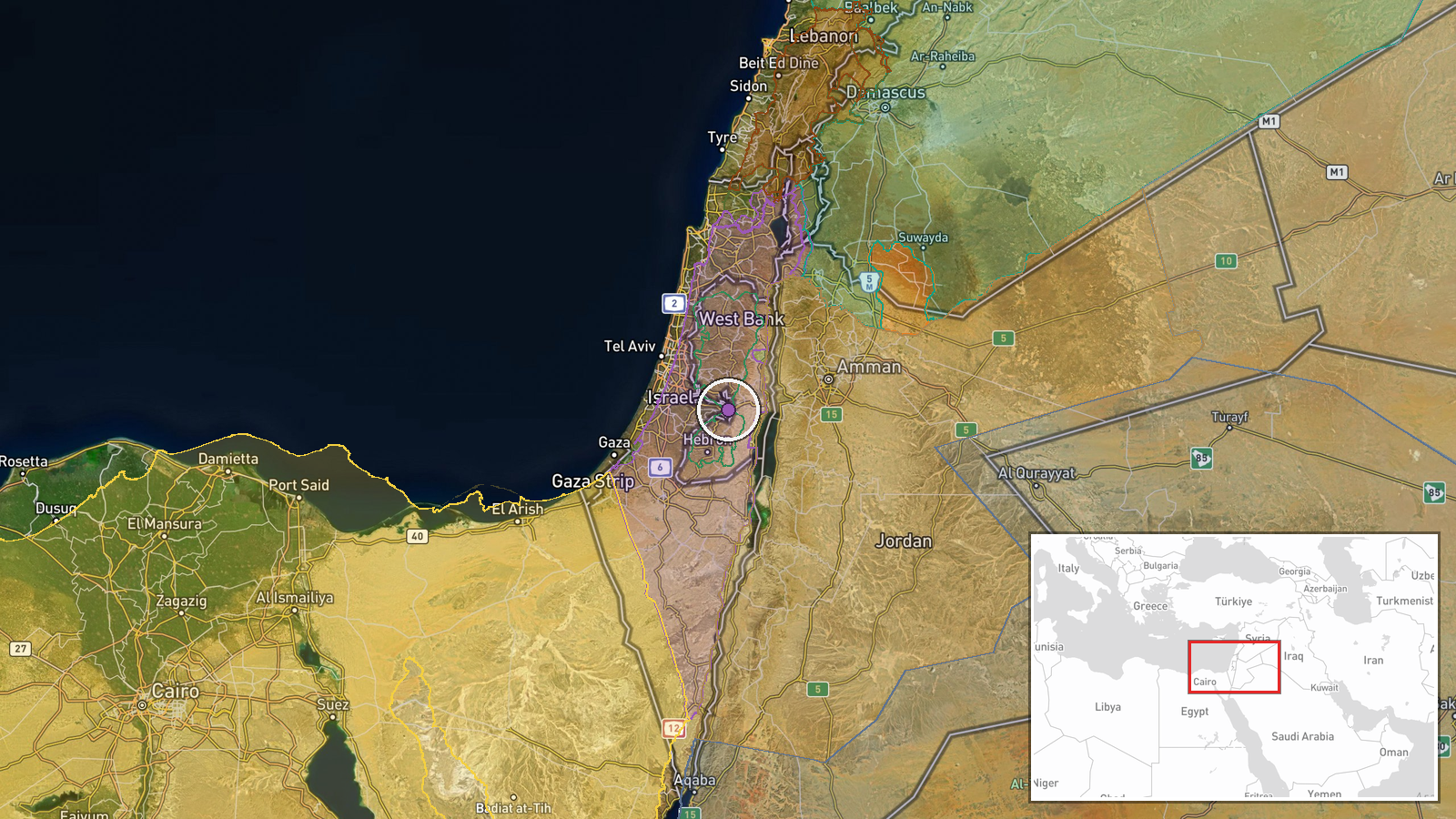
The Al-Aqsa Mosque compound occupies the southern portion of the Haram al-Sharif (Temple Mount) in Jerusalem's Old City, situated at approximately 31.776°N, 35.235°E. The compound encompasses the Al-Aqsa Mosque proper, the Dome of the Rock, courtyards, and associated structures. It is accessed via multiple gates and adjoins the Western Wall to the west and Palestinian residential areas to the south and east.
Related events nearby
- Israeli PM Netanyahu comments on Oman's late Sultan Qaboos as a missed normalization opportunity under the Abr2026-10-01 12:48 UTC · Statement · Jerusalem, Israel
- Netanyahu says Iran and its proxies intended to heighten terrorist attacks against Israel and Israelis abroad,2026-10-01 07:32 UTC · Statement · Jerusalem, Israel
- Netanyahu states that Lebanon would make peace with Israel immediately if Hezbollah were not present, reinforc2026-10-01 07:31 UTC · Statement · Jerusalem, Israel
- Netanyahu reiterates that Iran is a 'lunatic regime' and should not possess nuclear weapons, reinforcing Israe2026-10-01 06:46 UTC · Statement · Jerusalem, Israel
- Netanyahu claims Hamas deliberately placed civilians in danger, stating his uncertainty about U.S. security me2026-10-01 05:39 UTC · Statement · Jerusalem, Israel
▶ View this event on the live map
Intel Mapper aggregates open-source reports from monitored Telegram and X channels, geolocates them, cross-checks duplicates across sources and assigns a confidence score. Entries are updated as new confirmations arrive. Read how we verify events.