German Chancellor Merz visits Kyiv, announces €1.35 billion aid package
What happened
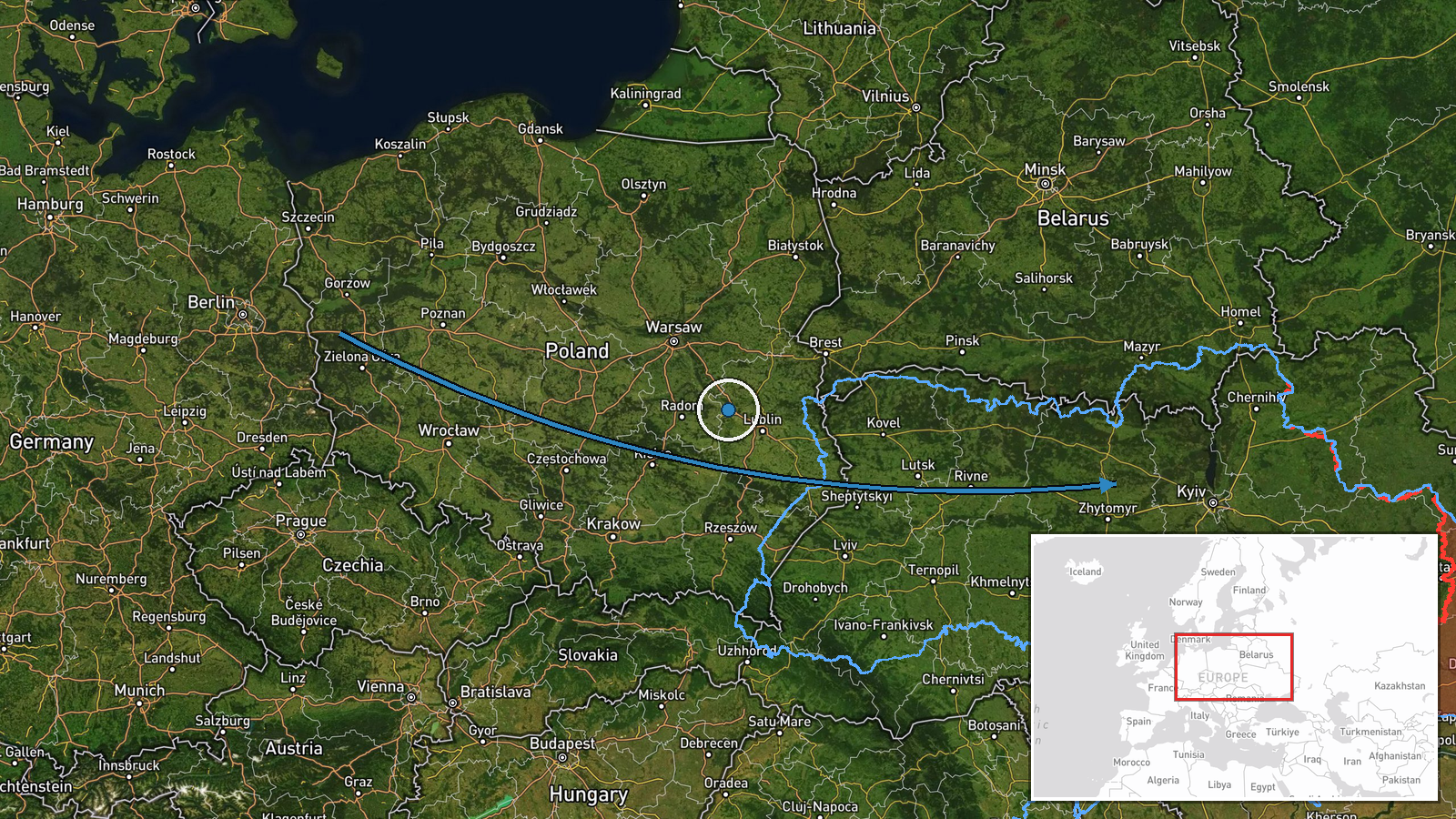
German Chancellor Friedrich Merz traveled to Kyiv on October 4 to announce a combined aid package totaling €1.35 billion for Ukraine. The package comprises €1 billion in military assistance and €350 million designated for energy sector support. According to Reuters reporting, the visit underscores continued German commitment to Ukraine's defense and reconstruction amid ongoing Russian attacks on critical infrastructure.
Context and assessment
The timing of Merz's visit coincides with an intensification of Russian strikes on Ukrainian energy infrastructure and civilian targets. Ukrainian President Zelensky has recently pledged retaliatory strikes against Russian oil refineries in response to attacks on bridges and power systems. A major overnight drone attack on October 2–3 saw Ukraine's air defense intercept 131 Russian attack drones across multiple directions. Germany's €1.35 billion commitment represents one of the largest recent bilateral military and economic aid pledges, reflecting escalating Western support as Russia's aerial campaign continues to pressure Ukrainian logistics and civilian morale. The energy sector allocation particularly addresses the seasonal vulnerability of Ukraine's power grid entering winter.
Sources and confidence
Reported via X by @ConflictTR citing Reuters. Single source confirmation; confidence score of 6.0 reflects the credibility of Reuters as a major international news agency but limited independent corroboration in the provided data. Confidence would strengthen with statements from German government or Ukrainian officials; it would lower if Reuters subsequently retracted or if the aid figures were contradicted by official announcements.
Location
Kyiv, the capital of Ukraine, located at approximately 50.45°N, 30.52°E in north-central Ukraine. The city sits on the Dnipro River and has been subject to repeated Russian drone and missile attacks targeting energy infrastructure and bridges, including the Pivnichnyi Bridge area where Russian drones were detected in transit on October 4.
Related events nearby
- President Zelensky argues aid to Ukraine is essential to European security, warning that without Western suppo2026-10-04 17:58 UTC · Statement · Kyiv, Ukraine
- President Zelensky announces joint Ukraine-Germany drone production and UAV unit creation. Ukraine will purcha2026-10-04 17:51 UTC · Statement · Kyiv, Ukraine
- President Zelensky claims Russia struck Nova Poshta and Ukrposhta warehouses and announces Ukrainian retaliati2026-10-04 17:43 UTC · Statement · Kyiv, Ukraine
- Ukrainian air monitoring: 1 Russian Banderol mini cruise missile passing Kozelets, heading toward Kyiv.2026-10-04 08:31 UTC · Cruise Missile · Kyiv, Ukraine
- Ukrainian air monitoring: 1 Russian Shahed-type drone heading toward Kyiv.2026-10-04 07:13 UTC · Drone Transit · Kyiv, Ukraine
▶ View this event on the live map
Intel Mapper aggregates open-source reports from monitored Telegram and X channels, geolocates them, cross-checks duplicates across sources and assigns a confidence score. Entries are updated as new confirmations arrive. Read how we verify events.