IAEA detects new activity at Iran's Pickaxe Mountain underground nuclear complex
What happened
The International Atomic Energy Agency reported on 10 September that it has detected new activity at Iran's Pickaxe Mountain underground nuclear facility in Alborz Province, but inspectors have not been granted access to the site. IAEA Chief Rafael Grossi stated that the agency is relying on remote satellite imagery to assess developments at the heavily fortified complex. The nature of the activity remains unclear based on available imagery.
Context and assessment
Pickaxe Mountain is part of Iran's network of fortified underground nuclear installations. This detection follows recent satellite imagery analysis indicating accelerated construction activity at another Iranian underground nuclear facility near Kazma Mountain during 2024–2025. The reported activity comes amid broader tensions over Iran's nuclear programme, including a joint statement from Iran, Russia, and China on 9 September rejecting international attempts to escalate the issue through the UN Security Council. The lack of inspector access limits verification of Iranian compliance with nuclear safeguards and may reflect broader diplomatic friction over monitoring arrangements.
Sources and confidence
Reported by IAEA chief Rafael Grossi via Bloomberg and relayed through Telegram channel ClashReport on 10 September. Single source reporting limits independent cross-confirmation. Confidence of 7.0 reflects the official IAEA statement attribution but absence of corroborating reporting from other major news outlets. Direct IAEA attribution would strengthen confidence; detailed satellite imagery release or statements from other international monitors could further validate.
Location
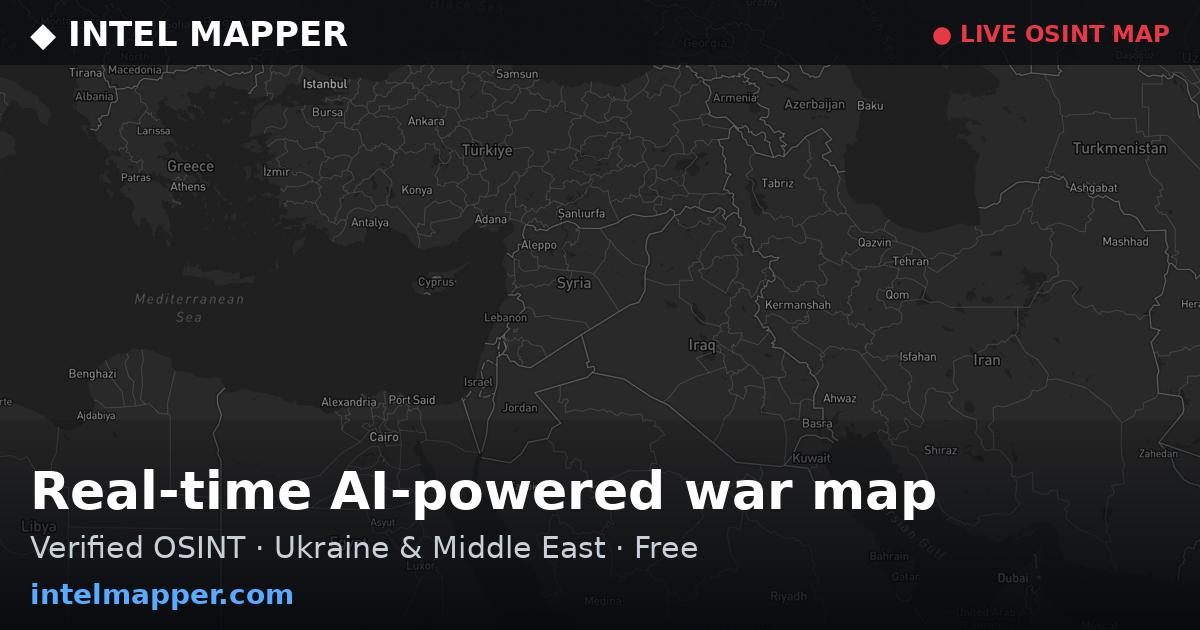
Pickaxe Mountain (Mount Machin) in Alborz Province, northern Iran, approximately 50 km north of Tehran. The site is one of Iran's most heavily fortified underground nuclear complexes, located in mountainous terrain that provides natural concealment and hardening against external monitoring and potential strikes.
Related events nearby
- Iran temporarily suspended a 10% freight charge on foreign vessels carrying oil, gas, and petroleum products. 2026-09-10 13:57 UTC · Statement · Tehran, Iran
- CSIS satellite imagery analysis reports accelerated underground nuclear facility construction activity near Ka2026-09-10 11:14 UTC · Statement · Kazma Mountain Nuclear Facility, Tehran, Iran
- Iran, Russia, and China issued a joint statement rejecting US and European attempts to escalate the Iranian nu2026-09-09 16:56 UTC · Statement · Tehran, Iran
▶ View this event on the live map
Intel Mapper aggregates open-source reports from monitored Telegram and X channels, geolocates them, cross-checks duplicates across sources and assigns a confidence score. Entries are updated as new confirmations arrive. Read how we verify events.