Russian forces use construction crane to position MANPADS for drone defense in Luhansk
What happened
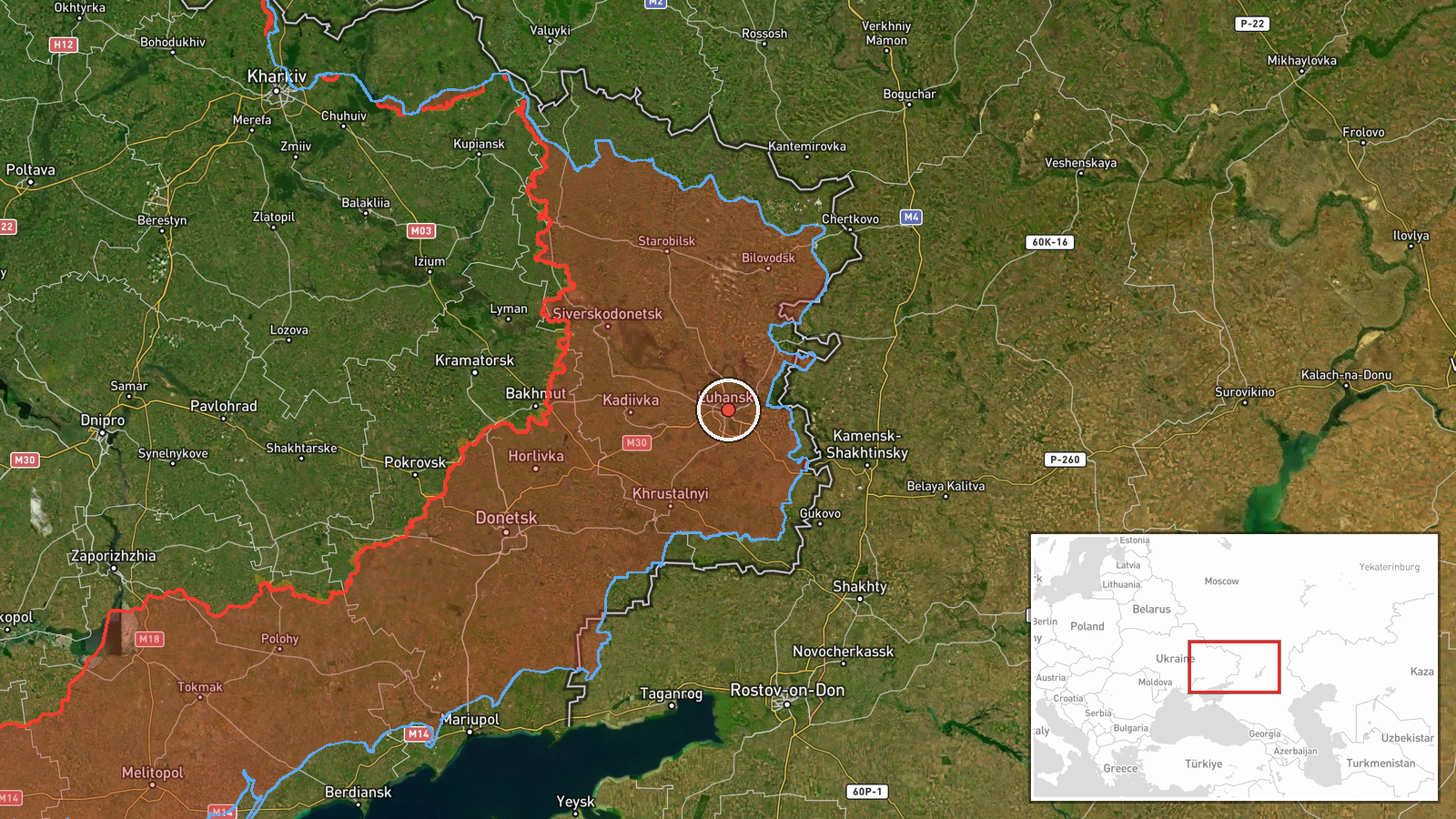
A Russian air defense crew reportedly positioned a MANPADS (man-portable air defense system) operator in the basket of a construction crane in Luhansk Oblast on 21 September. According to the report, the elevated position improves the firing line-of-sight by clearing ground-level obstacles such as streetlights, power lines, and buildings that typically obstruct shots at low-flying Ukrainian drones. The unconventional tactic reflects an adaptation to frequent drone operations in the sector.
Context and assessment
The use of improvised elevation for air defense reflects ongoing Ukrainian drone pressure across the front. On the same day, Ukrainian forces conducted numerous drone strikes including attacks on a Russian UAV command post near Dniproenergia power plant and strikes on military airfields in Russia. Ukrainian General Staff reported over 10,000 kamikaze drones deployed in a single 24-hour period, indicating sustained UAS operations. Russian forces have increasingly relied on field-expedient countermeasures as air defense losses mount. The crane positioning, while unconventional, addresses a genuine tactical problem: low-altitude drones operating below the optimal engagement envelope of traditional ground-based systems.
Sources and confidence
Reported by Telegram channel ClashReport on 21 September. Single-source reporting limits confidence to 7 out of 10. Cross-confirmation from other OSINT channels or Russian sources would strengthen assessment. Visual evidence (photograph or video) of the tactic in use would raise confidence; contradictory reports from Ukrainian sources monitoring the sector could lower it.
Location
Luhansk Oblast, Russia, coordinates 48.57°N, 39.31°E. Geographic precision limited to regional level. Luhansk is part of the contested eastern front where Russian and Ukrainian forces operate in close proximity. The region has seen sustained drone operations and defensive adaptations throughout 2026.
Related events nearby
- Ukrainian FPV quadcopter drone attacked Russian motorcycle-mounted soldiers; one soldier wounded. Drone did no2026-09-21 01:00 UTC · UAS Strike · Bakhmut, Donetsk Oblast, Ukraine
- Ukrainian General Staff reports 1,671st day of war: 238 combat engagements, 91 airstrikes (295 guided bombs), 2026-09-21 05:06 UTC · Report · Ukraine
- Ukrainian forces struck a Russian UAV command post (pункт управління БпЛА) near the Dniproenergia power plant 2026-09-21 09:23 UTC · UAS Strike · Dniproenergia Power Plant, Donetsk Oblast, Ukraine
- Ukrainian forces struck Rostov-on-Don Central Airfield, destroying two Antonov An-26 transports, one An-12, th2026-09-21 12:51 UTC · UAS Strike · Rostov-on-Don Central Airport, Rostov Oblast, Russ
▶ View this event on the live map
Intel Mapper aggregates open-source reports from monitored Telegram and X channels, geolocates them, cross-checks duplicates across sources and assigns a confidence score. Entries are updated as new confirmations arrive. Read how we verify events.