Ukrainian FPV drone wounds Russian soldier near Bakhmut; munition failed to detonate
What happened
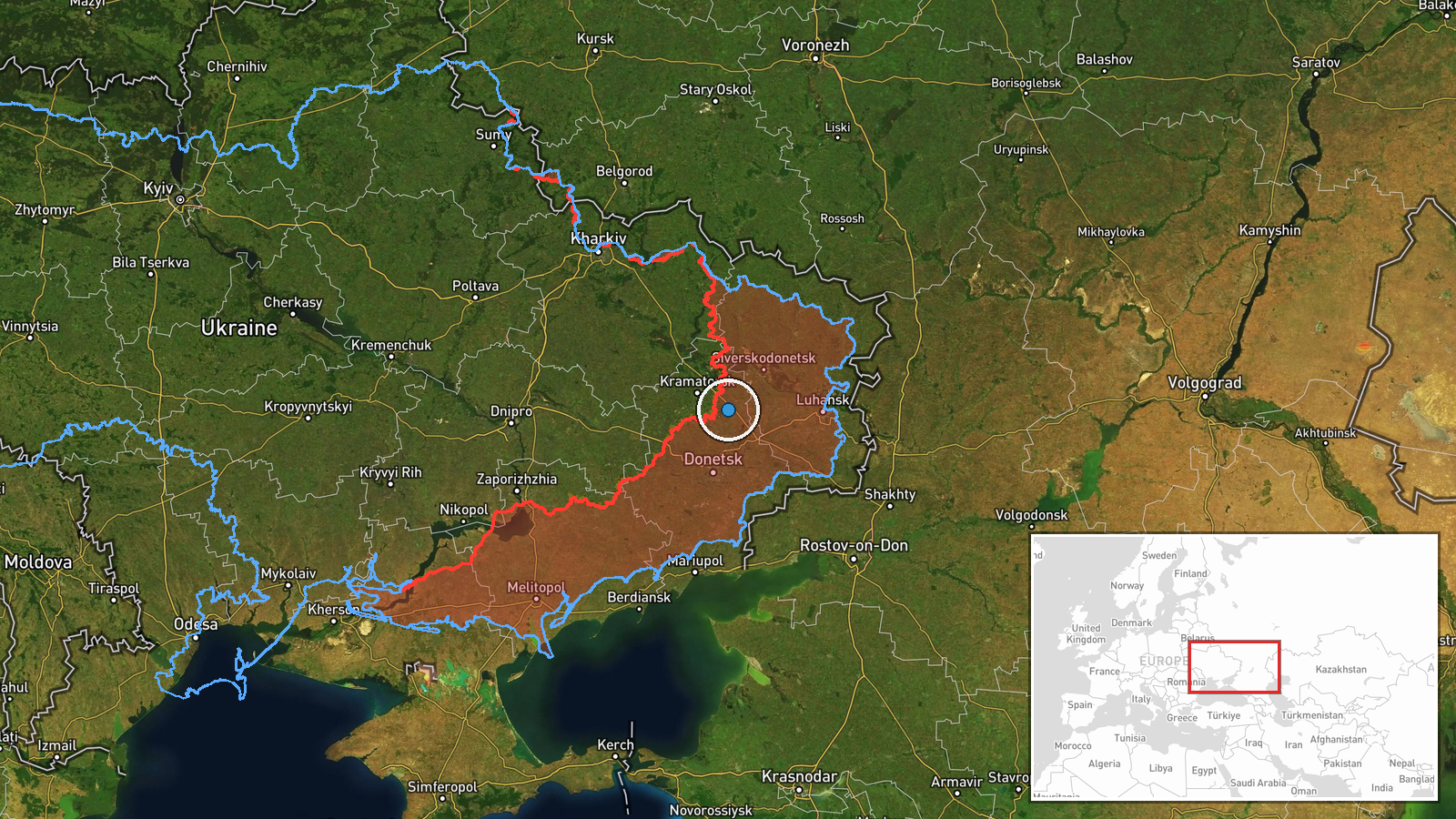
A Ukrainian FPV quadcopter drone attacked Russian motorcycle-mounted soldiers in the Bakhmut area of Donetsk Oblast on 21 September, reportedly wounding one soldier. The drone struck its target but did not detonate upon impact, according to the Turkish-language X account ConflictTR. The use of motorcycle-mounted troops suggests Russian forces conducting reconnaissance or rapid movement operations in an active combat zone.
Context and assessment
The Bakhmut sector has remained a focal point of Russian-Ukrainian ground operations for months, with recent Ukrainian gains reported in nearby Shandryholove and broader territorial advances across multiple Donetsk locations as of 20 September. The incident reflects ongoing Ukrainian drone operations against distributed Russian forces, part of a broader pattern of UAS strikes against both personnel and infrastructure—including radar stations near Balky and manufacturing facilities near Siversk reported in the same period. Motorcycle-mounted units typically indicate reconnaissance, supply runs, or rapid repositioning rather than main assault forces, suggesting Russian logistics or observation activities.
Sources and confidence
Reported solely by ConflictTR on X. Single-source reporting with low location confidence (regional level only) limits verification. No independent cross-confirmation from Ukrainian official channels or geolocated imagery evident. Confidence score of 6.0 reflects typical reliability of conflict accounts on social media but acknowledges absence of secondary corroboration. Geolocated video or official Ukrainian military statements would raise confidence substantially.
Location
Bakhmut city area, Donetsk Oblast, eastern Ukraine. Coordinates place the event at regional precision only; exact impact site within Bakhmut sector or nearby villages not specified. The city has been a major ground combat focus since late 2022 and remains contested terrain with fluid frontlines.
Related events nearby
- Ukrainian forces regained ground (~26 km²) in the Shandryholove sector per DeepState frontline update. No sett2026-09-20 12:20 UTC · Combat · Shandryholove sector, Ukraine
- Shandryholove reported liberated by Ukrainian forces (per DeepStateMAP frontline update).2026-09-20 12:20 UTC · Capture · Shandryholove
- Ukrainian forces destroyed a Russian Nebo-U radar station in the Balky area, Donetsk Oblast on 19-20 September2026-09-20 09:02 UTC · UAS Strike · Balky, Donetsk Oblast, Ukraine
- Ukrainian forces conducted drone strikes on a Russian UAV manufacturing facility near Siversk, Luhansk Oblast 2026-09-20 09:03 UTC · UAS Strike · Siversk, Luhansk Oblast, Ukraine
▶ View this event on the live map
Intel Mapper aggregates open-source reports from monitored Telegram and X channels, geolocates them, cross-checks duplicates across sources and assigns a confidence score. Entries are updated as new confirmations arrive. Read how we verify events.