Ukrainian drones damage both crude units at major Moscow refinery
What happened
Ukrainian unmanned aerial vehicles struck the Gazprom Neft-Moskovsky refinery in Moscow on September 20, causing fires that damaged both primary crude distillation units and halted crude processing operations. According to Reuters sources cited in the report, repairs are expected to require several weeks. The attack represents a continuation of Ukrainian strikes on Russian energy infrastructure near the capital.
Context and assessment
The Gazprom Neft-Moskovsky refinery is one of Russia's major oil processing facilities and a critical node in domestic fuel supply chains. Damage to both primary distillation units—the core processing equipment—would significantly disrupt crude throughput at the installation. This strike follows a documented pattern of Ukrainian drone operations targeting Russian refineries and petrochemical sites throughout 2026, likely intended to degrade fuel production capacity and impose logistical strain on Russian military operations. The strike occurred amid heightened air defense deployments in Moscow recorded in related reports, suggesting Ukrainian air activity has remained persistent in the region. Attacks on dual units suggest either concentrated targeting or multiple impact points.
Sources and confidence
Reported by Telegram channel ClashReport, citing Reuters sources. Single source channel limits independent cross-confirmation; Reuters attribution provides some institutional credibility. Confidence score of 7.0 reflects the notable source but absence of secondary verification. Confirmation from Russian officials, satellite imagery of damage, or independent energy sector analysts would strengthen confidence; contradictory Russian statements or revised repair timelines would lower it.
Location
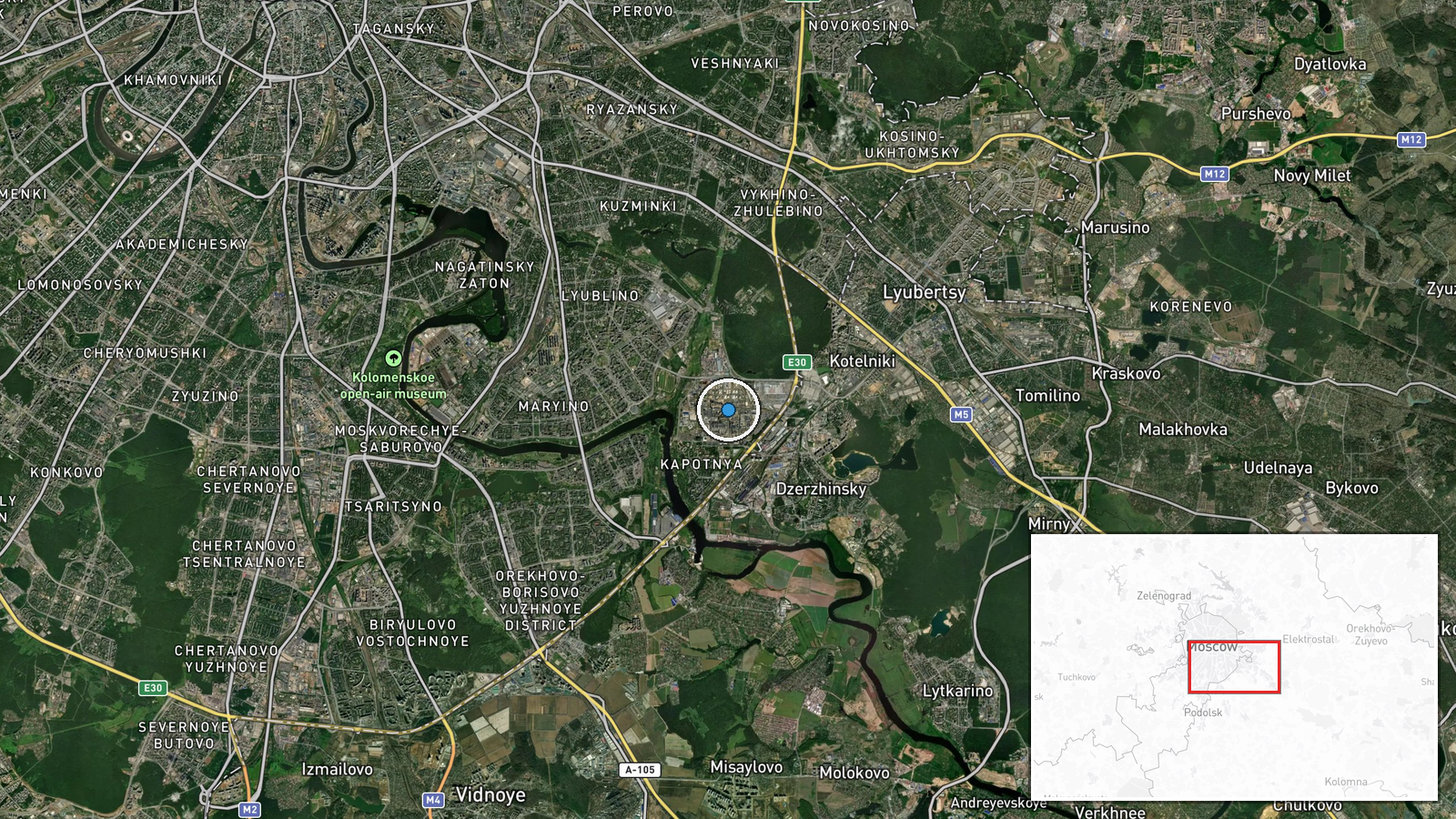
Gazprom Neft-Moskovsky refinery, located in Moscow at approximately 55.65°N, 37.81°E. The facility lies in the southern industrial zone of Russia's capital. Precise coordinates indicate the main refinery complex rather than approximate urban area. Nearby features include road and rail networks serving Moscow's fuel distribution infrastructure.
Related events nearby
- Ukrainian forces struck Gazprom Neft-Moskovsky oil refinery in Moscow on September 20, damaging AVT-6 crude di2026-09-21 12:49 UTC · UAS Strike · Gazprom Neft-Moskovsky Oil Refinery, Sarepta, Volg
- Russian air defense personnel deployed in Moscow during reported massive air raid. Photo shows serviceman with2026-09-21 07:50 UTC · Air Defense · Moscow, Russia
- Russian military personnel deployed to Moscow poles with MANPADS systems in preparation for potential Ukrainia2026-09-21 06:31 UTC · Deployment · Moscow, Russia
▶ View this event on the live map
Intel Mapper aggregates open-source reports from monitored Telegram and X channels, geolocates them, cross-checks duplicates across sources and assigns a confidence score. Entries are updated as new confirmations arrive. Read how we verify events.