Iranian cruise missile strikes US-contracted vessel in Strait of Hormuz, injures eight Marines
What happened
Eight US Marines suffered smoke inhalation and concussion injuries when an Iranian cruise missile struck their vessel in the Strait of Hormuz on September 14, according to reporting by NBC. The Pentagon did not publicly announce the incident at the time. The ship was described as a US-contracted maritime vessel rather than a Navy warship. All personnel returned to duty. Casualty records documenting the injuries were entered into Pentagon systems approximately ten days after the strike.
Context and assessment
The Strait of Hormuz remains a critical chokepoint for global energy transit and a zone of active Iranian-US military tension. This strike follows Iran's Islamic Revolutionary Guard Corps claims on September 27 of targeting multiple merchant vessels in the same waterway, suggesting sustained Iranian operations against maritime traffic. The incident also coincides with IRGC claims of disabling a US surveillance drone in the strait via electronic warfare. The non-public handling of casualties may reflect broader patterns of under-reported incidents in ongoing maritime tensions, with over 800 US personnel reportedly injured in related operations during 2026.
Sources and confidence
Single source: NBC reporting via Telegram (@ClashReport). The incident lacks cross-confirmation from US military statements or independent verification. Confidence is moderate (7.0/10) because Pentagon casualty record entry provides documentary support, but the restricted source base and initial non-disclosure limit independent corroboration. Confirmation from second-source reporting or official Pentagon statements would substantially increase confidence.
Location
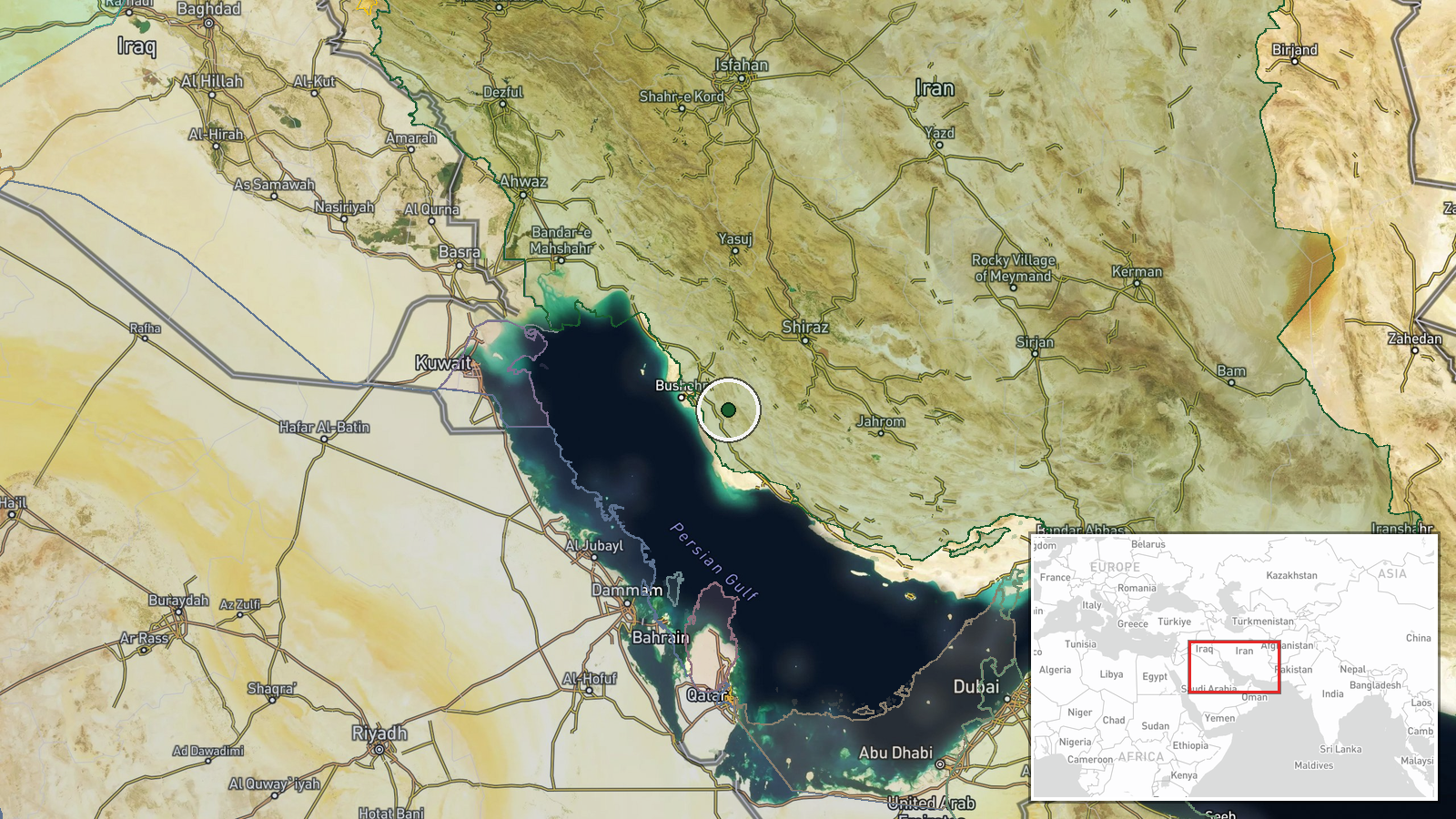
Strait of Hormuz, Persian Gulf. Located between Iran and Oman, this 21-mile-wide maritime chokepoint connects the Persian Gulf to the Gulf of Oman. Geolocation precision is regional rather than specific, reflecting the broad nature of the report. The waterway is heavily trafficked by commercial and military vessels.
Related events nearby
- Iran conducted anti-ship missile attack on vessel carrying U.S. Marines in Strait of Hormuz; casualties report2026-09-28 10:52 UTC · Naval · Strait of Hormuz, Persian Gulf
- Iran's Islamic Revolutionary Guard Corps claims to have targeted 7 merchant vessels transiting the Strait of H2026-09-27 17:02 UTC · Report · Strait of Hormuz, Persian Gulf
▶ View this event on the live map
Intel Mapper aggregates open-source reports from monitored Telegram and X channels, geolocates them, cross-checks duplicates across sources and assigns a confidence score. Entries are updated as new confirmations arrive. Read how we verify events.