Crude oil tanker struck by unknown projectile in Strait of Hormuz
What happened
The UK Maritime Trade Operations authority (UKMTO) reported that a crude oil tanker was struck on its port side by an unknown projectile while transiting the Strait of Hormuz on September 30, 2026 at approximately 09:39 UTC. The report provides no details on the nature of the projectile, the identity of any responsible actor, or the extent of damage sustained by the vessel. The tanker's operational status following the strike remains unclear.
Context and assessment
The Strait of Hormuz remains one of the world's most strategically significant maritime chokepoints, with roughly one-third of global seaborne oil transit passing through its waters. This incident follows a similar strike on a cargo vessel in the same waterway the previous day, suggesting a possible pattern of attacks on commercial shipping. Recent reporting indicates that Iran's strategic leverage over Hormuz transit may be diminishing, yet recurring incidents against merchant vessels underscore persistent maritime instability in the Persian Gulf region and the vulnerability of energy supply chains to disruption.
Sources and confidence
UKMTO reported the incident via Telegram channel @ClashReport on September 30. The single-source reporting and lack of corroborating accounts from vessel operators or regional authorities contribute to a confidence score of 7.0 out of 10. Independent confirmation from the affected vessel's owner or additional maritime monitoring agencies would strengthen confidence. Official statements from Iranian or U.S. naval forces would significantly clarify attribution.
Location
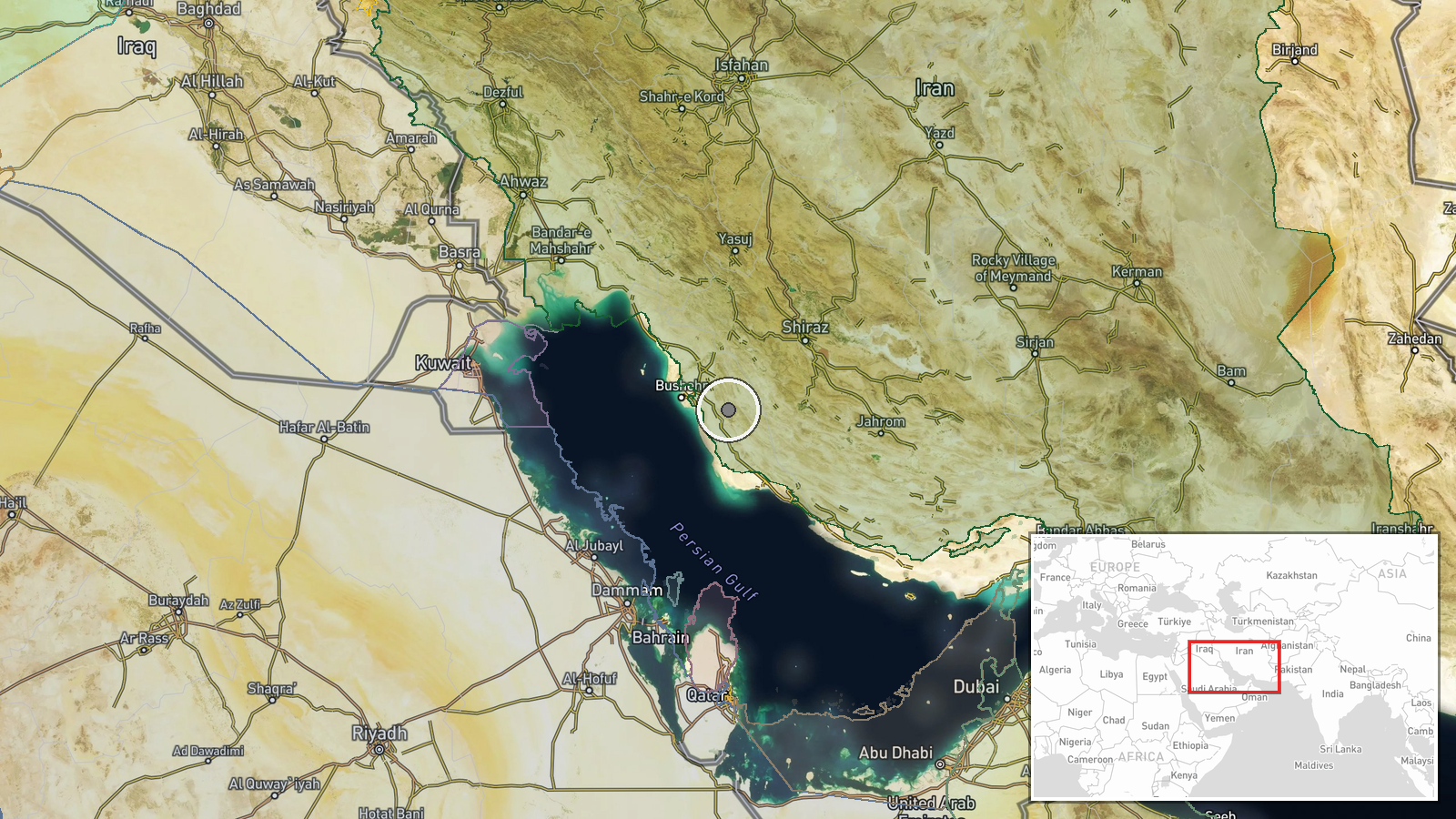
The Strait of Hormuz, the narrow maritime passage between Iran and Oman connecting the Persian Gulf to the Gulf of Oman. The coordinates reflect regional-level precision rather than pinpoint accuracy. The waterway is approximately 21 miles wide at its narrowest point and is the world's most critical oil chokepoint, making all vessels transiting it potential targets during periods of regional tension.
Related events nearby
- A cargo vessel transiting the Strait of Hormuz was struck. Details on attacker, weapon type, and damage remain2026-09-29 15:07 UTC · Naval · Strait of Hormuz, Persian Gulf
- WSJ reports Iran's ability to leverage Strait of Hormuz oil transit as leverage is weakening, signaling reduce2026-09-29 14:58 UTC · Report · Strait of Hormuz, Persian Gulf
▶ View this event on the live map
Intel Mapper aggregates open-source reports from monitored Telegram and X channels, geolocates them, cross-checks duplicates across sources and assigns a confidence score. Entries are updated as new confirmations arrive. Read how we verify events.