Ukraine destroys Russian radar station in Bryansk Oblast
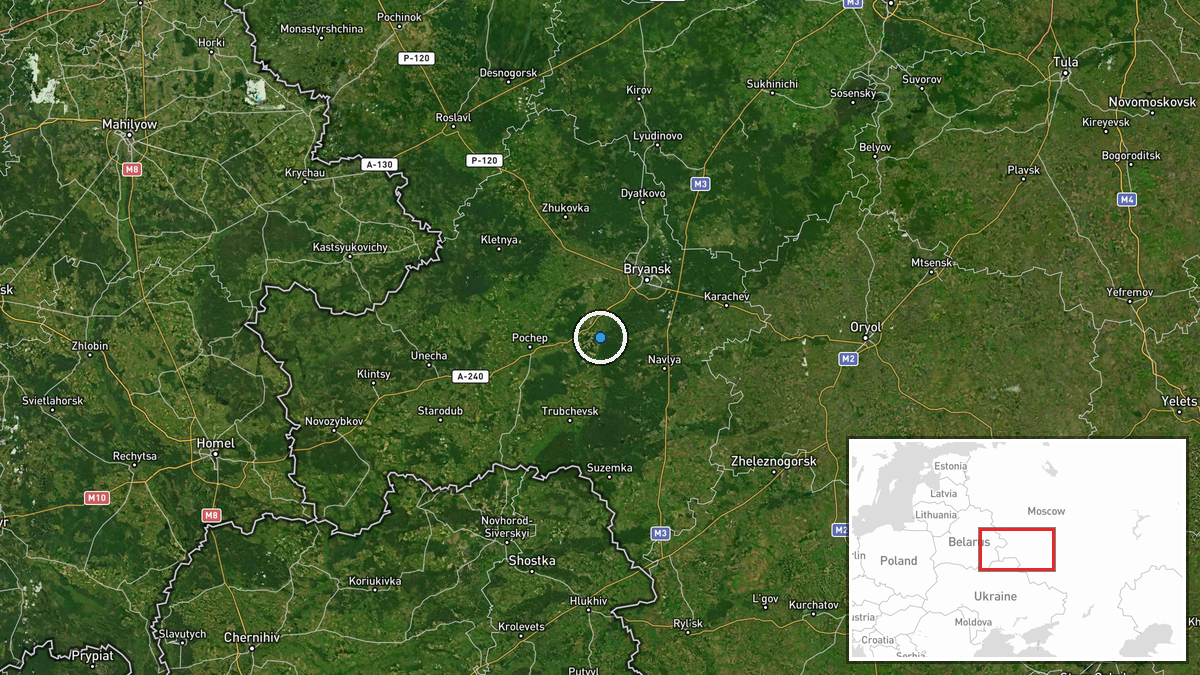
What happened
Ukrainian forces reportedly destroyed a radar station operated by Russian forces in Desnyansk, Desna settlement, Bryansk Oblast, according to a statement from Ukraine's General Staff posted on Telegram on August 31. The strike targeted air defense infrastructure located approximately 200 kilometers inside Russian territory. The attack was conducted using uncrewed aerial systems (UAS). No independent confirmation of the strike or assessment of damage has been reported.
Context and assessment
Radar stations are critical components of Russian air defense networks, detecting and tracking aircraft and missiles across multiple frequencies. The strike on Desnyansk follows a pattern of Ukrainian deep-strike operations across successive days. On August 30–31, Ukraine reportedly attacked a UAV depot in Khartsyzk, a UAV command post near Chumatske, and a droneport in Tsimbulov, Oryol Oblast. These strikes suggest a coordinated campaign targeting Russian logistics and air defense capabilities in western Russia. Such operations may indicate Ukrainian efforts to degrade Russia's ability to coordinate air defense responses or to reduce Russian reconnaissance capability, though the operational objective remains unclear from available reporting.
Sources and confidence
The report originates from Ukraine's General Staff Telegram channel (@GeneralStaffZSU), a primary source for Ukrainian military claims. No secondary sources or independent verification are noted. Confidence of 8.0 reflects the official military source but single-channel reporting. Confirmation from Russian statements, satellite imagery, or third-party observers would strengthen confidence. Russian denial or contradictory claims would lower it.
Location
Desnyansk is located in Desna settlement, Bryansk Oblast, western Russia, approximately 35 kilometers southwest of the city of Bryansk. The coordinates place the target in a rural area near the Desna River valley. Bryansk Oblast lies directly west of occupied Ukraine and serves as a staging area and logistics hub for Russian forces.
Related events nearby
- Ukrainian air-monitoring channel alerts civilians in Bryansk Oblast, Russia of suspected ballistic missile (Is2026-08-31 23:27 UTC · Siren · Bryansk Oblast, Russia
- Ukrainian forces struck the Tsimbulov droneport in Oryol, Russia on the night of August 29-30, 2026. The attac2026-08-31 09:28 UTC · UAS Strike · Tsimbulov, Oryol Oblast, Russia
▶ View this event on the live map
Intel Mapper aggregates open-source reports from monitored Telegram and X channels, geolocates them, cross-checks duplicates across sources and assigns a confidence score. Entries are updated as new confirmations arrive. Read how we verify events.