Ukrainian strike damages drone launch platform at Russian Oryol airfield
What happened
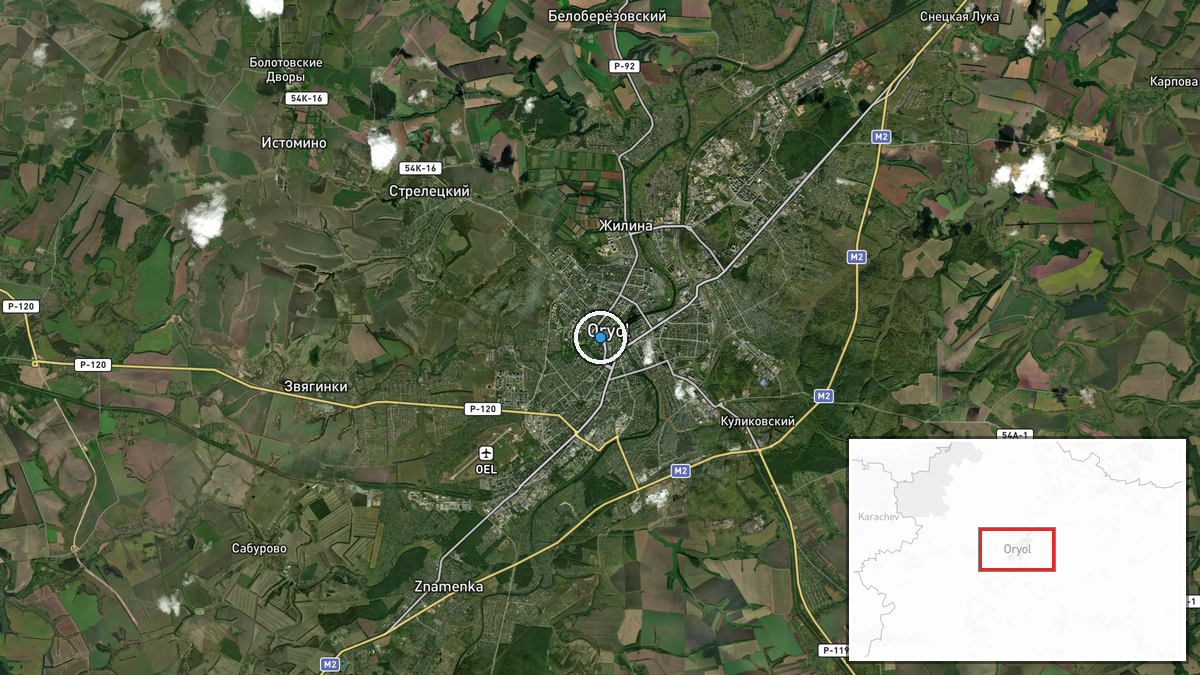
Ukrainian forces reportedly struck the Tsimbulov droneport near Oryol, Russia during the night of August 29–30, 2026. According to a Telegram report, the attack damaged a UAV launch platform and a drone storage facility at the installation. Ukrainian sources stated that a launch system for attack drones and a storage area for strike unmanned aircraft were hit. Damage assessments were reportedly ongoing at the time of reporting.
Context and assessment
The Tsimbulov facility operates as a major Russian drone launch and storage site, making it operationally significant for Russian strike capabilities in the war. This strike is part of a broader Ukrainian campaign targeting Russian drone infrastructure deep within Russian territory; a related strike on a Bryansk Oblast radar station occurred the same night. Such attacks on rear-area facilities suggest Ukrainian efforts to degrade Russian unmanned aircraft operations and air defense networks. The tempo and geographic spread of these strikes across multiple Russian regions may indicate expanding Ukrainian deep-strike capability or a coordinated multi-target campaign against critical military infrastructure.
Sources and confidence
Reported by Telegram channel @supernova_plus, the primary source for this event. Single-source reporting from a Ukrainian-aligned channel limits independent cross-confirmation. Confidence score of 6.0 reflects typical reliability of Ukrainian military Telegram channels but acknowledges lack of secondary verification. Confirmation from Russian military bloggers or independent verification of damage would raise confidence; clarification of damage extent would strengthen the assessment.
Location
Tsimbulov droneport located near Oryol city in Oryol Oblast, central Russia, approximately 380 kilometers south of Moscow. The facility's coordinates place it in a region historically used for Russian military drone operations and logistics. Proximity to transport infrastructure and distance from the front line make it a typical target for long-range Ukrainian strikes.
Related events nearby
- Ukrainian air-monitoring channel alerts civilians in Bryansk Oblast, Russia of suspected ballistic missile (Is2026-08-31 23:27 UTC · Siren · Bryansk Oblast, Russia
- Ukrainian forces destroyed a Russian radar station in Desnyansk, Bryansk Oblast. The strike targeted critical 2026-08-31 09:11 UTC · UAS Strike · Desnyansk, Bryansk Oblast, Russia
▶ View this event on the live map
Intel Mapper aggregates open-source reports from monitored Telegram and X channels, geolocates them, cross-checks duplicates across sources and assigns a confidence score. Entries are updated as new confirmations arrive. Read how we verify events.