Ukrainian forces strike Russian military communications node in Belgorod Oblast
What happened
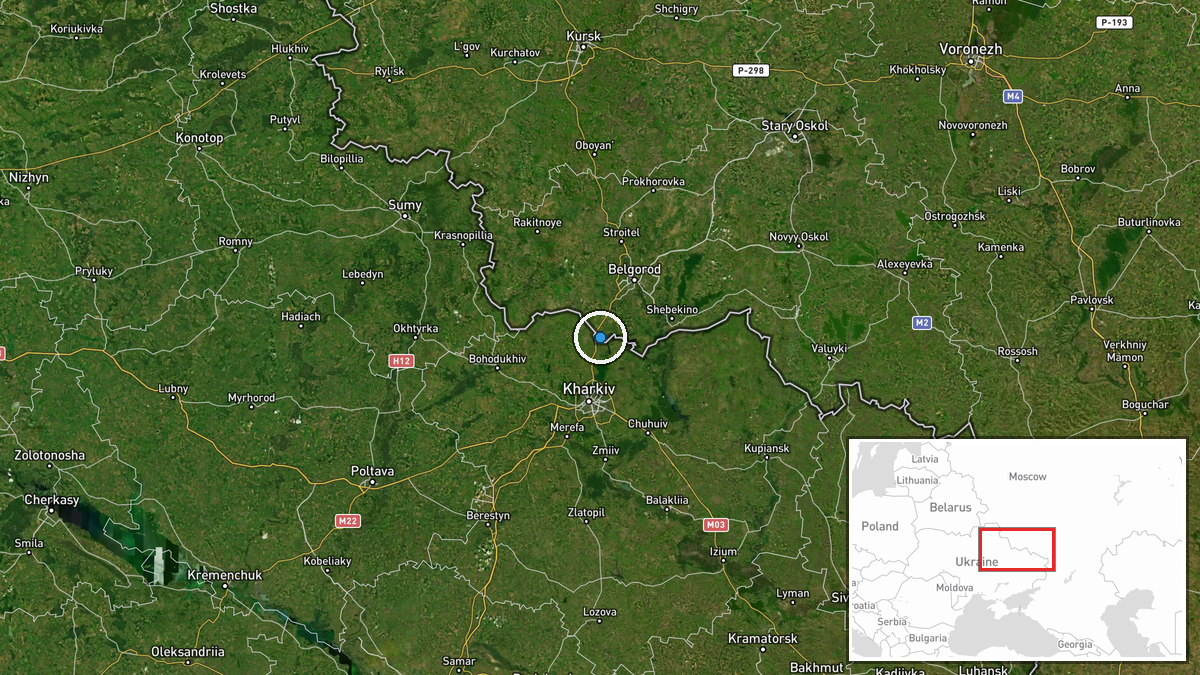
Ukrainian forces reportedly destroyed a Russian military communications node in the Zimovne area of Belgorod Oblast on August 31, according to a statement from Ukraine's General Staff posted on Telegram. The strike targeted critical command infrastructure located deep inside Russian territory, approximately 80 kilometers from the Ukrainian border. The attack was conducted via unmanned aerial system (UAS), though specific damage assessment details were not provided in the initial report.
Context and assessment
The strike on communications infrastructure reflects a sustained Ukrainian campaign targeting Russian command and control capabilities in rear areas. This operation occurs amid intensive Russian drone operations—Ukrainian officials report Russia has launched approximately 1,500 jet-powered Shaheds in August alone, with over 2,500 in early September sourced directly from factories. Ukrainian forces have intensified strikes across Belgorod Oblast in recent days, including FPV-drone attacks on Russian logistics assets and airstrikes on Belgorod city on August 30. Targeting communications nodes may indicate Ukrainian efforts to disrupt Russian command coordination in support of broader military operations, though the operational context remains unclear.
Sources and confidence
Single source: Telegram statement from Ukraine's General Staff (@GeneralStaffZSU). No cross-confirmation from independent Ukrainian or international observers noted. Confidence score of 8.0 reflects official Ukrainian military attribution but limited external verification. Confirmation from additional Ukrainian sources, Russian damage acknowledgment, or satellite imagery would strengthen confidence.
Location
Zimovne/Zhuravlevka area, Belgorod Oblast, Russia, located at approximately 50.31°N, 36.32°E. The settlement sits in western Belgorod Oblast, roughly 80 kilometers north of the Ukraine-Russia border near Kharkiv Oblast. The facility is situated in flat agricultural terrain typical of the region.
Related events nearby
- Ukrainian MoD advisor reports Russia has launched ~1,500 jet-powered Shaheds in August and over 2,500 so far i2026-08-30 10:10 UTC · Statement · Ukraine (National)
- Ukrainian FPV-kamikaze drones targeted Russian logistics assets in Belgorod region. Specific targets and damag2026-08-31 01:00 UTC · FPV Drone · Belgorod, Belgorod Oblast, Russia
- Ukrainian forces conducted an airstrike on Belgorod city, Russia. New video footage of the attack has emerged,2026-08-30 14:07 UTC · Ballistic Missile · Belgorod city, Belgorod Oblast, Russia
- Four Russian Shahed-variant reactive-engine kamikaze drones tracked transiting over Balakliya in Kharkiv Oblas2026-08-30 12:39 UTC · Drone Transit · Balakliya, Kharkiv Oblast, Ukraine
- Zapadne reported liberated by Ukrainian forces (per DeepStateMAP frontline update).2026-08-31 00:00 UTC · Capture · Zapadne
▶ View this event on the live map
Intel Mapper aggregates open-source reports from monitored Telegram and X channels, geolocates them, cross-checks duplicates across sources and assigns a confidence score. Entries are updated as new confirmations arrive. Read how we verify events.