Ukrainian forces destroy Russian Buk-M3 air defense system in Zaporizhzhia
What happened
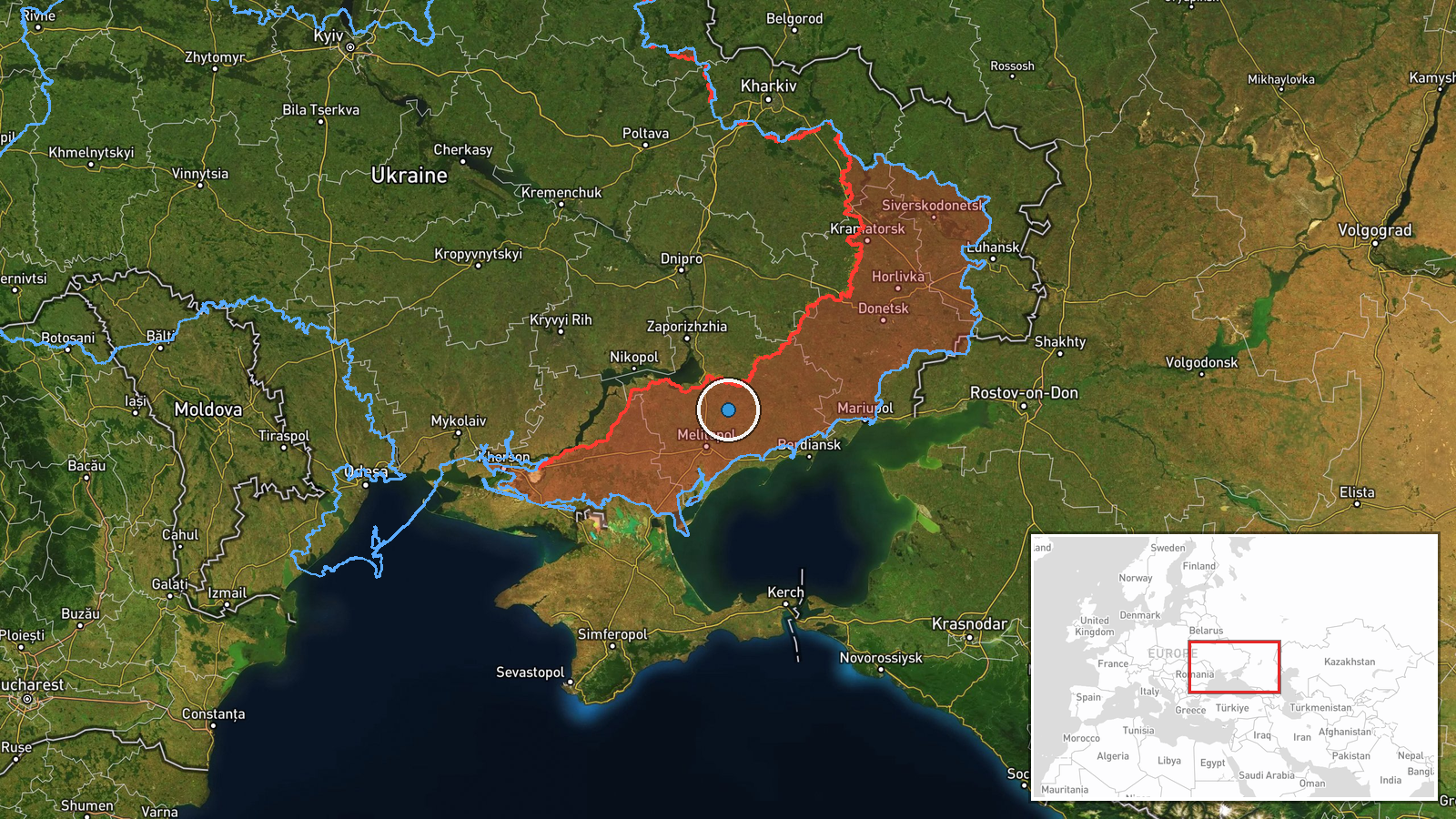
Ukrainian forces reportedly destroyed a Russian Buk-M3 air defense system in the Kuroshany area of Zaporizhzhia Oblast on October 4, according to the General Staff of the Armed Forces of Ukraine. The Buk-M3 is a mobile, medium-range surface-to-air missile system that forms a key component of Russian air defense networks. The report was released via the General Staff's official Telegram channel but does not specify the method of destruction or provide damage assessment imagery.
Context and assessment
Zaporizhzhia Oblast remains contested territory along the active front lines, with Russian forces holding parts of the region. The destruction of air defense systems supports Ukrainian operational goals of degrading Russian air capabilities and reducing protection for Russian positions. Such strikes against Buk systems have occurred periodically throughout the conflict, as these platforms are priority targets for degrading Russian air superiority. The timing aligns with Ukrainian efforts to maintain pressure on Russian rear-area and forward-deployed air defense assets, though the success rate and frequency of such engagements remain difficult to independently confirm.
Sources and confidence
Reported solely by the General Staff of the Armed Forces of Ukraine via Telegram. No secondary corroboration from international monitoring organizations or Russian statements addressing the claim has been identified. The confidence score of 8.0 reflects the official Ukrainian source but the single-source reporting and lack of independent verification. Cross-confirmation from Russian damage assessments or visual evidence would significantly strengthen confidence.
Location
Kuroshany is a settlement in Zaporizhzhia Oblast in southeastern Ukraine, located approximately 47.19°N, 35.68°E. The area lies within the broader Zaporizhzhia region, which has experienced intermittent front-line activity and remains partly under Russian control. Precision to exact strike coordinates could not be determined from available reporting.
Related events nearby
- Ukrainian forces deployed KARAKURT logistics robot system to intercept Russian FPV kamikaze drones mid-flight 2026-10-04 08:12 UTC · Report · Ukraine (Rear Area)
▶ View this event on the live map
Intel Mapper aggregates open-source reports from monitored Telegram and X channels, geolocates them, cross-checks duplicates across sources and assigns a confidence score. Entries are updated as new confirmations arrive. Read how we verify events.