Ukrainian forces strike Russian troop concentrations in Luhansk with unmanned aircraft
What happened
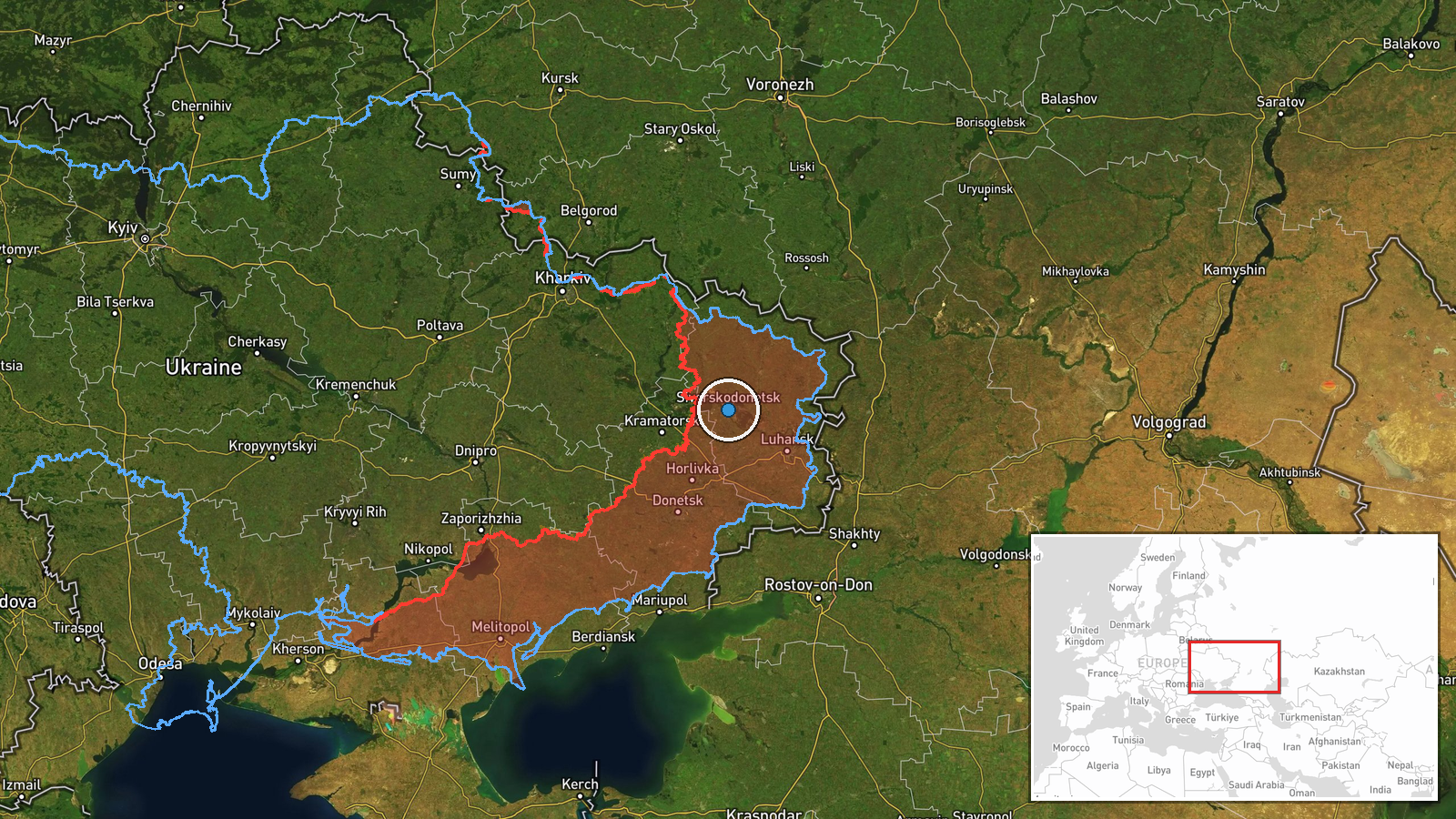
Ukrainian Defence Forces reportedly conducted a unmanned aerial system (UAS) strike against Russian troop concentrations in the Sokologirsk area of Luhansk region on October 5–6, 2026, according to the General Staff of the Armed Forces of Ukraine. The operation targeted military personnel rather than infrastructure, distinguishing it from concurrent strikes on enemy communications facilities in other sectors.
Context and assessment
Sokologirsk lies in eastern Luhansk, a region that has seen intense fighting since Russia's 2022 invasion and remains contested along multiple front lines. Ukrainian drone operations in this sector have intensified as forces attempt to degrade Russian operational capacity in a strategic zone where both sides maintain significant deployments. The timing coincides with a reported strike on Russian communications infrastructure near Makiivka in Donetsk the same day, suggesting a coordinated effort to target both personnel and command-and-control nodes. Sustained UAS campaigns against troop concentrations may indicate Ukrainian efforts to disrupt Russian staging areas and reinforce pressure on overstretched Russian forces.
Sources and confidence
Reported by the General Staff of the Armed Forces of Ukraine via official Telegram channel. Single-source reporting limits independent verification. Confidence score of 8.0 reflects official Ukrainian military attribution but low geographic precision and lack of cross-confirmation from independent observers or Russian statements. Additional reporting from multiple independent sources or visual evidence would strengthen confidence.
Location
Sokologirsk area, Luhansk Oblast in eastern Ukraine, approximately 48.94°N, 38.49°E. The region lies in contested territory near the Severodonetsk area. Geographic precision is rated as regional rather than precise due to the broad nature of 'area' reporting, typical for military strike announcements that avoid revealing exact coordinates for operational security.
Related events nearby
- Ukrainian Defence Forces struck a Russian telecommunications hub in the Donetsk region on October 5-6, 2026. T2026-10-06 09:23 UTC · UAS Strike · Makiivka, Donetsk Oblast, Ukraine
▶ View this event on the live map
Intel Mapper aggregates open-source reports from monitored Telegram and X channels, geolocates them, cross-checks duplicates across sources and assigns a confidence score. Entries are updated as new confirmations arrive. Read how we verify events.