Russian Geran-3 drone tracked heading northwest over Odesa Oblast
What happened
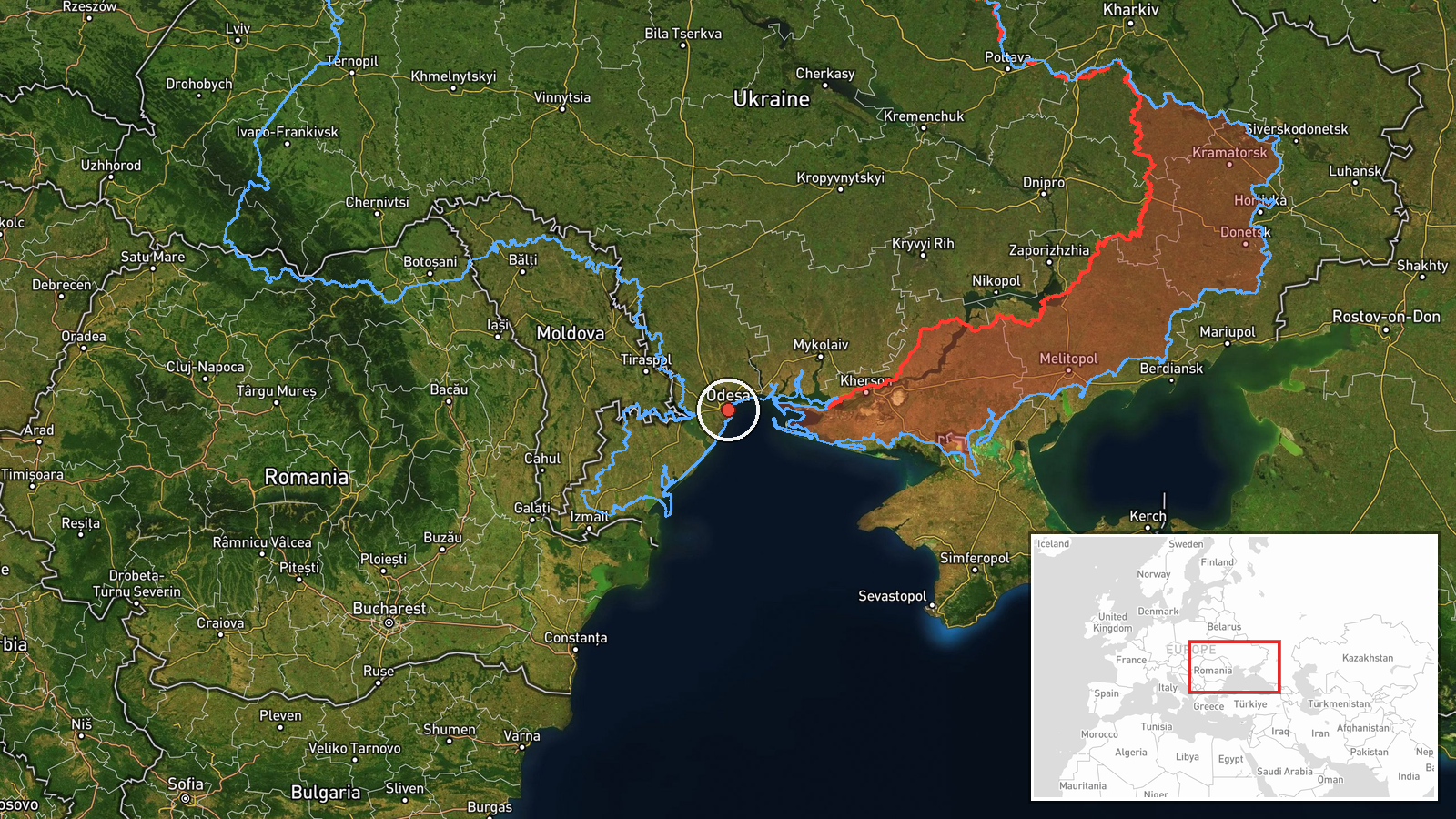
Ukrainian air monitoring reportedly detected one Russian jet-powered Shahed (Geran-3) drone transiting Odesa Oblast on a northwest heading near Shyriaieve on 15 October at 15:20 UTC. The report came via the Kyiv Post's air alert Telegram channel (@kpszsu), which tracks Russian aerial activity in real time. No immediate strike or interception was reported in this specific alert.
Context and assessment
This sighting represents the third confirmed Geran-3 drone transit over Odesa Oblast detected within five hours on 15 October, suggesting a sustained Russian drone campaign targeting the southwestern region. Earlier the same day, Russian forces conducted an airstrike on a marketplace in central Odesa, and a Geran-4 drone struck a supermarket in Mayaky, resulting in civilian casualties. The repeated drone transits over Odesa Oblast indicate Russian intent to sustain pressure on civilian and commercial infrastructure in Ukraine's most exposed southern coastal region. Such multi-wave drone operations typically precede concentrated strikes and may reflect Russian efforts to overwhelm Ukrainian air defenses.
Sources and confidence
Single source: Telegram channel @kpszsu, operated by Kyiv Post. No independent cross-confirmation available for this specific sighting. Confidence score of 8.0 reflects reliance on a single channel; however, the sighting aligns temporally and geographically with three other Geran-3 transits and two confirmed strikes in Odesa region the same day, lending corroborating context. Score would rise with secondary reporting from Ukrainian military or NATO sources.
Location
Odesa Oblast, southwestern Ukraine, in the vicinity of Shyriaieve settlement. Precision is regional (low confidence). The location lies approximately 70 km north of the Black Sea coast and 120 km south-southwest of Odesa city. The northwest trajectory suggests the drone was transiting inland from the sea toward targets deeper in Ukraine's western regions.
Related events nearby
- Ukrainian air monitoring: 1 Russian jet-powered Shahed (Geran-3) drone from Black Sea toward Odesa.2026-10-15 15:59 UTC · Drone Transit · Odesa, Ukraine
- Ukrainian air monitoring: 1 Russian jet-powered Shahed (Geran-3) drone passing Odesa Oblast, heading northwest2026-10-15 11:21 UTC · Drone Transit · Odesa Oblast, Ukraine
- Ukrainian air monitoring: 1 Russian jet-powered Shahed (Geran-3) drone from Black Sea toward Odesa Oblast.2026-10-15 10:52 UTC · Drone Transit · Odesa Oblast, Ukraine
- Russian forces conducted an airstrike on a marketplace in Odesa, Ukraine. Casualties and damage extent not yet2026-10-15 13:21 UTC · Airstrike · Odesa, Ukraine
- Ukrainian air monitoring: 1 Russian jet-powered Shahed (Geran-3) drone from Black Sea toward Lymanka.2026-10-15 09:09 UTC · Drone Transit · Lymanka, Ukraine
▶ View this event on the live map

Intel Mapper aggregates open-source reports from monitored Telegram and X channels, geolocates them, cross-checks duplicates across sources and assigns a confidence score. Entries are updated as new confirmations arrive. Read how we verify events.