Russian tactical aircraft reportedly launch guided aerial bombs toward Zaporizhzhia
What happened
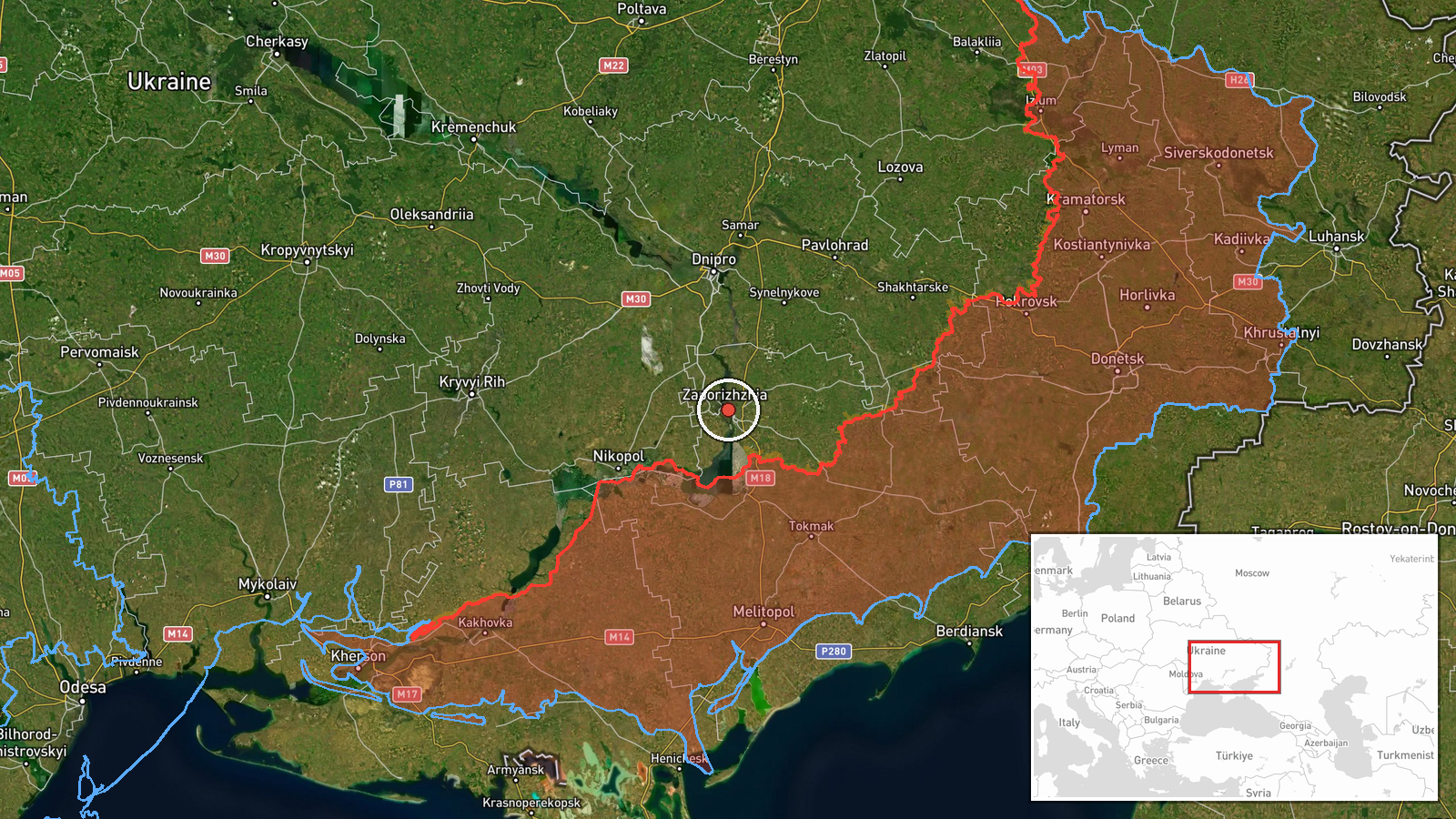
A Ukrainian air monitoring alert carried on the Telegram channel @kpszsu reported at 07:13 UTC on 21 October 2026 that Russian tactical aviation was launching guided aerial bombs against Zaporizhzhia. The original Ukrainian-language post refers to launches of guided aviation bombs by enemy tactical aircraft on Zaporizhzhia, and the English summary describes aircraft heading toward the city. The report gives no aircraft count, bomb count, impact points, or casualty information. Because it comes from a single channel, the details have not been independently confirmed at the time of publication. The event is logged as an airstrike in the combat aircraft category, attributed to Russia, and placed at the city of Zaporizhzhia.
Context and assessment
Zaporizhzhia has been a recurring target in the Russian air campaign in southeastern Ukraine, and this alert fits a sequence of activity in the same area over the previous day. On 20 October, monitoring reports logged a Shahed-type drone heading toward the city, a jet-powered Geran-3 drone also heading toward Zaporizhzhia, and a guided glide bomb directed at the wider oblast. A further Geran-3 transit was reported toward Tomakivka, a settlement in the same general direction. Early on 21 October, a separate glide bomb alert named Zaporizhzhia. The pattern suggests a sustained effort combining long-range drones with standoff glide munitions, which are typically launched from aircraft well behind the front line. Tactical aircraft launching guided bombs would extend that reach, and the proximity of the front to the city means such weapons may be used against industrial, logistical, or military-linked sites as well as residential areas. Repeated alerts within a short window may indicate a coordinated wave rather than isolated incidents, though the data alone cannot confirm the intended targets or the sequencing of the strikes.
Sources and confidence
The event rests on one source, the Telegram channel @kpszsu, which relays Ukrainian air monitoring notices. No second outlet, official statement, or imagery accompanies the alert in the dataset. The confidence score of 8.0 is relatively high for a single channel, reflecting the channel's role in routine air alerts and consistency with a dense cluster of related warnings from the same area. It is not higher because the alert does not describe impacts and is not corroborated independently. Confidence would rise with confirmation from another Ukrainian official source, regional military administration statements, or verified damage imagery. It would fall if later reporting indicates the aircraft were not launching weapons or that the alert was superseded or corrected.
Location
The location is recorded at settlement precision for the city of Zaporizhzhia, with high location confidence, so the coordinates refer to the urban area rather than a specific facility. Zaporizhzhia sits on the Dnipro River in southeastern Ukraine, with a large industrial base and a substantial river crossing. The front line lies to the south and southeast, within relatively short distance of the city, which places it within range of frontline aviation and glide munitions. The coordinates do not indicate a precise impact point.
Related events nearby
- Ukrainian air monitoring: 1 Russian guided glide bomb (KAB) heading toward Zaporizhzhia.2026-10-21 02:18 UTC · Airstrike · Zaporizhzhia, Ukraine
- Ukrainian air monitoring: 1 Russian jet-powered Shahed (Geran-3) drone heading toward Zaporizhzhia.2026-10-20 14:51 UTC · Drone Transit · Zaporizhzhia, Ukraine
- Ukrainian air monitoring: 2+ Russian jet-powered Shahed (Geran-3) drones heading toward Tomakivka.2026-10-20 14:51 UTC · Drone Transit · Tomakivka, Ukraine
- Ukrainian air monitoring: 1 Russian Shahed-type drone passing Komyshuvakha, heading west; 1 Russian Shahed-typ2026-10-20 14:08 UTC · Drone Transit · Komyshuvakha, Ukraine
- Ukrainian air monitoring: 2+ Russian Banderol mini cruise missiles passing Solone, heading toward Dnipro.2026-10-21 06:08 UTC · Cruise Missile · Dnipro, Ukraine
▶ View this event on the live map

Intel Mapper aggregates open-source reports from monitored Telegram and X channels, geolocates them, cross-checks duplicates across sources and assigns a confidence score. Entries are updated as new confirmations arrive. Read how we verify events.