Ukrainian drones strike Yuzhnyy Rus oil terminal in Rostov Oblast
What happened
A Ukrainian unmanned aerial system struck the Yuzhnyy Rus (South Russia) oil loading terminal in Rostov Oblast in the early hours of October 10, according to a Telegram channel report. The attack occurred at approximately 02:21 UTC. This strike follows another reported Ukrainian drone attack on the Novoshakhtinsk oil loading terminal in the same region hours earlier on the same date, suggesting a coordinated sequence of strikes against Russian petroleum infrastructure in the area.
Context and assessment
The Rostov Oblast region hosts critical infrastructure in Russia's petroleum supply chain, with multiple oil loading and refining terminals serving as distribution hubs. The reported sequence of strikes against Yuzhnyy Rus and Novoshakhtinsk terminals within hours indicates Ukrainian targeting of Russia's fuel logistics network. Such strikes on fuel terminals may aim to disrupt supplies to Russian military operations or reduce export revenues. The proximity of these facilities and their timing suggest deliberate campaign focus on Rostov's energy infrastructure, a pattern consistent with Ukrainian drone operations targeting Russian rear-area economic assets.
Sources and confidence
Report sourced to Telegram channel @supernova_plus, a single channel with no independent cross-confirmation noted. Confidence score of 6.0 reflects limited source verification and 'region-level' precision on target location. Confirmation from additional independent sources, visual imagery of strikes, or Russian acknowledgment would raise confidence. Retraction by the source or conflicting reports would lower it.
Location
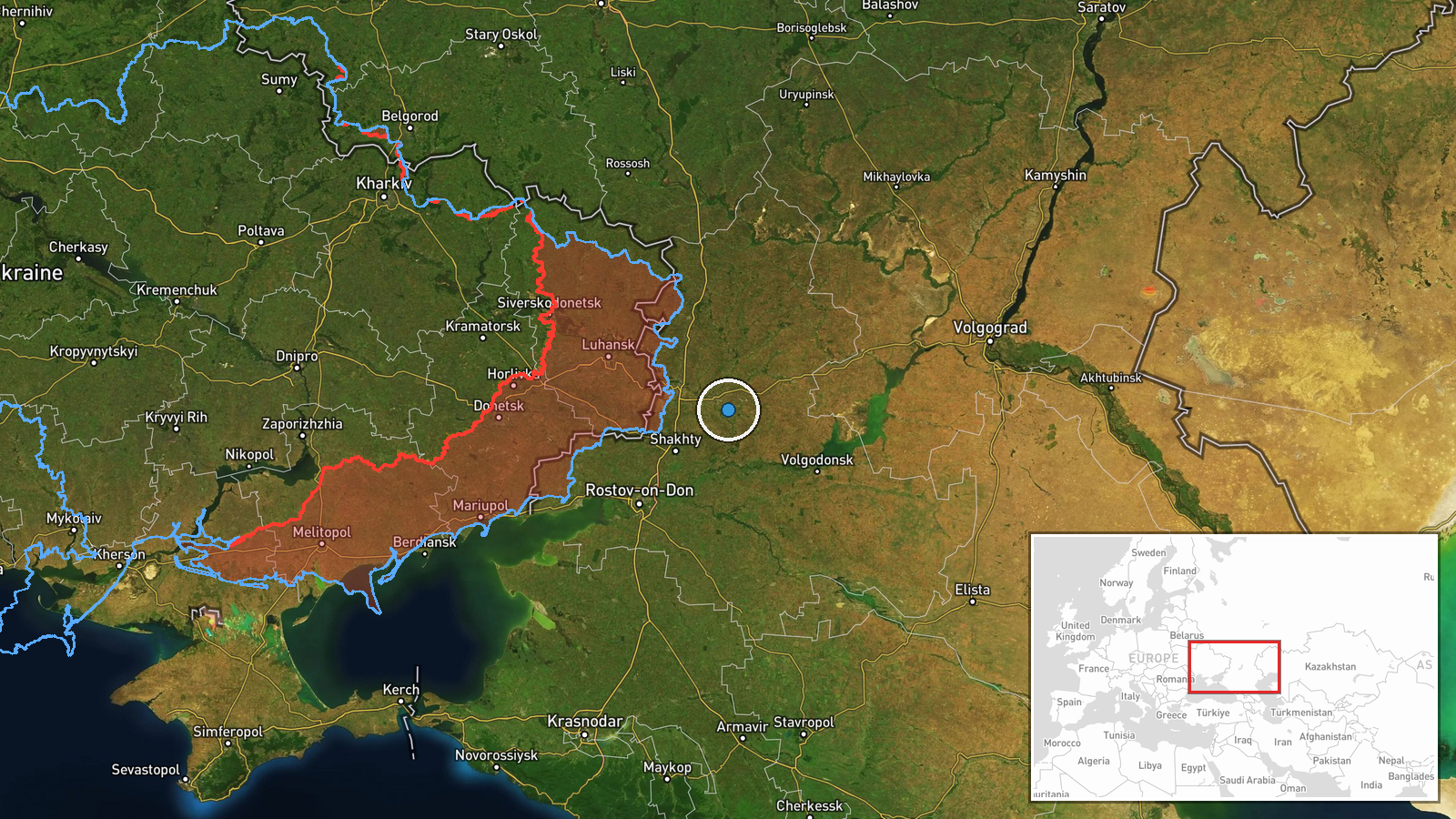
The Yuzhnyy Rus terminal is located in Rostov Oblast in southwestern Russia, approximately at coordinates 48.09°N, 40.93°E. The facility is part of the regional petroleum infrastructure network in the Rostov industrial zone. Precise geographic location is identified at regional level rather than exact facility coordinates, reflecting available reporting specificity.
Related events nearby
- Ukrainian drone strike on Novoshakhtinsk oil loading terminal in Rostov Oblast, Russia. Large fire broke out a2026-10-10 00:41 UTC · UAS Strike · Residential area, Rostov, Rostov Oblast, Russia
▶ View this event on the live map

Intel Mapper aggregates open-source reports from monitored Telegram and X channels, geolocates them, cross-checks duplicates across sources and assigns a confidence score. Entries are updated as new confirmations arrive. Read how we verify events.