Russian Shahed-variant drone tracked transiting over Kyiv Oblast
What happened
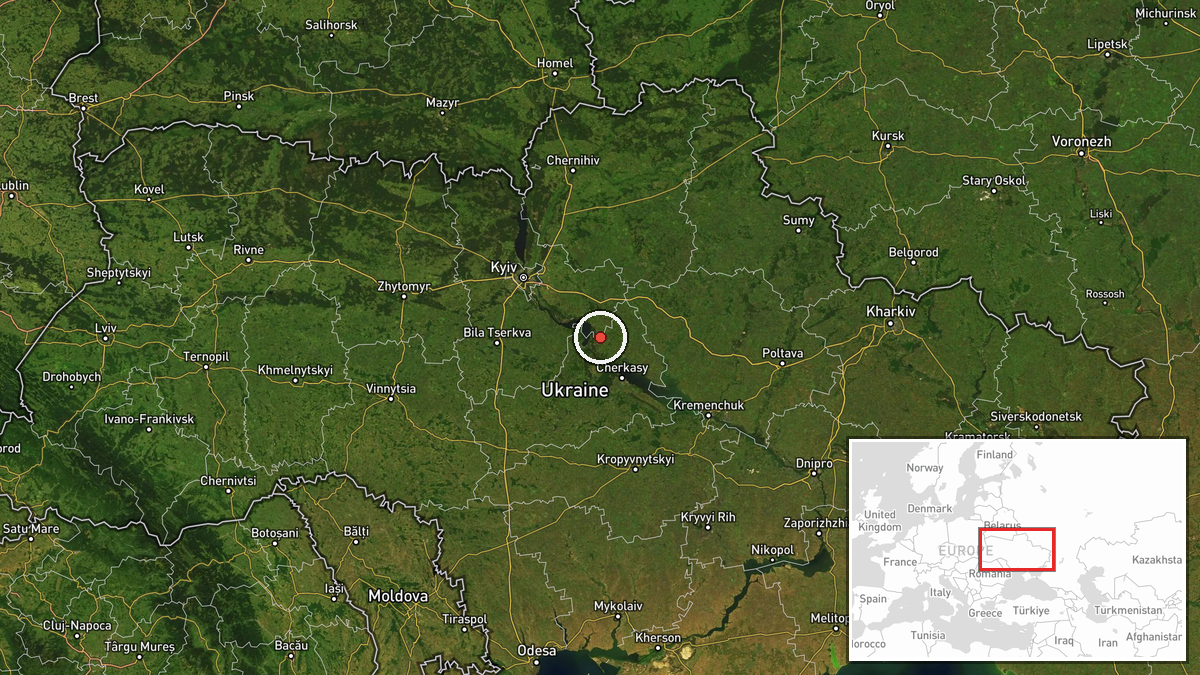
A single reactive jet-propelled drone, reportedly a Shahed-136 variant, was tracked in transit over Bilohirka settlement in Kyiv Oblast on 31 August at 13:03 UTC. The detection was reported by the Telegram channel @war_monitor. The drone was observed moving through the region but no impact or interception was recorded in the available data. This incident occurred during a period of sustained Russian drone operations across Ukraine.
Context and assessment
Bilohirka lies northwest of Kyiv in a region that has faced recurring Russian air activity. This transit detection aligns with the pattern documented in the Ukrainian General Staff's Day 1650 summary, which recorded 11,517 kamikaze drone deployments on 31 August alone. Related detections the same day over Brovary and other Kyiv Oblast locations suggest a coordinated wave of drone transits, possibly probing air defenses or targeting distributed infrastructure. President Zelensky's statement on 30 August noted Ukraine intercepted nearly 1,500 drones over four days, with approximately 800 being jet-powered variants. The continued transit operations may indicate Russian attempts to maintain pressure despite Ukrainian air defense efforts.
Sources and confidence
Reported by Telegram channel @war_monitor, a single source. Cross-confirmation appears limited to the broader pattern of Shahed detections reported by Ukrainian air monitoring on the same date. Confidence score of 6.0 reflects the single-source reporting and lack of independent verification. Confirmation by official Ukrainian air defense channels or multiple independent monitoring accounts would strengthen confidence.
Location
Bilohirka is a settlement in Kyiv Oblast approximately 30 kilometers northwest of central Kyiv, in the Ivankiv district. Located in a rural area between the Dnipro River and forested terrain, it sits along potential drone transit corridors commonly used by Russian air operations targeting the broader Kyiv region.
Related events nearby
- Ukrainian General Staff reports Day 1650 of war: 225 combat clashes recorded. Russia conducted 91 airstrikes (2026-08-31 05:04 UTC · Statement · Ukraine (Nationwide)
- Ukrainian air monitoring confirms continued Russian Shahed-136 reactive jet-powered UAV transit operations ove2026-08-31 06:58 UTC · Drone Transit · Kyiv Oblast, Ukraine
- Two additional reactive jet-powered UAVs (Shahed-136 variants) detected in transit: one from Troieshchyna towa2026-08-31 02:15 UTC · Drone Transit · Brovary, Kyiv Oblast, Ukraine
- President Zelensky reports Ukraine detected nearly 1,500 Russian drones over four days, ~800 jet-powered. Four2026-08-30 15:57 UTC · Statement · Kyiv, Kyiv City, Ukraine
- Ukrainian air monitoring reports significantly fewer Shahed-136 reactive kamikaze drones transiting over Ukrai2026-08-31 05:20 UTC · Drone Transit · Kyiv, Ukraine
▶ View this event on the live map
Intel Mapper aggregates open-source reports from monitored Telegram and X channels, geolocates them, cross-checks duplicates across sources and assigns a confidence score. Entries are updated as new confirmations arrive. Read how we verify events.