Six Russian Shahed-136 drones detected transiting from Dnipro toward Kirovohrad Oblast
What happened
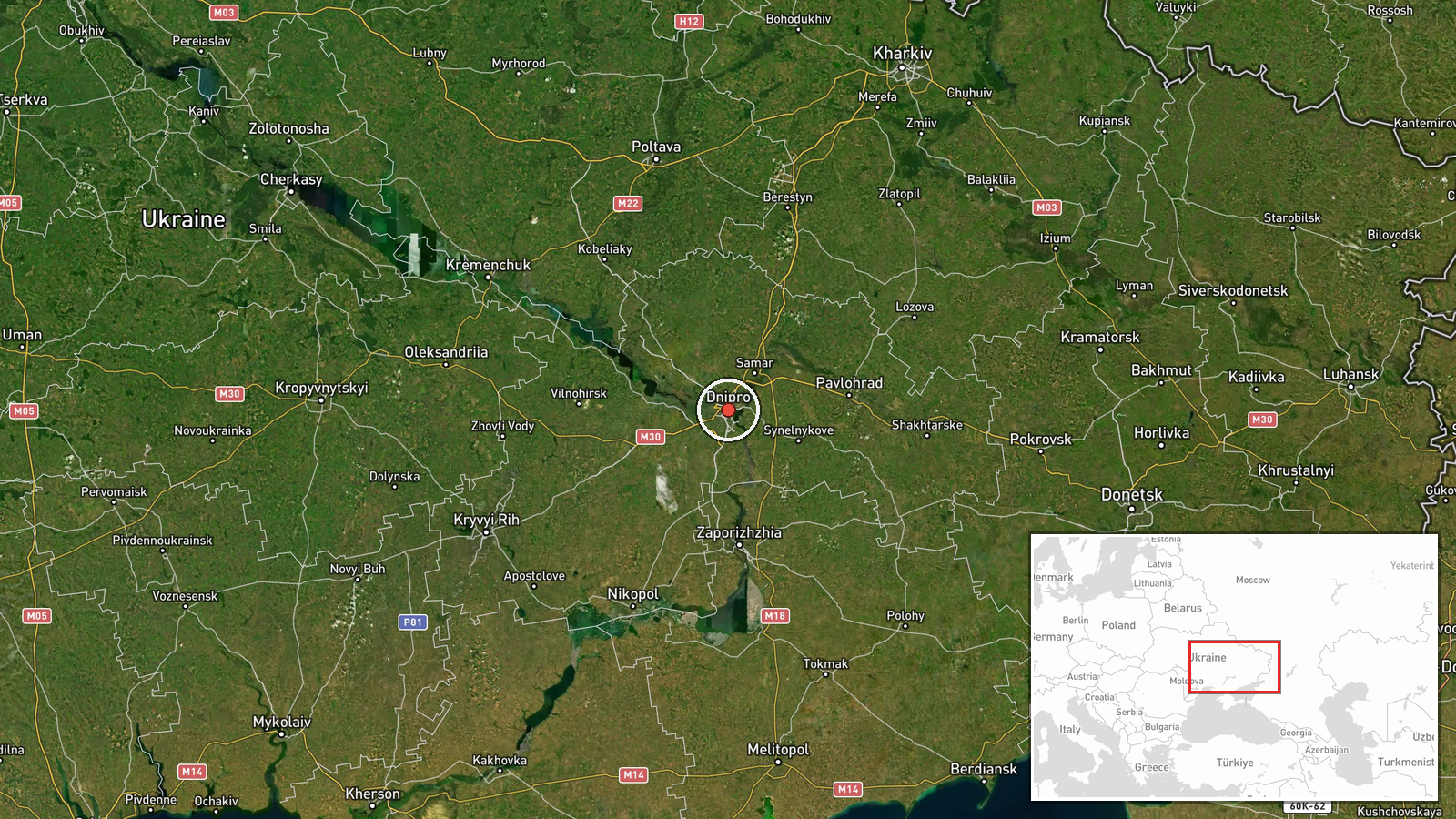
Six Russian Shahed-136 jet-powered kamikaze drones were detected in transit from Dnipro, heading toward Kirovohrad Oblast on September 2 at 14:35 UTC, according to a Telegram channel monitoring military activity. The report indicated that an air raid threat remained active over Dnipro at the time of detection. The drones were tracked in their operational corridor but the intended target or outcome remained unspecified in the available reporting.
Context and assessment
Kirovohrad Oblast lies south-southwest of Dnipro in central Ukraine, a region that has seen sustained Russian drone operations throughout 2026. This transit aligns with a broader pattern of incoming drone activity documented the same day, including three Shahed-136s tracked from Poltava Oblast toward Kyiv Oblast hours earlier. Russian long-range drone strikes have targeted Ukrainian civilian and military infrastructure across multiple oblasts with increasing frequency. The detection of multiple coordinated or sequential drone waves suggests possible synchronized targeting across regional objectives, though specific intentions cannot be confirmed from available reporting.
Sources and confidence
Reported by Telegram channel @war_monitor, a single source with no corroborating confirmation noted. Confidence score of 6.0 reflects the singular sourcing and lack of secondary verification. Confirmation from Ukrainian air defense statements, additional monitoring channels, or damage assessments would substantially raise confidence. Independent verification of drone interception or impact would strengthen assessment reliability.
Location
Dnipro, the second-largest city in Ukraine and capital of Dnipropetrovska Oblast, serves as the reported detection point. The drones originated from or transited through this major urban and industrial center before heading south toward Kirovohrad Oblast, approximately 200 kilometers away. The region is a key logistics and manufacturing hub along the Dnieper River.
Related events nearby
- Three Russian Shahed-136 reactive (jet-powered) kamikaze drones tracked transiting from Poltava Oblast toward 2026-09-02 10:08 UTC · Drone Transit · En route: Poltava Oblast → Kyiv Oblast, Ukraine
▶ View this event on the live map
Intel Mapper aggregates open-source reports from monitored Telegram and X channels, geolocates them, cross-checks duplicates across sources and assigns a confidence score. Entries are updated as new confirmations arrive. Read how we verify events.