Russian drone transits over Chornomorsk port city; no strikes reported
What happened
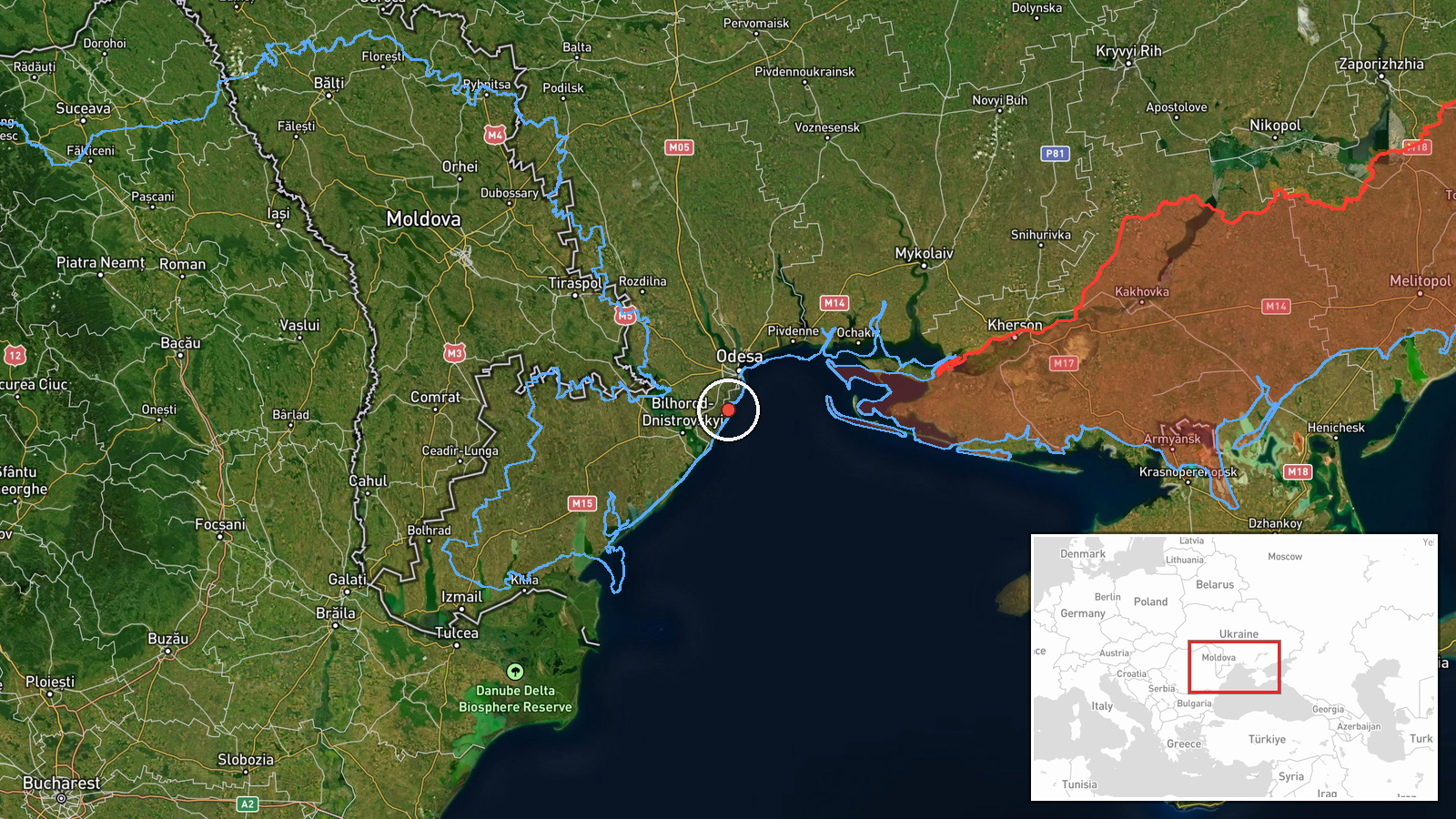
A single Russian conventional unmanned aerial vehicle (UAV) was detected in transit over Chornomorsk, Odesa Oblast on 13 September at approximately 10:41 UTC. No strikes or damage were reported. The sighting was documented by open-source monitoring channels tracking Russian air activity over southern Ukraine. The drone's origin, destination, and whether it was intercepted remain unspecified.
Context and assessment
Chornomorsk is a major port facility on the Black Sea serving Ukraine's grain and cargo exports. The transit follows a pattern of sustained Russian drone operations across Odesa Oblast on 13 September, including eight Shahed-136/Geran-2 drones detected approaching Odesa district earlier that morning and a separate reactive drone spotted over nearby Mykolaiv. On 12 September, Russia claimed to have struck a cargo vessel at Odesa Port. These repeated incursions suggest Russia continues reconnaissance and strike operations targeting the port infrastructure and shipping lanes in the region, though the specific operational intent of individual transit sightings is often unclear.
Sources and confidence
The report originates from a single Telegram channel (@war_monitor) specializing in open-source conflict monitoring. No cross-confirmation from independent sources or official Ukrainian statements is noted in the available data. The confidence score of 6.0 reflects the single-source basis and absence of strike confirmation. Corroboration by additional independent monitors or official air defense statements would increase confidence; clarification of the drone's disposition would lower uncertainty.
Location
Chornomorsk is identified at high confidence as a coastal settlement and port facility in Odesa Oblast, southern Ukraine, approximately 70 km south of Odesa city on the Black Sea coast. The settlement sits on a peninsula adjacent to one of Ukraine's principal maritime cargo terminals, making it a recurring target for Russian reconnaissance and strike operations.
Related events nearby
- Eight Russian Shahed-136/Geran-2 (reactive/jet-powered) drones detected in transit toward Odesa district from 2026-09-13 02:40 UTC · Drone Transit · Odesa, Odesa Oblast, Ukraine
- Russia claims to have struck a cargo vessel carrying Ukrainian military ammunition at the Port of Odesa. Vesse2026-09-12 15:29 UTC · Cargo Ship · Odesa Port, Odesa Oblast, Ukraine
- One Russian reactive (jet-powered) Shahed-136/Geran-2 drone detected in transit over Mykolaiv city, Ukraine. A2026-09-13 06:48 UTC · Drone Transit · Mykolaiv, Mykolaiv Oblast, Ukraine
▶ View this event on the live map
Intel Mapper aggregates open-source reports from monitored Telegram and X channels, geolocates them, cross-checks duplicates across sources and assigns a confidence score. Entries are updated as new confirmations arrive. Read how we verify events.