Russian Shahed-136 drones launched from Oryol and Donetsk toward Ukraine
What happened
A Russian air-monitoring channel reported shift changes at 03:32 UTC on 20 September and noted ongoing launches of jet-powered Shahed-136 drones from Oryol Oblast and Donetsk. The channel indicated that threats would persist along established flight corridors into Ukrainian territory. The report does not specify intended targets or outcomes.
Context and assessment
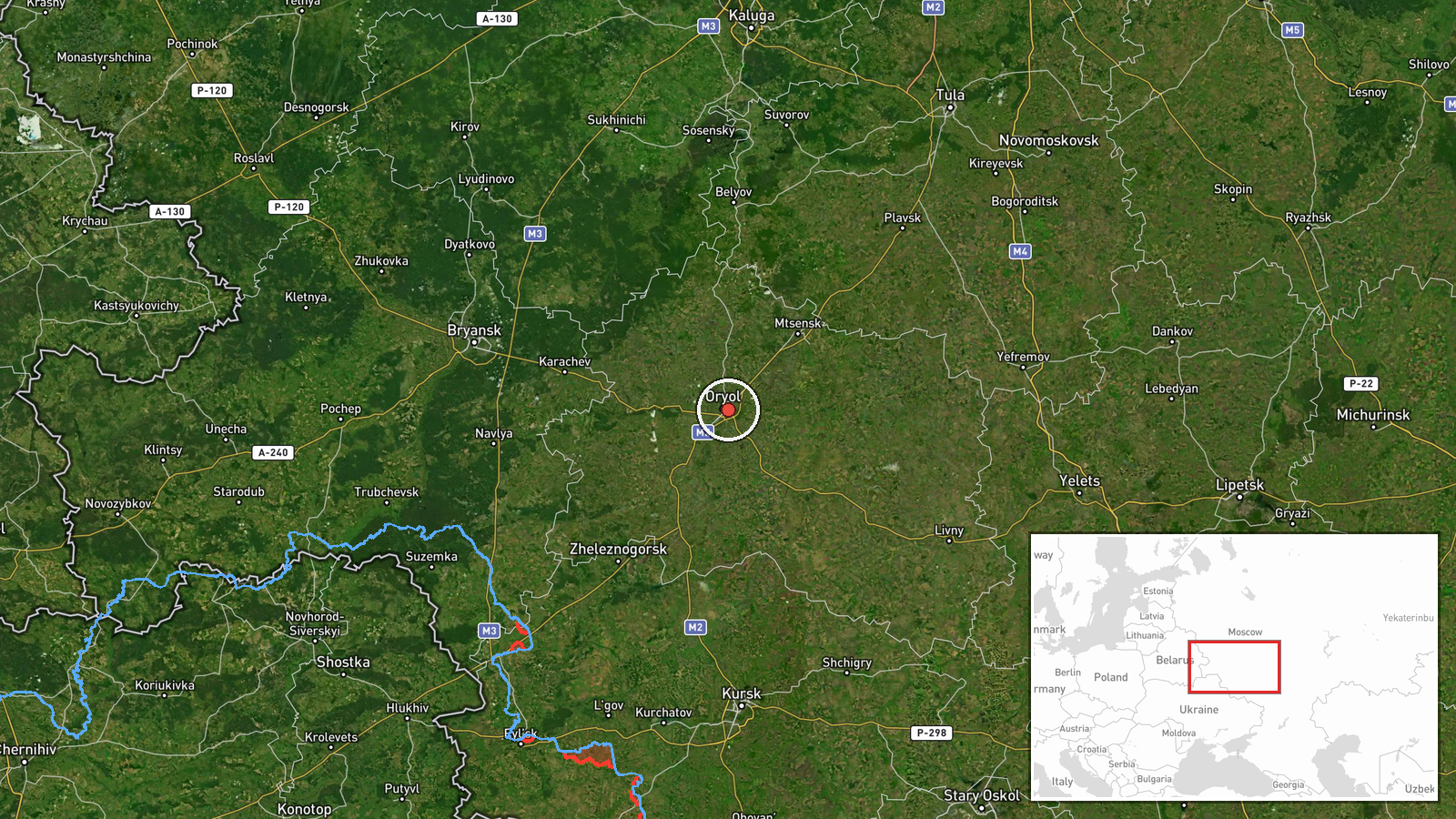
Oryol Oblast, located approximately 300 kilometers north of the Ukrainian border, has emerged as a recurring launch point for Russian Shahed-136 drone operations against Ukraine. This latest activity follows a similar detection on 19 September from the same region, suggesting a sustained pattern rather than isolated strikes. Shahed-136 drones, with a reported range exceeding 2,000 kilometers, allow Russian forces to strike targets across Ukraine while launching from deep within Russian territory. The reference to 'standard routes' indicates predictable flight corridors that Ukrainian air defenses have likely mapped and reinforced. Continued launches from multiple origin points may reflect Russian efforts to distribute launch operations or replenish stocks after attrition.
Sources and confidence
Reported by a single Telegram channel (@war_monitor) specializing in Russian air activity. No cross-confirmation from independent sources or Ukrainian air defense reports is noted. Confidence is moderate (6.0/10) due to single-source reporting and lack of corroborating verification. Confirmation through Ukrainian official channels or multiple independent monitors would strengthen confidence.
Location
Oryol (Oryol Oblast), located in southwestern Russia approximately 360 kilometers south of Moscow. The region sits roughly 280–320 kilometers north of the Ukrainian border near Sumy and Kharkiv oblasts. Donetsk, the secondary launch point, is within Russian-controlled territory in eastern Ukraine. Both locations represent areas from which Shahed-136 drones can reach most of Ukrainian territory.
Related events nearby
- Russian jet-powered Shahed-class kamikaze drone(s) detected launching from Oryol Oblast. Drones in transit; no2026-09-19 16:42 UTC · Drone Transit · Oryol Oblast, Russia
▶ View this event on the live map
Intel Mapper aggregates open-source reports from monitored Telegram and X channels, geolocates them, cross-checks duplicates across sources and assigns a confidence score. Entries are updated as new confirmations arrive. Read how we verify events.