Kyiv airspace clears after Russian Shahed drone transits; air raid alert normalized
What happened
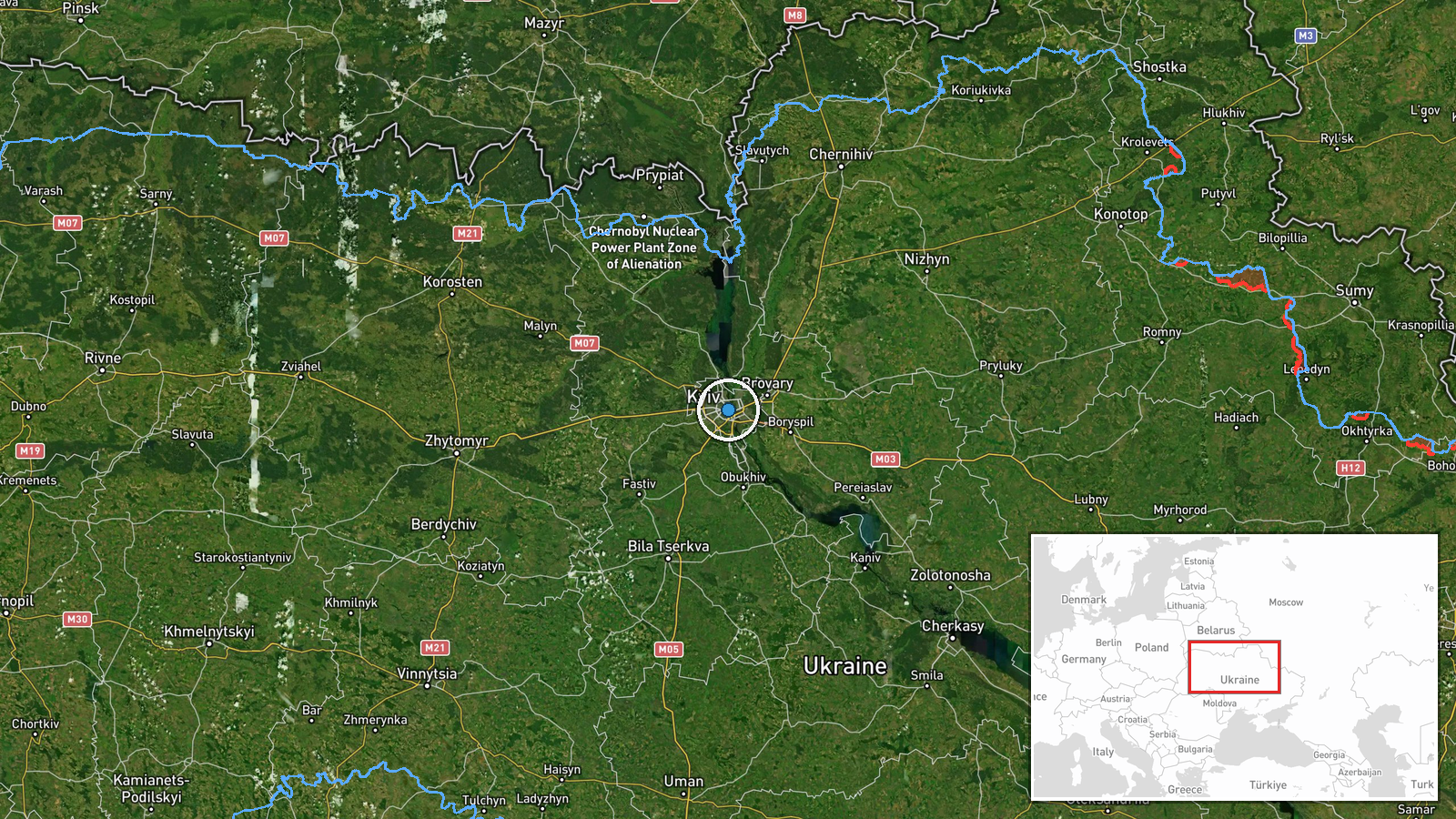
Ukrainian air monitoring reported that airspace over Kyiv and Kyiv Oblast became clear of Russian drone threats on September 27 at 20:34 UTC, with air raid alert status returning to normal following a period of transits by Shahed-variant unmanned aerial vehicles. The report, originating from the Telegram channel @war_monitor, indicates a temporary reduction in immediate aerial threat activity over the capital region after several hours of detected Russian drone operations.
Context and assessment
This all-clear report follows approximately six hours of escalating Russian air activity over Kyiv. Earlier on September 27, Ukrainian monitoring detected multiple reactive Shahed-variant UAVs approaching from the north and south at low altitude, and air defense units engaged targets across the capital. The previous night, Russia conducted a substantial massed attack using Geran-4 and Geran-5 kamikaze drones. The clearing of the airspace suggests either successful Ukrainian interception and dispersal of the drone wave, or a temporary pause in Russian operations. Such fluctuations in aerial threat levels are typical during sustained drone campaigns, though patterns of activity often resume within hours.
Sources and confidence
Single source: Telegram channel @war_monitor. No independent cross-confirmation provided in available data. Confidence score of 6.0 reflects typical reliability of Ukrainian official air monitoring channels but lack of corroborating reports. Confirmation by additional Ukrainian air defense or official sources would strengthen confidence; reports of resumed activity or contradictory threat assessments would lower it.
Location
Kyiv city proper and Kyiv Oblast (region surrounding the capital), determined at settlement-level precision. Kyiv is Ukraine's largest city and primary political/administrative center, located in north-central Ukraine on the Dnieper River, approximately 100 km south of the Belarus border—a primary approach vector for Russian drone operations from the north.
Related events nearby
- Ukrainian air monitoring reports Russia preparing combined missile attack. Shahed-variant drone threats from n2026-09-27 18:57 UTC · Statement · Kyiv, Ukraine
- Three Russian reactive (jet-powered) Shahed-variant UAVs detected transiting toward Kyiv at low altitude (~2.52026-09-27 14:51 UTC · Drone Transit · Kyiv, Ukraine
- Ukrainian fighter jet footage shows successful strike on target. Video documentation of aerial combat operatio2026-09-27 14:11 UTC · Combat Aircraft · Kyiv, Ukraine
- Russia conducted overnight massed attack on Kyiv and surrounding areas using Geran-4 and Geran-5 jet-propelled2026-09-26 23:19 UTC · UAS Strike · Kyiv, Ukraine
- Air raid siren activated in Shuliavka district, Kyiv, indicating incoming Russian drone/missile threat. Part o2026-09-27 00:42 UTC · Siren · Shuliavka District, Kyiv, Ukraine
▶ View this event on the live map
Intel Mapper aggregates open-source reports from monitored Telegram and X channels, geolocates them, cross-checks duplicates across sources and assigns a confidence score. Entries are updated as new confirmations arrive. Read how we verify events.